
Skip to content

University of Wisconsin–Madison

Wisconsin Institute for Discovery LogoWisconsin Institute for Discovery LogoWisconsin Institute for Discovery Logo
  • About
    • Past and Future
    • Leadership
      • John Wiley, emeritus director
    • Antiracism, Justice, Equity, Diversity, and Inclusion (A-JEDI)
    • Frequently Asked Questions
    • Facilities
    • Employment
  • People
    • Admin Team
    • Discovery Fellows
    • Faculty
    • Graduate Students
    • Postdoctoral Fellows
    • Program Staff
    • Researchers/Scientists
  • Research
    • Expertise
      • AI and Health
      • Engineering for Life
      • Systems Optimization
    • Groups
    • RISE – THRIVE
    • Healthy to 100
  • Stories
  • Events
    • WID Seminar Series
    • Crossroads of Ideas
    • Soundwaves
    • SILO
    • Hosted Conferences
  • Hubs
    • Data Science Hub
    • Illuminating Discovery Hub
  • Support
    • WID100
    • John D. Wiley Gallery
  • Search

How Does Virtual Reality Work?
Related Posts

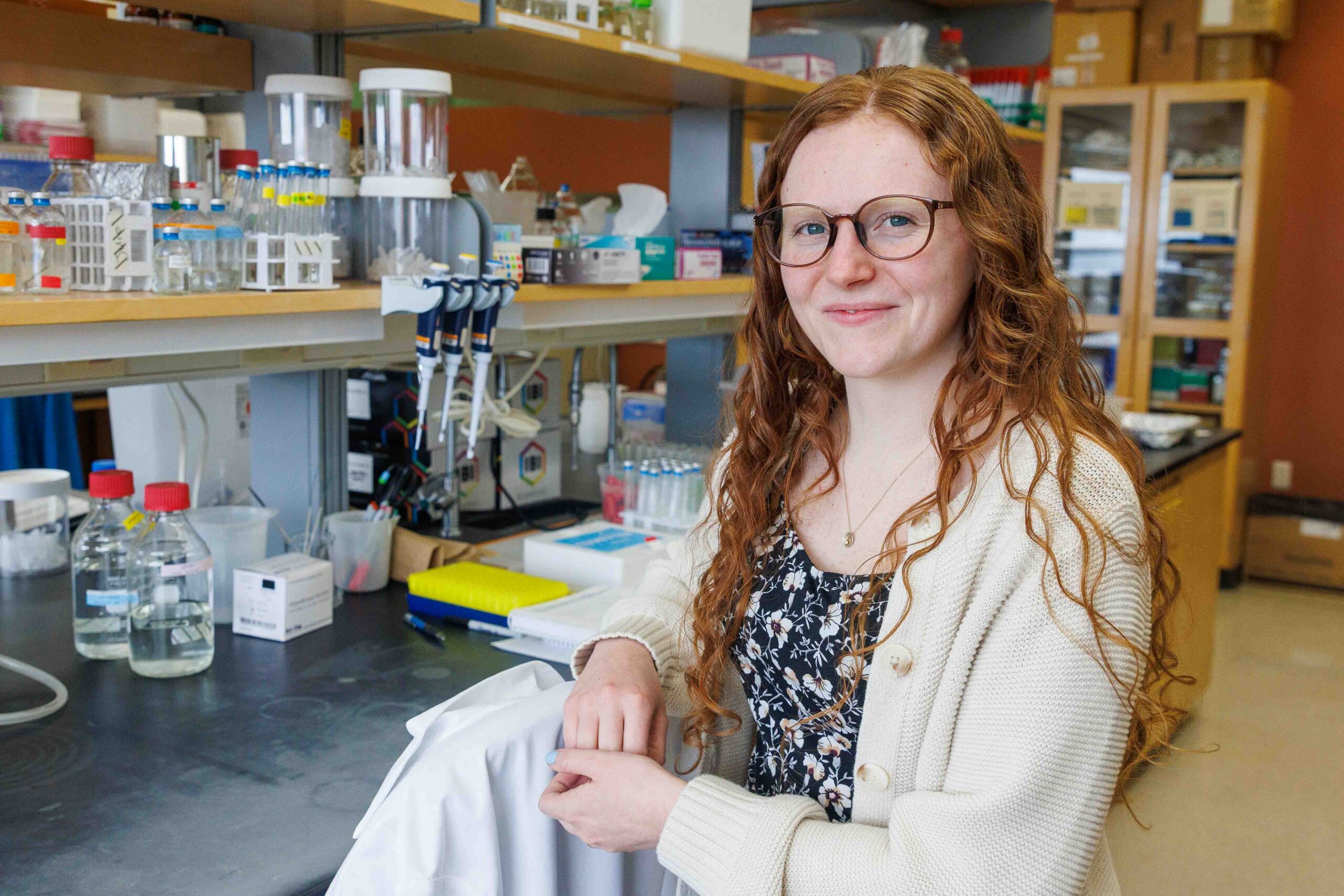
As a UW–Madison graudate student researching ways to improve biofuel production with Zymomonas mobilis, Sydney Bradley uses her interests in the arts to help people better understand science. Photo by: Chris Hubbuch/Great Lakes Bioenergy Research Center
Sparking Curiosity: Sydney Bradley uses art to make science more accessible
Gallery
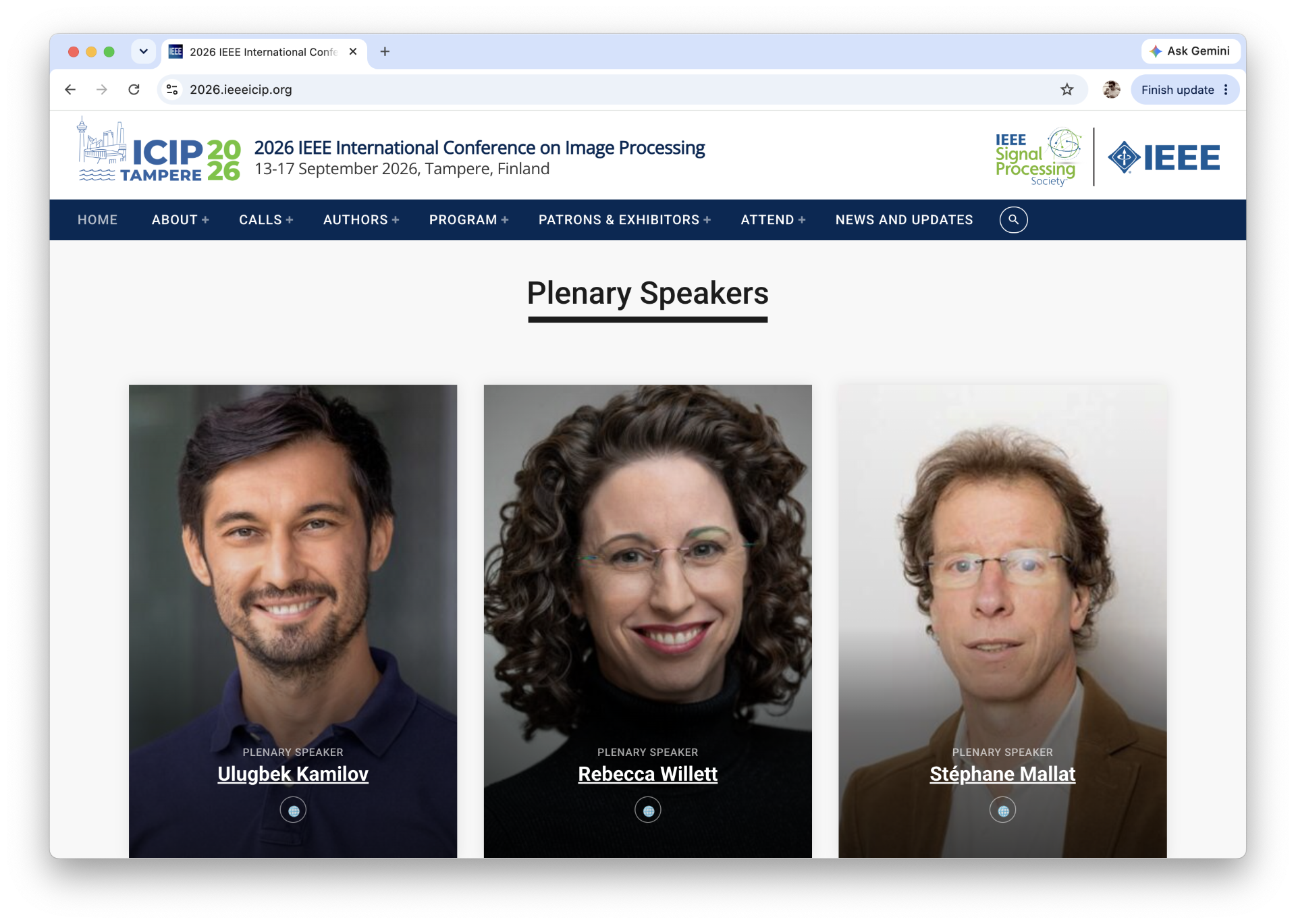
Kamilov Gives Plenary Talk at ICIP 2026
Gallery
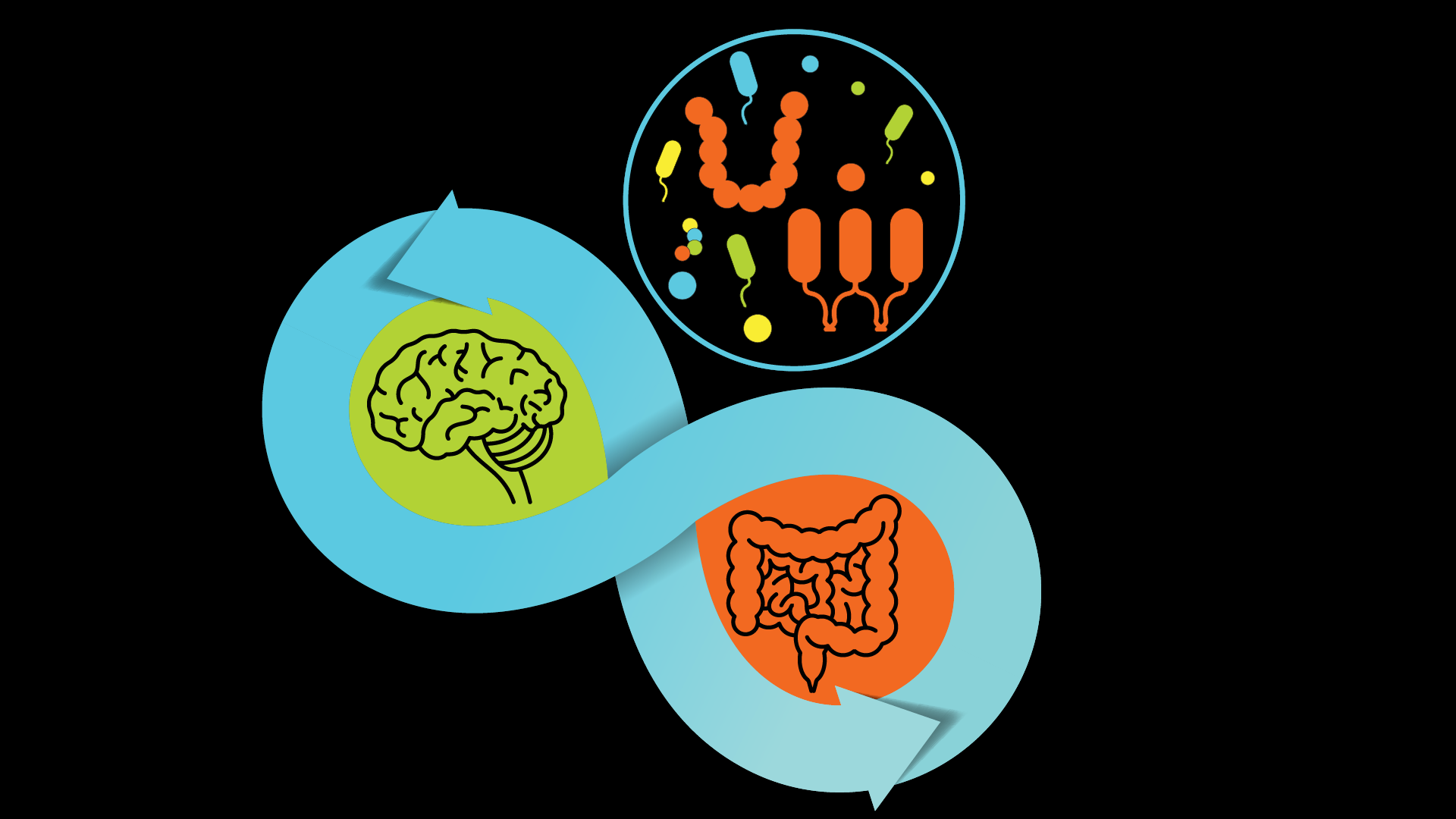
Gut brain axis graphic
Inaugural Microbiome Symposium Showcased Interdisciplinary Work Enabled by Campus Germ-Free Mouse Facility
Gallery

widiscoveryuw Instagram

Gather all your microbiology and immunology friends for a fantastic discussion of parasite life cycles. Tuesday, November 24th at 2pm. DeLuca Forum in the Discovery Building on the UW–Madison campus. Free and open to everyone. Light refreshments served.
We often hear that we should "follow the data." But what does that really mean? Join Dr. Susan Monarez in conversation with UW–Madison statistician Dr. Claudia Solís-Lemus for an engaging discussion about the promises and pitfalls of our increasingly data-driven world. Details at go.wisc.edu/crossroads-of-ideas
Join us TOMORROW for an engaging faculty seminar as Plant Pathology Associate Professor Claudia Solís-Lemus presents 'Evolving Methods for a Tangled Tree of Life' on Tuesday, October 27, at 2 pm. She will be introduced with a lay explanation by WID Writer in Residence Michelle Wildgen, author of Wine People. The event will take place in the Orchard View Room, Discovery Building, UW–Madison Campus, and is free and open to the public.
TONIGHT! Sci-Prov the Show! FREE admission. 7pm in the DeLuca Forum, Discovery Building. More info at https://www.eventbrite.com/e/sci-prov-the-show-tickets-1998216735045
Follow us on Instagram

CONNECT

  • Discovery Building
    330 N. Orchard Street
    Madison, WI  53715

  • 1.608.316.4339

  • webmaster@wid.wisc.edu

  • Space and events rental:
    DiscoveryEvents@discovery.wisc.edu
    608.316.4534

UW–Madison Land Acknowledgement

The Office of Compliance occupies ancestral Ho-Chunk land, a place their nation has called Teejop (day-JOPE) since time immemorial. In an 1832 treaty, the Ho-Chunk were forced to cede this territory. Decades of ethnic cleansing followed when both the federal and state government repeatedly, but unsuccessfully, sought to forcibly remove the Ho-Chunk from Wisconsin.
We acknowledge the circumstances that led to the forced removal of the Ho-Chunk people, and honor their legacy of resistance and resilience. This history of colonization informs our work and vision for a collaborative future. We recognize and respect the inherent sovereignty of the Ho-Chunk Nation and the other 11 Native Nations within the boundaries of the state of Wisconsin.

LAND ACKNOWLEDGEMENT

FOLLOW

  • BlueSky
  • Facebook
  • Instagram
  • LinkedIn
  • Subscribe to Our Newsletter

QUICK LINKS

  • Directory
  • For the Media
  • WIDkipedia
WID compass rose logo

Feedback, questions or accessibility issues: media@wid.wisc.edu
Privacy Notice
 | © 2026 | Board of Regents of the University of Wisconsin System

University of Wisconsin Crest
Page load link
Go to Top