
Stories
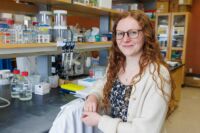
Sparking Curiosity: Sydney Bradley uses art to make science more accessible
Meet Sydney Bradley, a Marie Kohler fellow and graduate researcher in microbiology at the University of Wisconsin–Madison. Hosted by Wisconsin Institute for Discovery, the Kohler Fellowships, seek to bridge science and the humanities by pairing UW–Madison graduate students from diverse disciplines to collaborate on innovative research, public engagement, and creative exploration. Bradley is working with R.J. Maupin, a stained-glass artist and PhD candidate researching the history of American glass production and the public performance of glassblowing across industrial and studio contexts. They aim to create art that “sparks conversations surrounding sustainable energy and highlights the many steps, people, and decisions involved in building sustainable energy systems.” Bradley hopes the fellowship will lead to a museum residency where she can actively engage people in discussions about science. “We want anyone, of any age, to be able to experience the wonders of the research taking place,” Bradley said. “I believe that if science is presented in artistic, colorful, or hands-on ways, people feel less limited by their background knowledge and more willing to engage with unfamiliar ideas.”
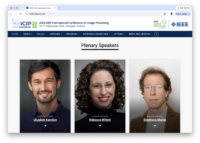
Kamilov Gives Plenary Talk at ICIP 2026
WID Discovery Fellow Ulugbek "Bek" Kamilov was recently a plenary speaker at the 2026 IEEE International Conference on Image Processing (ICIP), held Sept. 13–17 in Tampere, Finland. The conference is one of the largest international gatherings focused on image processing, bringing together about 1,000 researchers and industry professionals. Kamilov, the Leon and Elizabeth Janssen Associate Professor of Electrical and Computer Engineering at UW–Madison, spoke about how advances in generative modeling are changing the way researchers approach computational imaging problems.
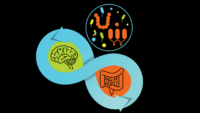
Inaugural Microbiome Symposium Showcased Interdisciplinary Work Enabled by Campus Germ-Free Mouse Facility
UW–Madison’s new Gnotobiotic Shared Resource (GSR) is expanding opportunities for researchers to study the microbiome in germ-free and gnotobiotic mouse models. The centralized facility was established with a $1 million gift from the Wisconsin Alumni Research Foundation (WARF) through the Office of the Vice Chancellor for Research’s Microbiome Initiative. The GSR was recently highlighted at the WID-hosted UW–Madison Microbiome Symposium, where this year’s “Gut-Brain Axis” theme reflected the work of many researchers using the facility to study how the gut microbiome may influence neurological function. “The GSR is an amazing gift to the campus,” says Wisconsin Institute for Discovery director and GSR user Jo Handelsman. “Relatively few campuses have gnotobiotic facilities for general use. Usually they are located in one research group which must coordinate their own training, personnel, and maintenance of colonies. The UW–Madison GSR makes possible new avenues of microbiome investigation for our researchers.”
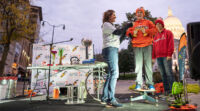
Explore what makes us human at the 16th Annual Wisconsin Science Festival
The 16th annual Wisconsin Science Festival will explore the science of Us — who we are, what it means to be human, and what humans are capable of — all across the state from Oct 15-25. “The Wisconsin Science Festival is a celebration of curiosity in action, inviting people of all ages and from every corner of our state to explore, ask questions and discover something new,” says Samantha Mulrooney, director of the Wisconsin Science Festival at the Wisconsin Institute for Discovery. “It’s also a chance to shine a light on the incredible innovative and creative minds who make Wisconsin such a special place.”
Announcements
24 Hours with WID
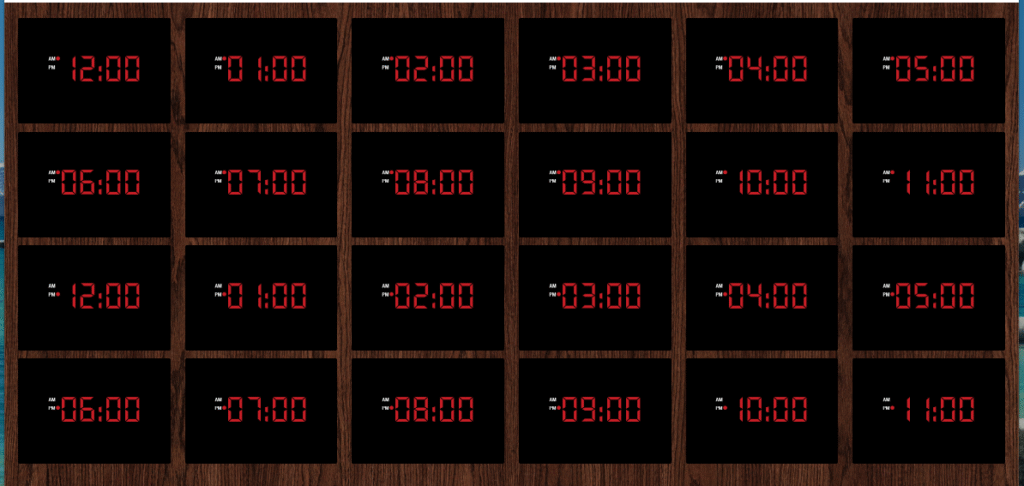 The Wisconsin Institute for Discovery is abuzz 24 hours per day. From “eureka” moments in the middle of the night to methodical pipetting in the middle of the day, to gathering diverse ideas from across the globe in the early evening, something is always happening in our interdisciplinary sphere. Enjoy a sampling of the important work we do in each of these 24 hours and please come back periodically as we refresh with new profiles.
Follow Us
Learn more about the Wisconsin Institute for Discovery through quarterly newsletters and receive our annual report.