
Researchers at UW–Madison Receive Major Grant to Study the Link Between Mental Health and the Microbiome
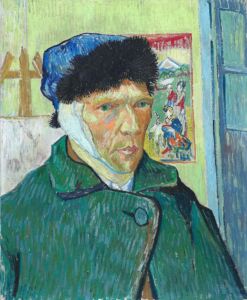
Vincent van Gogh – Self-portrait with bandaged ear (1889, Courtauld Institute)
Long before science caught up, Vincent Van Gogh sensed a connection between melancholy and microbes. In a letter dated April 30, 1889, he described his mysterious bouts of anxiety and exhaustion: “At times I have fits of anxiety without cause, or a feeling of emptiness and fatigue in the head. I sometimes think that such melancholy and remorse might be caused by microbes.” At the time, the term microbe was barely a decade old.
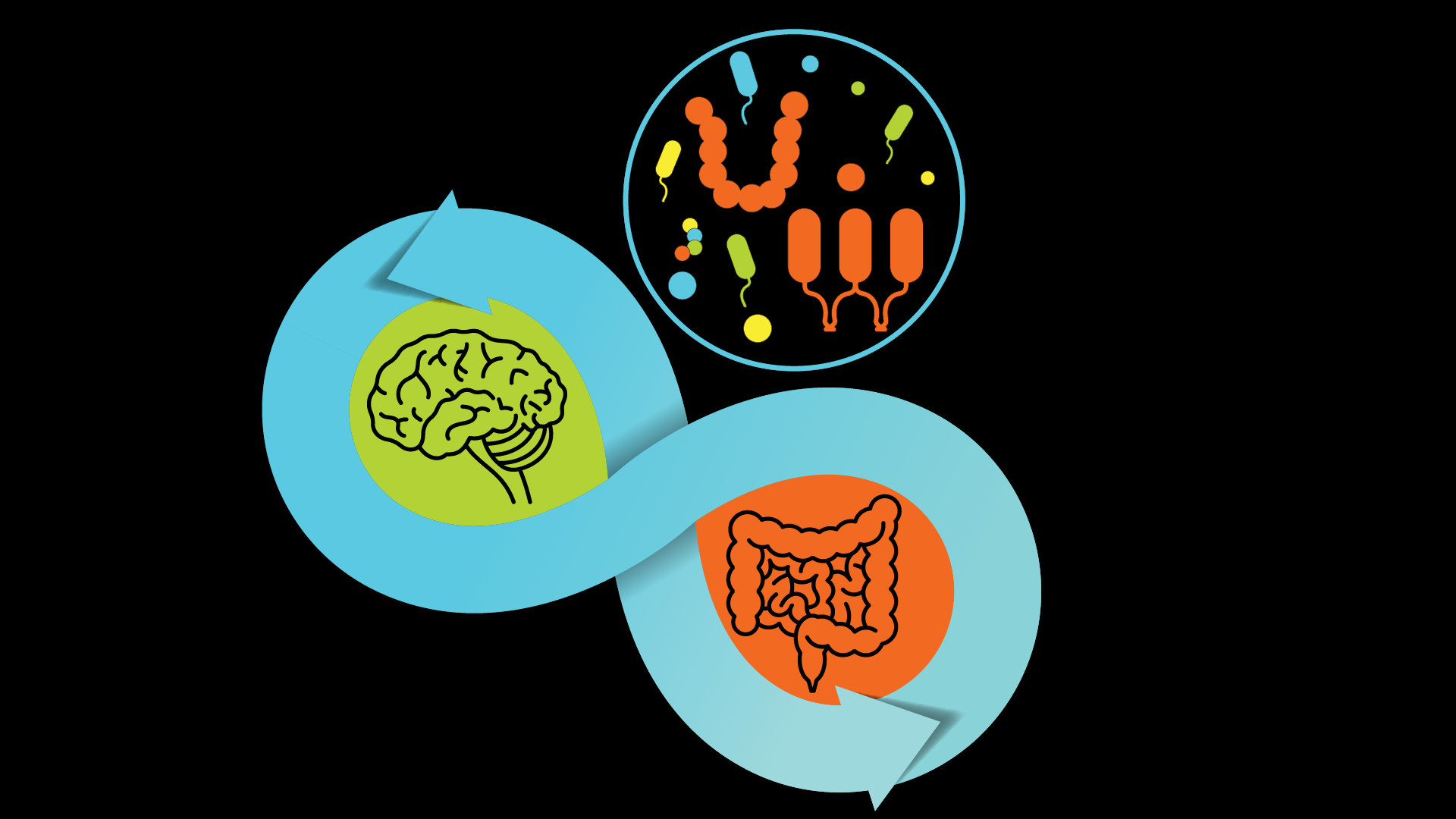
Now, 135 years later, an initiative led by researchers at the Wisconsin Institute for Discovery (WID) and the Center for Healthy Minds, both at UW–Madison, in collaboration with researchers in Singapore, will investigate the relationship between the gut microbiome and depression. What Van Gogh imagined in isolation is now the subject of global scientific inquiry. The Lucida Project seeks to understand how gut microbial communities interact with their human hosts to influence mental health, particularly depression, one of the leading causes of disability worldwide.
Depression affects approximately 18% of adults in the United States. In Singapore, about 1 in 7 adults live with a mental disorder — including depression — according to national survey data. Characterized by persistent low mood, negative ideation, and social withdrawal, depression is linked to a range of health issues including cardiovascular disease, cognitive decline, and reduced quality of life and productivity. Although treatments such as medication and psychotherapy exist, response rates remain low and adherence is often poor. In low- and middle-income countries, more than 75% of individuals with mental health disorders receive no treatment at all. Improving prevention and treatment strategies is a global health priority.

The Lucida Project
Previous research suggests that the gut microbiome may play a key role in mental health. The new study will build on these findings by analyzing biological samples to assess gut microbial composition and the sequence of participants’ genomes. Researchers will recruit 6,000 Singapore participants of Chinese, Indian, and Malay descent, along with a U.S. cohort of 1,500 individuals. Samples will be analyzed at both sites using advanced statistical methods, including artificial intelligence, to identify associations between depression and microbial or genetic biomarkers.
Wisconsin scientists will further investigate how meditation influences the microbiome. The study builds on findings from the BeWell Study from the Center for Healthy Minds and their partner non-profit Healthy Minds Innovations, which examined the effects of meditation with Healthy Minds Innovation’s popular Healthy Minds Program app on mental health and biological and behavioral features. The new study will expand this work by integrating a broader range of information, including human genome sequences, digital measurements from wearable devices, and more extensive health and diet information. Samples will also be collected for future analyses of metabolomes and oral microbiomes.
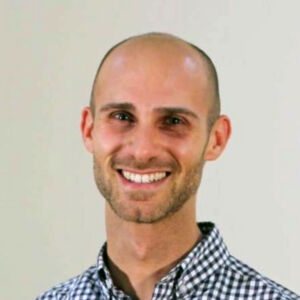
Simon Goldberg, PhD
“This is a very exciting opportunity,” says Simon Goldberg, associate professor in the Department of Counseling Psychology and core faculty at the Center for Healthy Minds at UW–Madison. “We recently conducted a study that forms the foundation for this study. It tested the effect of digital meditation training on depression using biological and behavioral measures. The new study will delve more deeply into the precise biological and lifestyle features that modify people’s responses to meditation. This is an amazing opportunity to conduct what we believe will be one of the most detailed studies of the biological responses to meditation that’s ever been done.”
The collaboration between Wisconsin and Singapore offers a rare opportunity to study mental health across diverse cultural and genetic backgrounds. By including participants from major global populations, researchers aim to identify both shared and population-specific links between the microbiome and mental health. The project reflects a growing recognition of the microbiome’s central role in human well-being and the power of interdisciplinary research. Combining genomics, data science, behavioral health, and international collaboration, the research project is advancing a global understanding of how microbes shape the mind.

Jo Handelsman, WID Director
Vilas Research Professor and Howard Hughes Medical Institute Professor
“The interdisciplinary nature of the group is what makes this project so exciting,” says Jo Handelsman, WID director and principal investigator of the Wisconsin team. “We have Earlise Ward, who brings expertise in both clinical psychology and family medicine; Simon Goldberg, whose work bridges clinical practice and educational research; Richard Davidson, who is a world expert on the neurobiology of meditation; Mark Craven, professor of biostatistics and medical informatics and an expert in machine learning; John Denu, a biochemist and expert in epigenetics; Kris Sankaran, and expert in statistical analysis of microbiome data; and engineer Rosalind Picard, director of Affective Computing Research at MIT. The Singapore group is led by Professor John Chambers, chief scientific officer of PRECISE; and Dr. Seow Shih Wee, senior director of corporate services at PRECISE. It’s a rare and amazing opportunity to bring together such a diverse range of perspectives.”
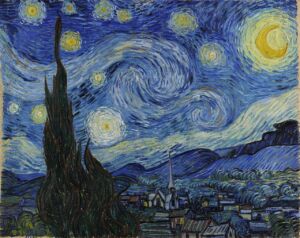
Van Gogh – Starry Night, June 1889
Around the same time that he posed the link between depression and microbes, Van Gogh painted Starry Night, which evokes the interplay of light and shadow the artist saw from his asylum window. Now, researchers are viewing light and darkness through the lens of genomic data and microbial analysis. They hope to illuminate the biological roots of depression, demystify what once felt unknowable, and unite modern smart-phone technology with an ancient practice, meditation, to bring us closer to effective, personalized approaches to treating depression.
–Laura Red Eagle