
Mel Hammond Uses Science to Shape Her Stories
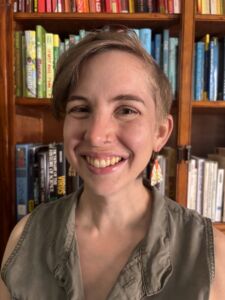
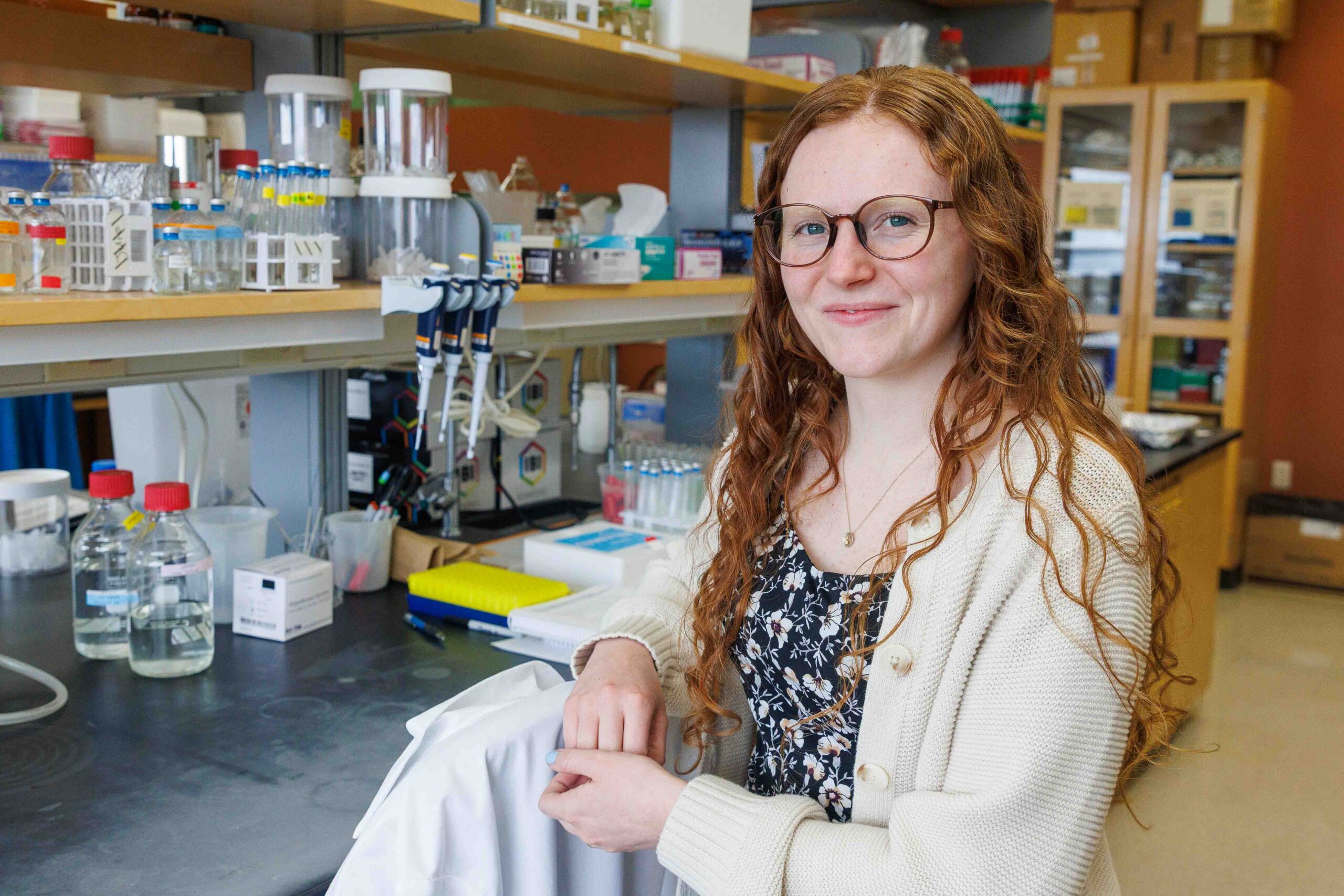
Photo by author
In fourth grade, Mel Hammond mixed water and corn starch together to make oobleck. It was her first science experiment and the experience kickstarted a lifelong interest in science for the 2026 Wisconsin Institute for Discovery (WID) writer in residence. The residency reflects WID’s recognition of the role of the arts in helping people understand the vibrancy, complexity and human impact of science.
Hailing from Ohio, Hammond settled in Madison in 2014. She found employment as a book editor at the headquarters for local doll retailer American Girl and began writing books for children and young adults, including a nonfiction book about climate change called Love the Earth, in which she interviewed scientists to make sure she was up to date on the latest research. Translating scientific facts into easy-to-understand language for kids sparked a passion for inspiring kids to explore the unknown. It also cemented her own interest in using science as an important element in her writing.
Hammond has also written children’s nonfiction for Rebel Girls, Lerner, American Girl, and Benchmark Education. In 2024, her debut young adult novel, Lucy, Uncensored, told a story about belonging. Where the Girls Are Kept, her novel due out in summer of 2027, is a YA retelling of Rosemary’s Baby. “Many people are surprised that I write in that genre,” she says, “because my vibe is more sunshine and rainbows, but for me, horror is a genre for processing the real-life social and political horror that unfolds around us every day.”
Additionally, she teaches workshops at the Arts + Literature Lab in Madison and co-organizes Mad City Story Slam, a monthly live storytelling event. She brings creative energy and a deep commitment to community, making her residency at the Wisconsin Institute for Discovery a natural fit.
WID is home to researchers working across a wide range of fields, from gene editing and color reasoning to the tree of life. For Hammond, that means the chance to connect with scientists across disciplines and explore how science shapes the stories we tell.
“Besides the science itself, I want to explore the existential threats that scientists in this country currently face, such as a loss of government grant funding,” says Hammond.
During her residency, Hammond will meet with WID researchers, attend talks and explore how scientific discovery can inform her next book for young readers.
You can keep up with Hammond’s work at melhammondbooks.com or on Instagram @hamsandwichmel.