
Stories
Deciphering the Regulatory Network of a Pathogenic Fungus
In a new study, researchers from the Wisconsin Institute for Discovery (WID) have created a software tool that can help reveal biological pathways of a notorious pathogenic fungus. Aspergillus fumigatus, which is found worldwide, can infiltrate a human body and quickly overwhelm the immune system. In immunocompromised individuals, this fungus can cause major damage and has a high mortality rate. The new tool may eventually help researchers address the problems caused by A. fumigatus.
Researchers at UW–Madison Receive Major Grant to Study the Link Between Mental Health and the Microbiome
Long before science caught up, Vincent Van Gogh sensed a connection between melancholy and microbes. Now, 135 years later, the Wisconsin Institute for Discovery, the Center for Healthy Minds, PRECISE, and MIT have launched a project that investigates the microbiome’s central role in human well-being and the power of interdisciplinary research. Combining genomics, data science, behavioral health, and international collaboration, the research project is advancing a global understanding of how microbes shape the mind.
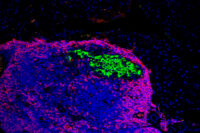
How disabling one gene protects mice against Type 1 diabetes
In collaboration with the Feyza Lab, Khagani Eynullazada, a grad student from Sushmita Roy’s lab identified gene regulatory networks capturing shared and perturbation-specific stress pathways in Type 1 diabetes using GRN inference tools on scRNA-seq data from in vivo mouse models.
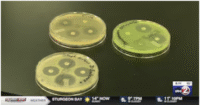
Tiny Earth Combating Antibiotic Resistance Featured on NBC15 Madison
Students at Northeast Wisconsin Technical Collage (NWTC) are looking for ways to fight antibiotic resistant bacteria as part of an eight-year project with Tiny Earth, a worldwide initiative headquartered at the Wisconsin Institute for Discovery.
Announcements
24 Hours with WID
 The Wisconsin Institute for Discovery is abuzz 24 hours per day. From “eureka” moments in the middle of the night to methodical pipetting in the middle of the day, to gathering diverse ideas from across the globe in the early evening, something is always happening in our interdisciplinary sphere. Enjoy a sampling of the important work we do in each of these 24 hours and please come back periodically as we refresh with new profiles.
Follow Us
Learn more about the Wisconsin Institute for Discovery through quarterly newsletters and receive our annual report.