
Handelsman Among Brava Magazine’s “STEM Superstars”
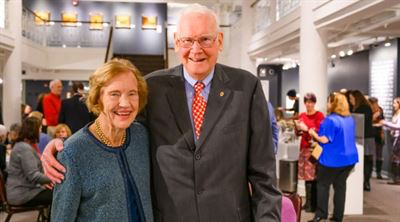
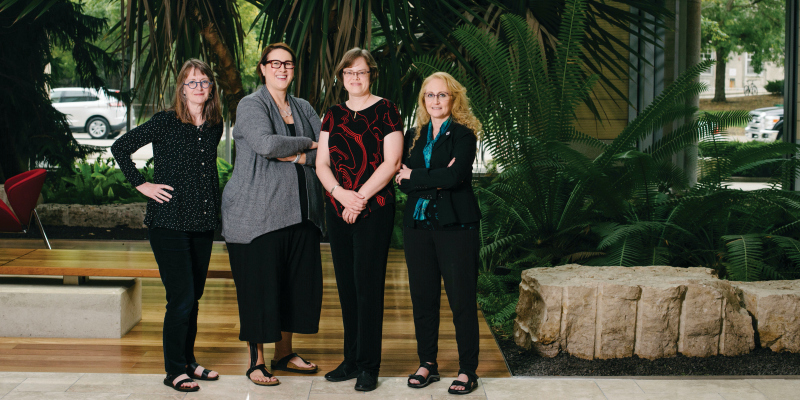
archive_admin2024-11-14T22:03:51-06:00WID director Jo Handelsman was among four women profiled by Brava Magazine as STEM Superstars at UW–Madison.

WID director Jo Handelsman was among four women profiled by Brava Magazine as STEM Superstars at UW–Madison.
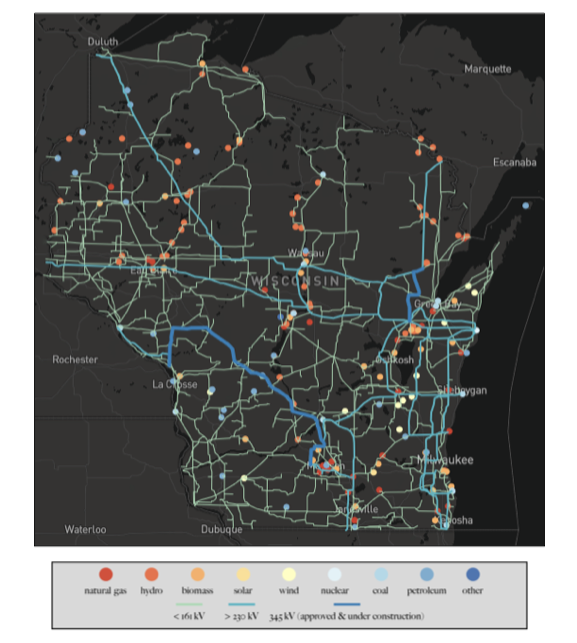
A new data science project, "WEREWOLF", puts powerful modeling tools into the hands of Wisconsin policymakers to create the energy systems of tomorrow.
The National Science Policy Symposium will take place at the Discovery Building and in Union South at the University of Wisconsin–Madison on Friday and Saturday, November 1 and 2.
Claudia Solís-Lemus and Daniel Pimentel-Alarcón are experts in statistics and machine learning, augmenting WID's data science expertise.
Researchers at the Wisconsin Institute for Discovery are co-Principal Investigators and co-Investigators on four UW2020: WARF Discovery Initiative projects.
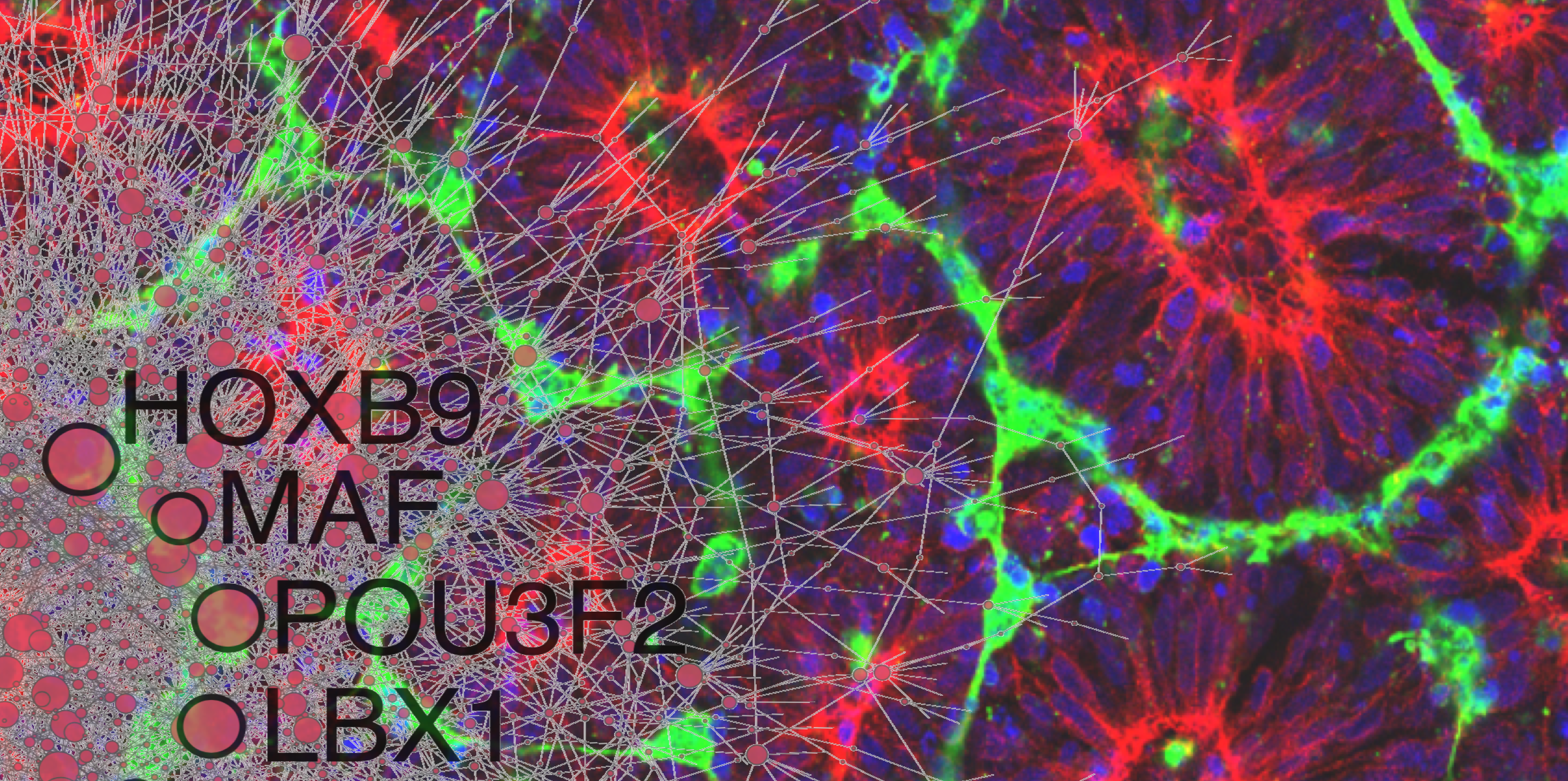
WID researchers used a collaborative combination of computational and wet lab experimental techniques to find a connection between a transcription factor and a neurodevelopment gene.
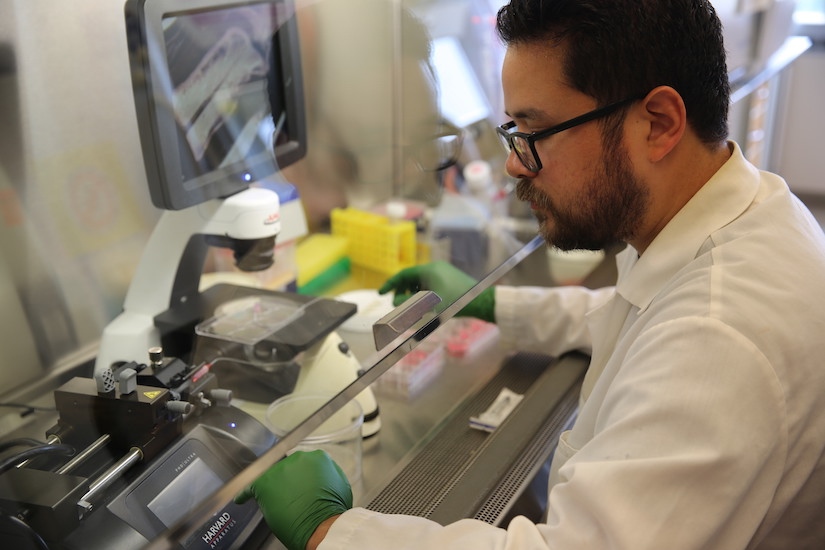
WID researchers Randolph Ashton and Tom Turng partnered on a project to create hydrogel molds that will allow them to more precisely control the three-dimensional structures of organoids.
WID Director Jo Handelsman and biochemistry professor Ophelia Venturelli are part of a multi-university interdisciplinary team awarded a grant to study information transmission in microbial communities and how biological networks communicate.
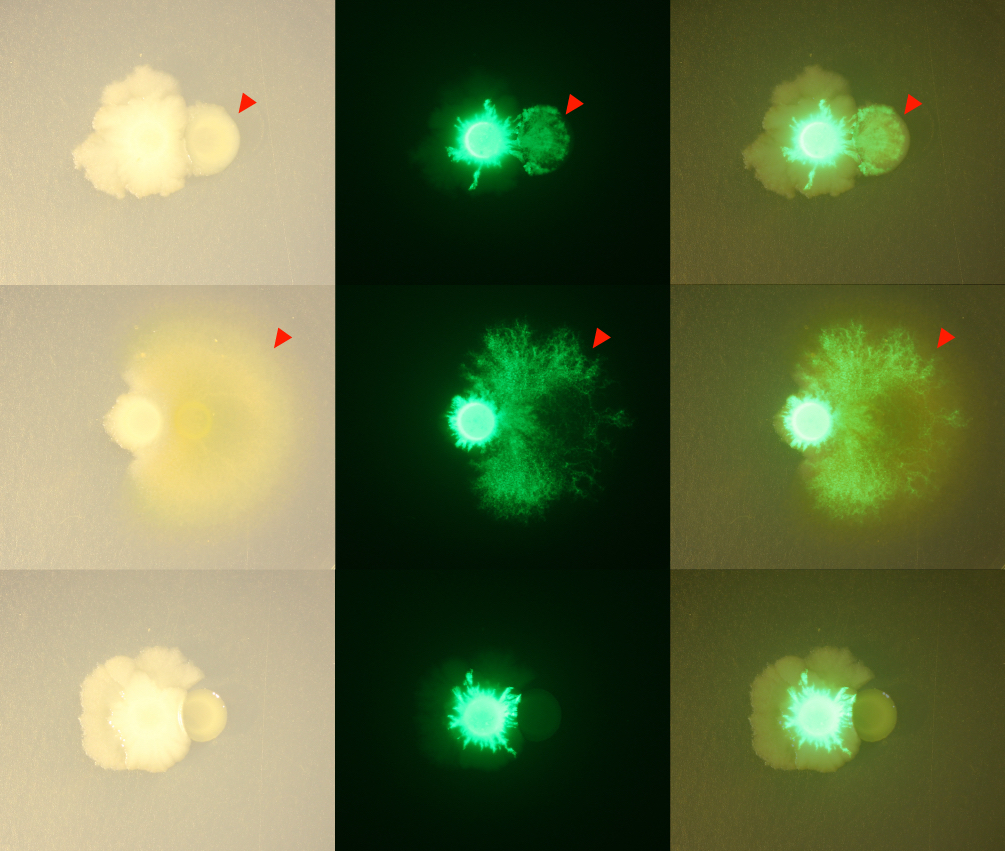
A growing understanding of microbial communities and their influence on human health or crop productivity has led to the dream of changing these communities to produce benefits. New research at WID addresses this head-on.
Gift of $2.1 million from Dr. Monroe and Sandra Trout creates partnership among Wisconsin Institute for Discovery, Morgridge Institute for Research, UW-Madison School of Education, and Wisconsin Public Television
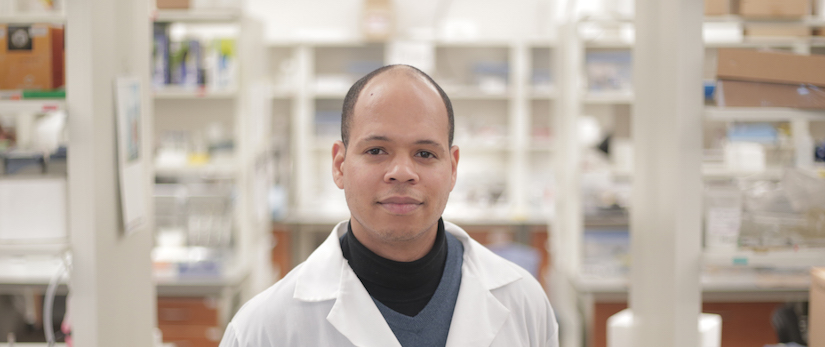
WID's Randolph Ashton, assistant professor of biomedical engineering, is the new associate director for UW–Madison’s Stem Cell and Regenerative Medicine Center.
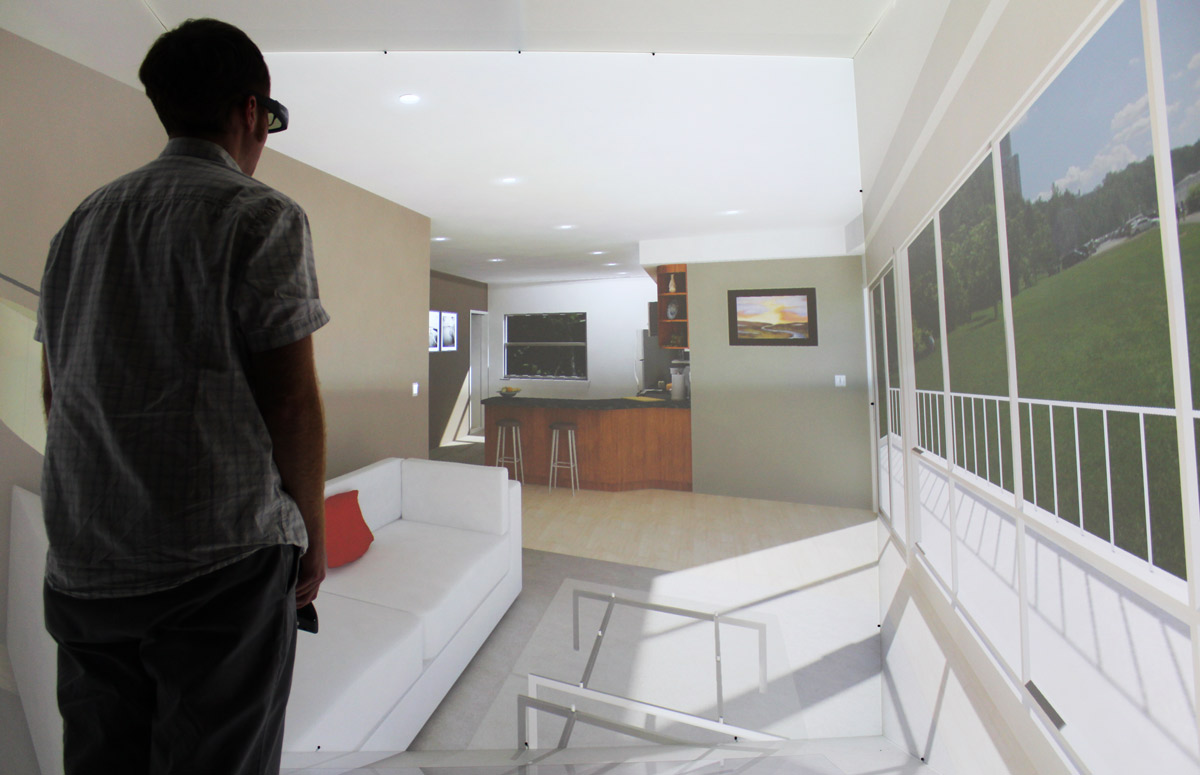
For WID's Kevin Ponto, virtual reality is more than a way of playing video games or simulating roller coaster rides. He thinks VR can be a tool for solving real-world problems.
UW researchers led by WID's Kris Saha join the National Institutes of Health’s Somatic Cell Genome Editing Consortium with a major collaborative award.
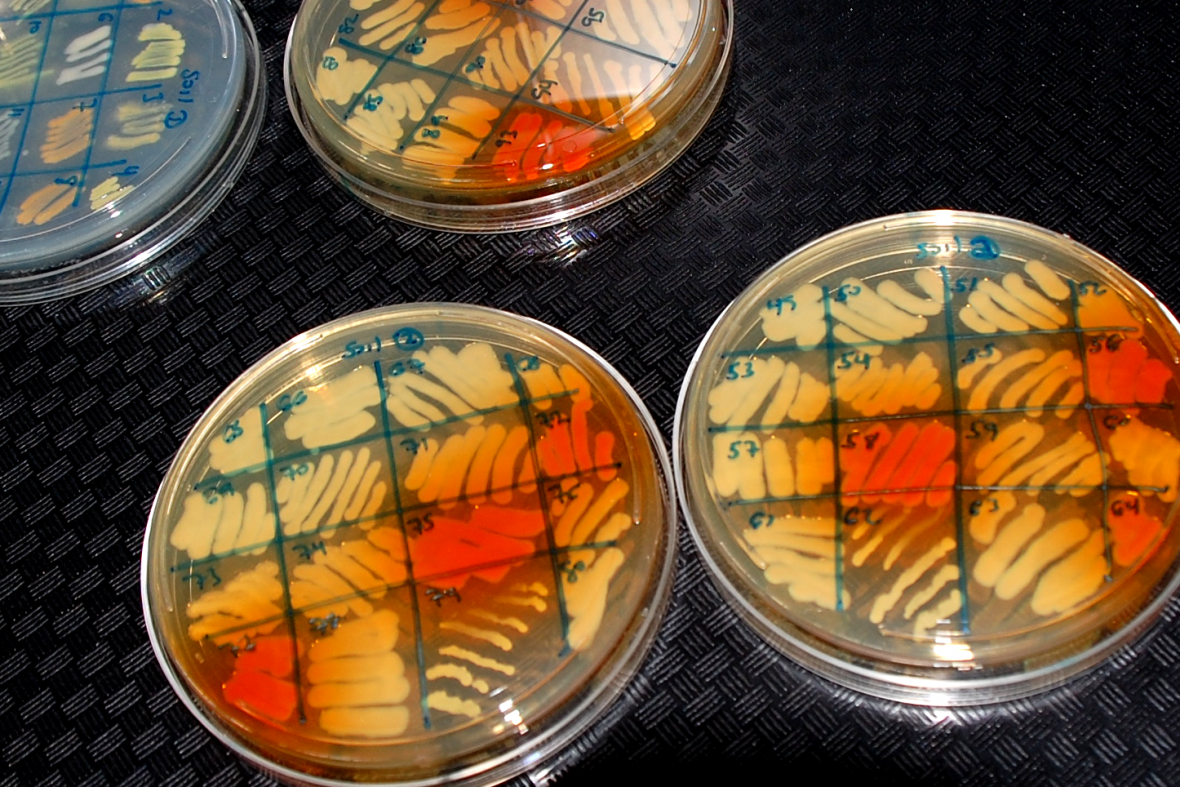
From On Wisconsin Magazine: UW-Madison students are joining the hunt for new antibiotics in their introductory biology coursework and becoming part of the Tiny Earth network, based at the Wisconsin Institute for Discovery.
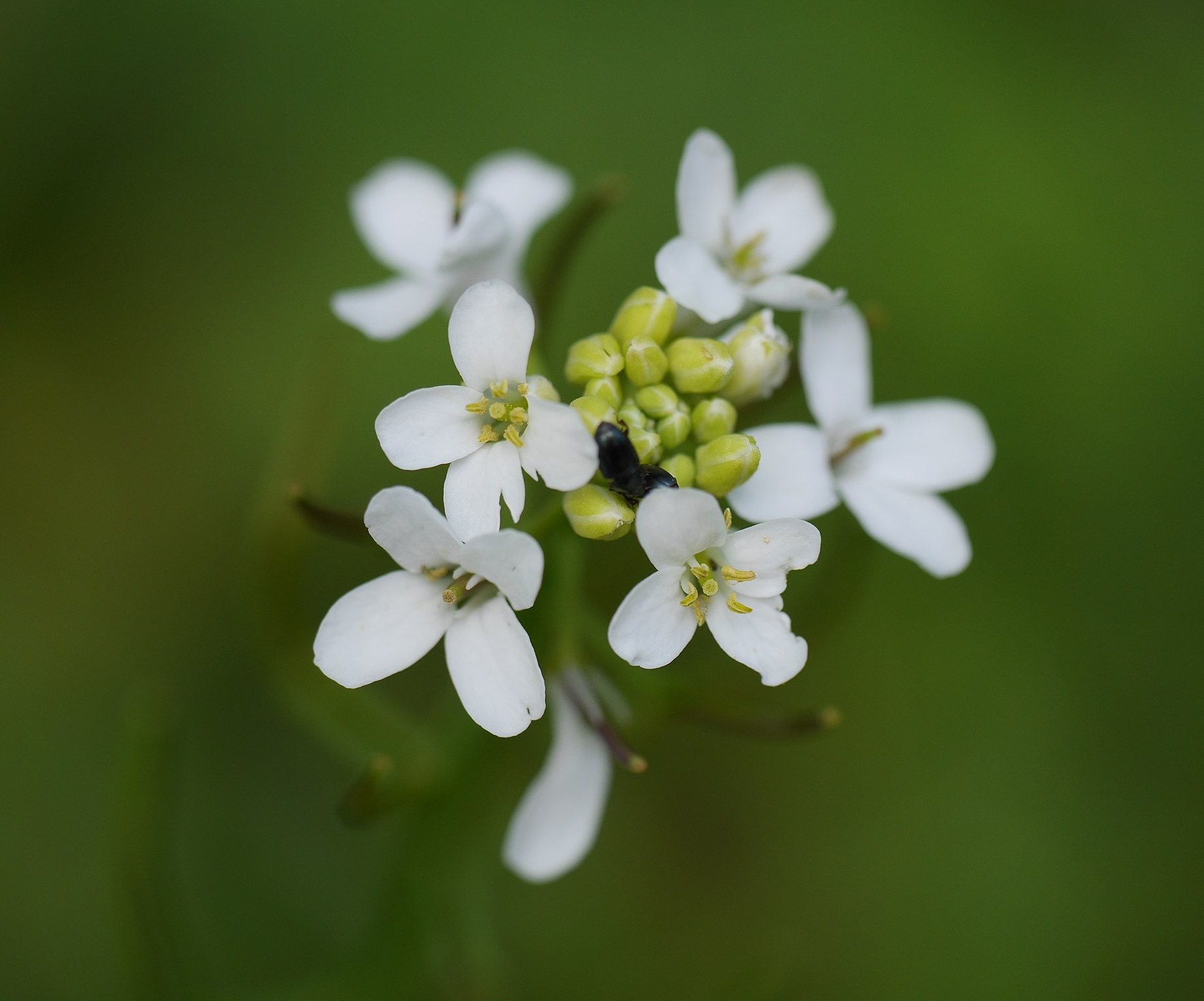
With Wisconsin's short growing seasons, reducing a plant’s life cycle and completing the season earlier "could be very important for many crops.”
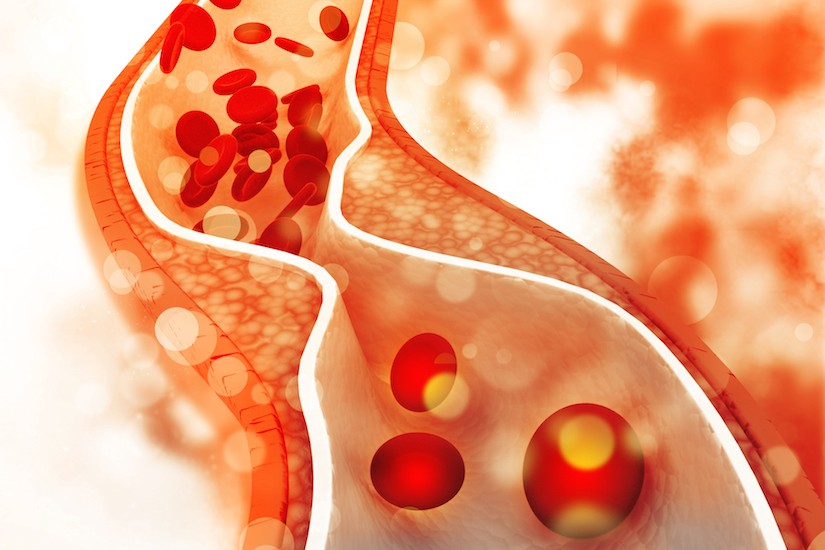
A team of researchers is developing a new approach for maintaining open blood vessels in the wake of surgeries such as angioplasties or bypasses.
A new paper in Microbiology and Molecular Biology Reviews describes how the steps of virus reproduction contribute to timing and productivity of cell infection.
The scholarship recognizes promising undergraduates who plan to pursue a PhD or MD/PhD followed by a research career in engineering, mathematics, or the natural sciences.
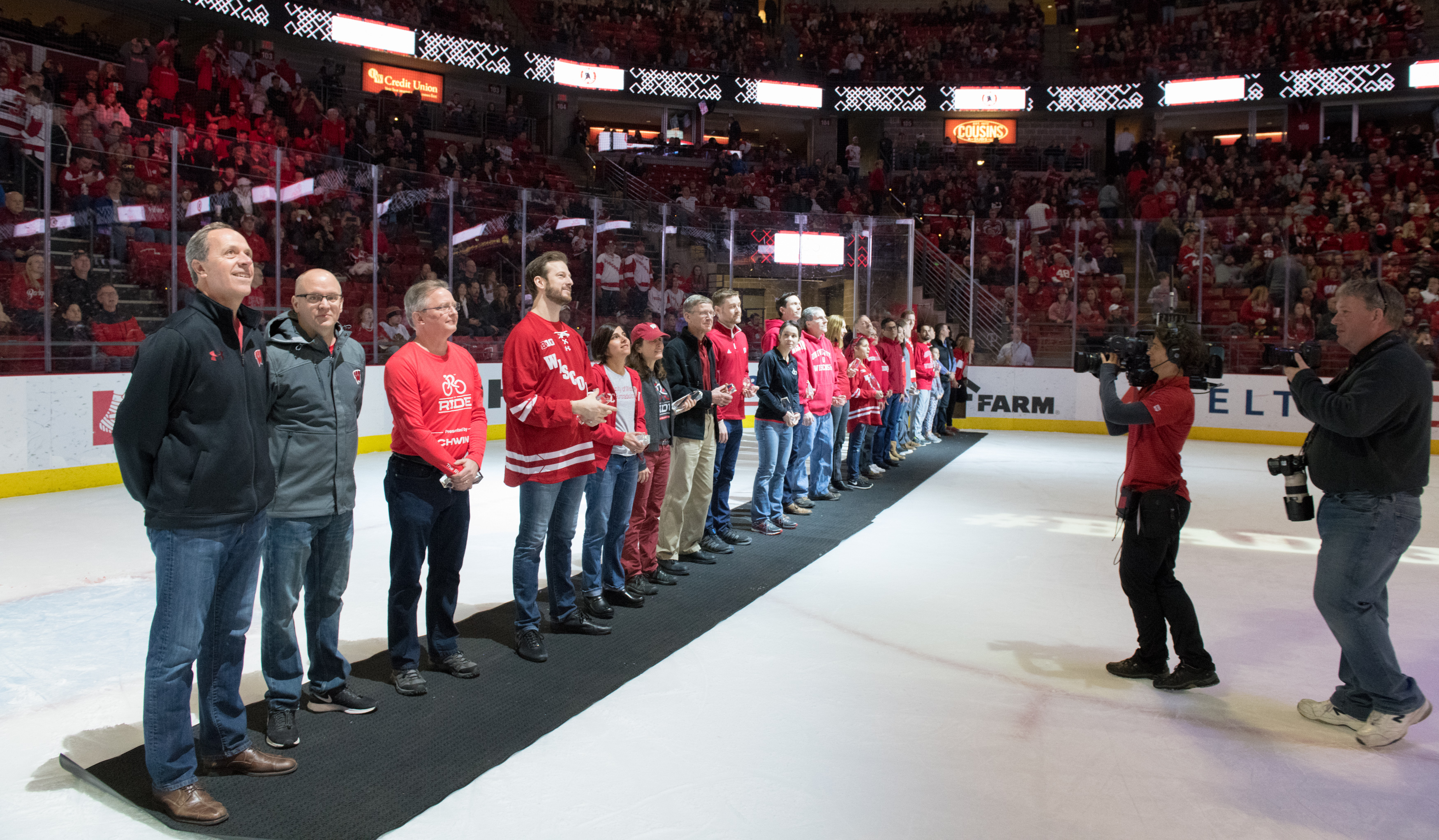
Mark Klein and Peter Lewis were recognized for their cancer research awards from The Ride, sponsored by the UW Carbone Cancer Center, at a recent Wisconsin Men's Hockey game.
The project Includes Hands-On Lab Work Testing Soil
Instructors from eight UW System schools and more than a dozen other colleges and universities are taking a week out of their January break to meet in Madison in search of a crucial discovery — antibiotics.
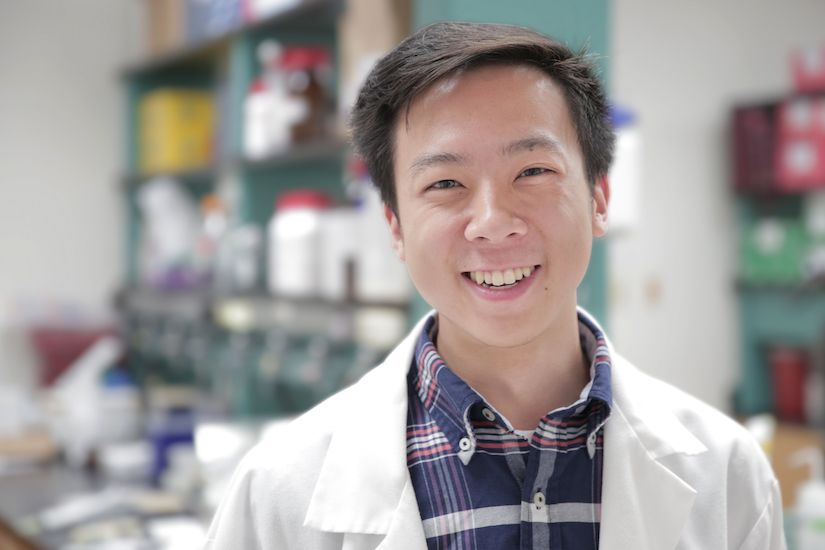
Error rates as high as 50 percent are a problem when the goal is to correct typos in the DNA that cause genetic disease. Now, a team of researchers led by WID's Kris Saha has made the fix less mistake-prone.
In August 2017, Randolph Ashton received almost $800,000 from the National Institute of Neurological Disorders and Stroke, part of NIH, to continue a five-year research study of Lou Gehrig’s disease (amyotrophic lateral sclerosis, or ALS), after successfully completing its first phase.
WID researcher Sushmita Roy and collaborators at UW–Madison and the University of Florida will use a $7 million grant from the U.S. Department of Energy to study how some plants partner with bacteria to create usable nitrogen and to transfer this ability to the bioenergy crop poplar.
Karen Schloss talks about the psychology behind color preferences in an interview for Artsy.
Discovery Building
330 N. Orchard Street
Madison, WI 53715
1.608.316.4339
Space and events rental:
DiscoveryEvents@discovery.wisc.edu
608.316.4534
Feedback, questions or accessibility issues: media@wid.wisc.edu Privacy Notice | © 2026 | Board of Regents of the University of Wisconsin System