

Karan Srivastava earns 22-23 Teaching Assistant Award
ppointer2024-11-14T21:29:49-06:00"I aim to create an environment where students can ask questions, make mistakes, and learn to move past them."
"I aim to create an environment where students can ask questions, make mistakes, and learn to move past them."
She will host a hands-on workshop to improve academic, creative, or professional writing practices, leaving participants more productive and less stressed.
With the goal of highlighting Latinx scientists for other scientists as well as Latinx children, Solís-Lemus co-created El Zoominario, an online seminar series aimed at the general public.
Shaoqin "Sarah" Gong and her lab have developed a way to move therapies across the brain’s protective membrane to deliver brain-wide therapy with a range of biological medications and treatments.
Yin and collaborating researchers are building the model to investigate how the nervous system and urinary tract are connected.
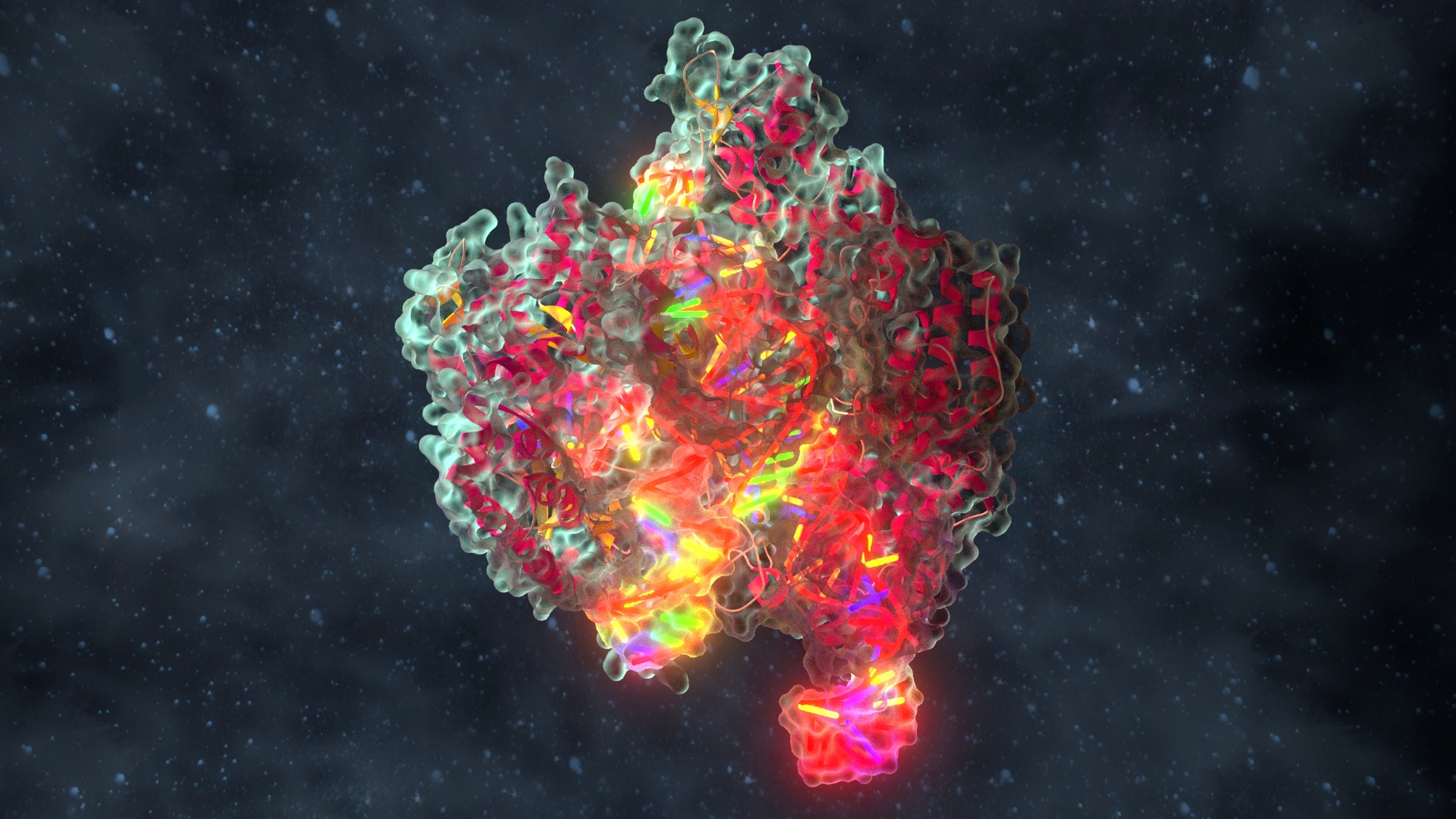
PhD student Hayley Boigenzahn and professor John Yin can explain how one of the potentially crucial early steps on the path of life could have happened. They published their findings in the Dec. 2022 issue of the journal Origins of Life and Evolution of Biospheres.
May’s work will focus on developing computer models of electrical and cellular interactions to establish metrics for efficient data flow through these systems.
UW–Madison’s three new fellows–Susan Hagness, Jo Handelsman, and Justin Wilson–bring the university’s total representation to 15.
From high school dropout to PhD: The unlikely journey of student commencement speaker and Saha Lab member Kirstan Gimse
Dr. Schloss has earned tenure in the Department of Psychology. She studies color cognition, color preferences, visual reasoning, and information visualization.
Randolph Ashton, an associate professor of biomedical engineering, is co-founder of Neurosetta, a startup company built around technology for modeling human brain and spinal cord development that emerged from his research lab.
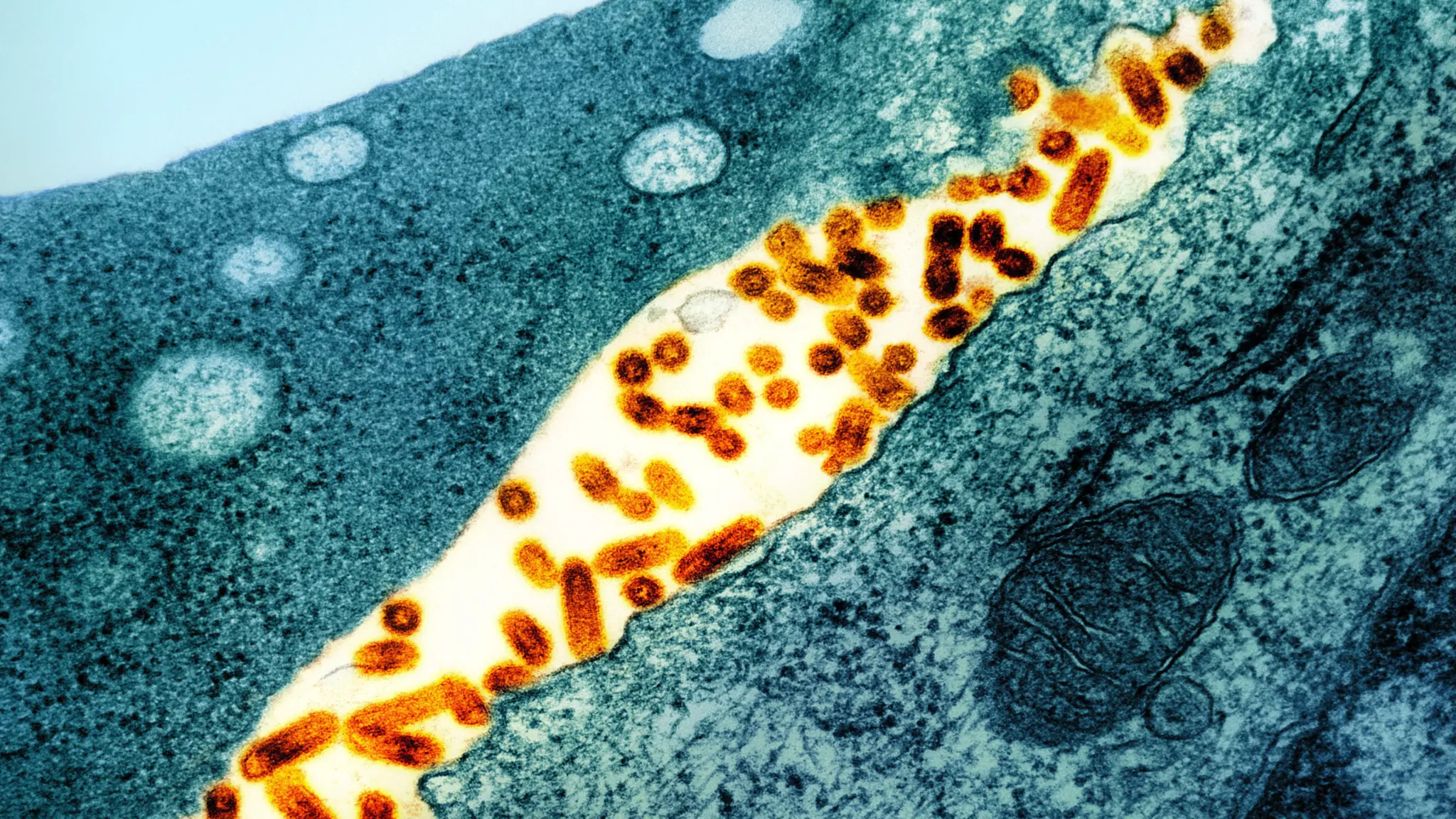
Incomplete viral genomes can quell disease and, with further research, could be turned into treatments. An opinion by John Yin for Scientific American.
WID's Randolph Ashton is developing a method for “scalable and cost-effective screening” of various chemical compounds on the brain and spinal cord. The new company is Neurosetta.
PhD student Lena Vincent pursues the biggest question in her research on the chemical origins of life.
The Romnes Fellowships recognize faculty with exceptional research contributions within their first six years from promotion to a tenured position.
The award recognizes her contributions to information systems for patients and reinforces the value of data science for the future of healthcare.
The award recognizes contributions to teaching, research, and service.
Dr. Jo Handelsman first peered into a microscope at the age of 12 and became fascinated with science. Dr. Handelsman is committed to fostering the future of women and underrepresented persons in STEM, promoting science to serve the public, and conducting groundbreaking research. As a plant pathologist and microbiologist, she has made vast contributions to scientific advancements in metagenomics, soil science, antibiotic discovery, and much more. She received the Presidential Award for Science Mentoring in 2011 and has served as an expert leader in many roles, including a Howard Hughes Medical Institute Professor at UW and Yale, the Associate Director for [...]
Michael Graf, WID's Science to Script writer in residence (2021-2022) interviews Rachel Kropa and David Lang from the Footprint Coalition. The Footprint Coalition invests in high-growth, sustainability-focused companies. They make charitable grants to non-profits that advance the adoption of environmental technology.
Krishanu Saha, along with colleagues Susan Hagness and Christopher Brace are among the 2022 class of inductees. AIMBE (American Institute for Medical and Biological Engineering) Fellows are considered to represent the top 2% of medical and biological engineers in the United States.
In Faces of Data Science, we meet members of the data science community in fields from business, engineering and medicine to limnology, geography and biology, including WID faculty,Stephen Wright and Michael Ferris.
Through a series of lab studies between 2010 and 2017, Karen Schloss, PhD and her collaborator, Stephen Palmer PhD, a researcher at UC Berkeley, set out to find out why we like certain colors more than others. They hypothesized the Ecological Valence Theory (EVT), which they describe in their 2017 paper as the theory that "...people like/dislike a given color to the degree that they like/dislike all of the objects and entities that they associate with that color."
Srikanth Pilla (former postdoc in the Turng Lab) works closely with automotive suppliers, helping them get more mileage from, secure safer rides for and enhance the sustainability of the products they put on the road.
Shaoqin “Sarah” Gong, professor of biomedical engineering; Zachary Morris, professor of human oncology; biomedical engineering postdoctoral researcher Ying Zhang and human oncology researcher Raghava Sriramaneni win one of the WARF Innovation awards for their work, Nanoparticle to Render Tumors More Susceptible to Treatment.
David Baum discusses different theories that have been proposed to explain the origin of life and summarizes ongoing work in his laboratory and elsewhere with WPR's Norman Gilliland.
Discovery Building
330 N. Orchard Street
Madison, WI 53715
1.608.316.4339
Space and events rental:
DiscoveryEvents@discovery.wisc.edu
608.316.4534

Feedback, questions or accessibility issues: media@wid.wisc.edu Privacy Notice | © 2025 | Board of Regents of the University of Wisconsin System