
Inclusive Engagement
ppointer2025-02-11T11:37:59-06:00Wisconsin Science Festival Science to Street Art

Wisconsin Science Festival Science to Street Art
32 Principal Investigators in 17 Departments
The WID logo, a compass rose, embodies our outward facing direction and four values of Interdisciplinary Research, Inclusive Engagement, Global Impact, and Grand Challenges. WID's values reflect the Wisconsin Idea to enhance the lives of every person in the State of Wisconsin, as well as around the nation and the world.
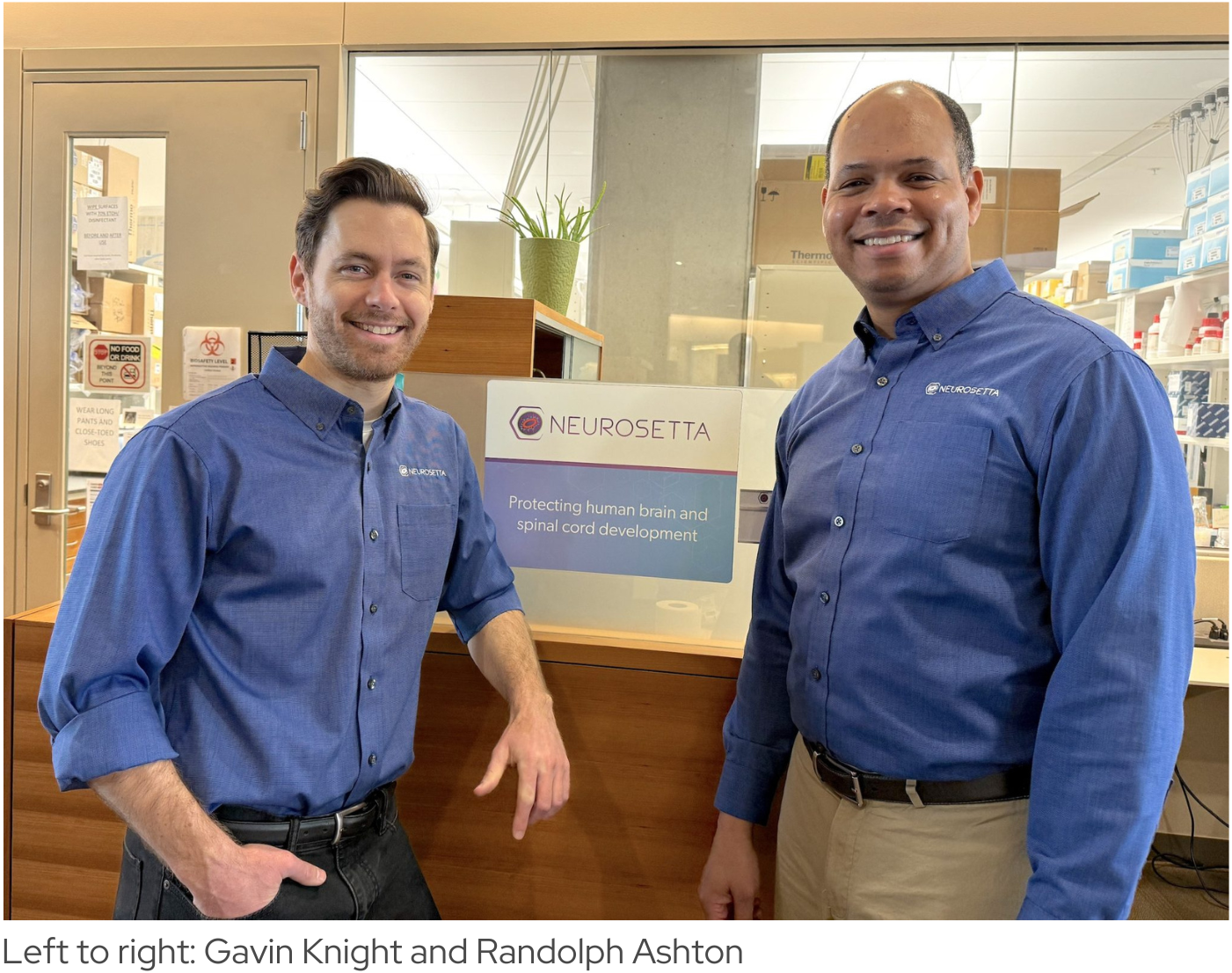
Ashton and Knight founded Neurosetta to commercialize RosetteArray™ technology, a scalable screening platform that models human brain and spinal cord development, specializing in neurodevelopmental disorders such as Spina Bifida and Autism Spectrum Disorder. This platform can be used by chemical and drug development companies to screen for the developmental neurotoxicity associated with potential compounds in their product pipelines.
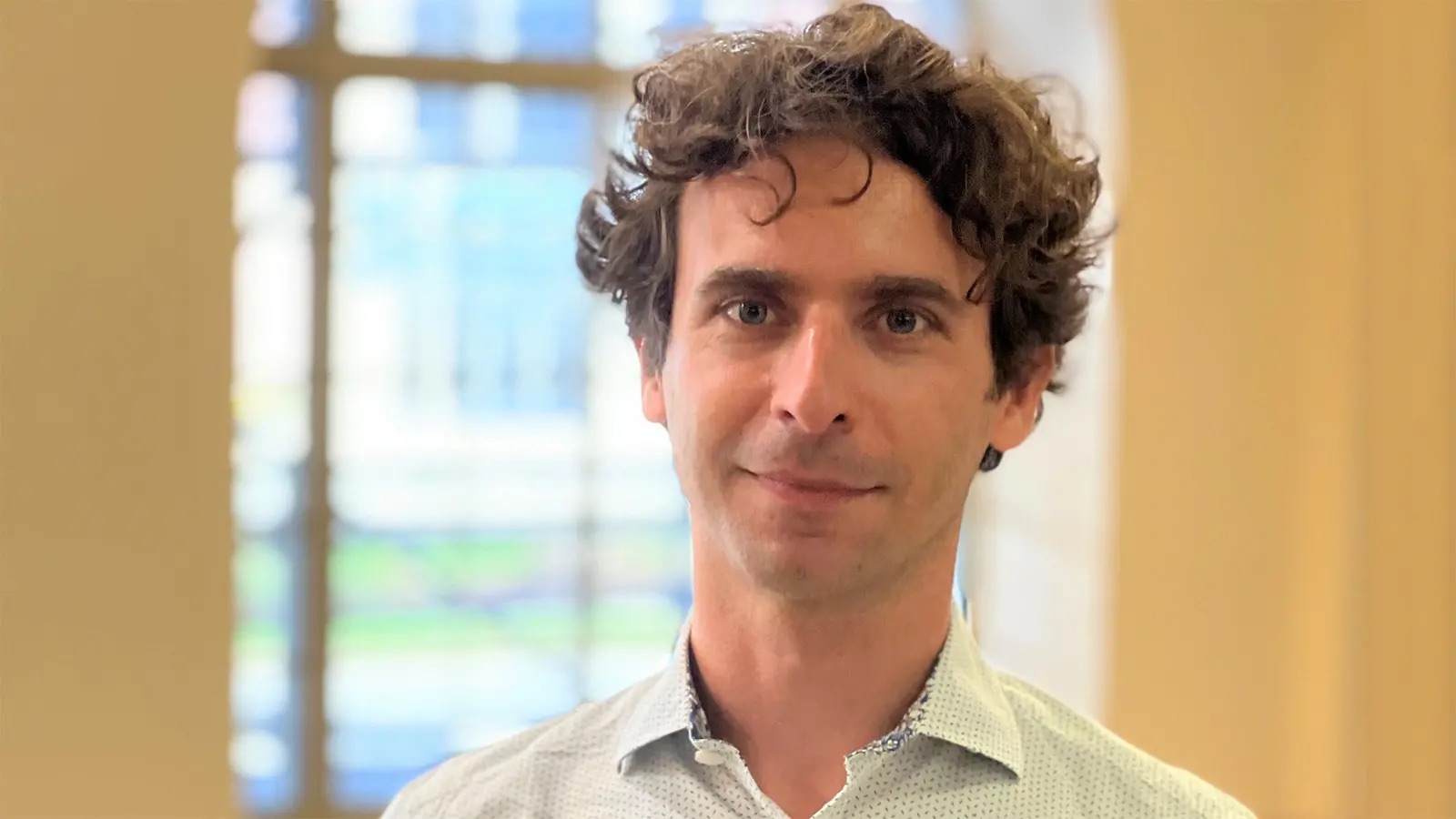
Emile Gluck-Thaler joined the UW–Madison faculty in September 2023 as an assistant professor in the Department of Plant Pathology.
Discovery Fellow, Stephen Wright was cited for theory and design of optimization algorithms and their application in signal processing and machine learning. Inauguration in to the National Academy of Engineering is one of the highest professional distinctions in the field.
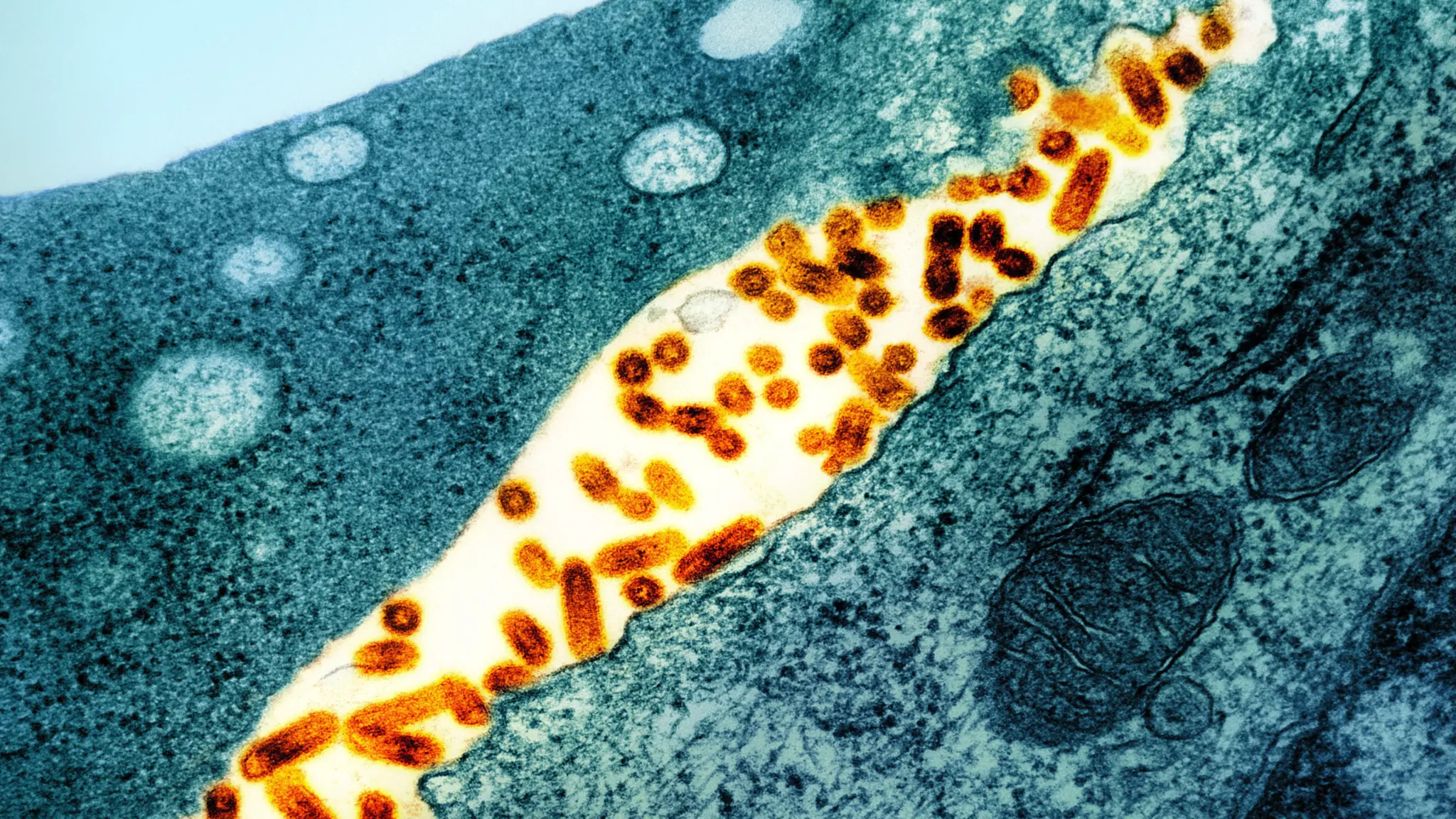
Schwab joined the lab of John Yin, a professor of chemical and biological engineering at the Wisconsin Institute for Discovery. That decision led Schwab to a three-year research career that has culminated in the publication of a new paper in the journal Virus Evolution.
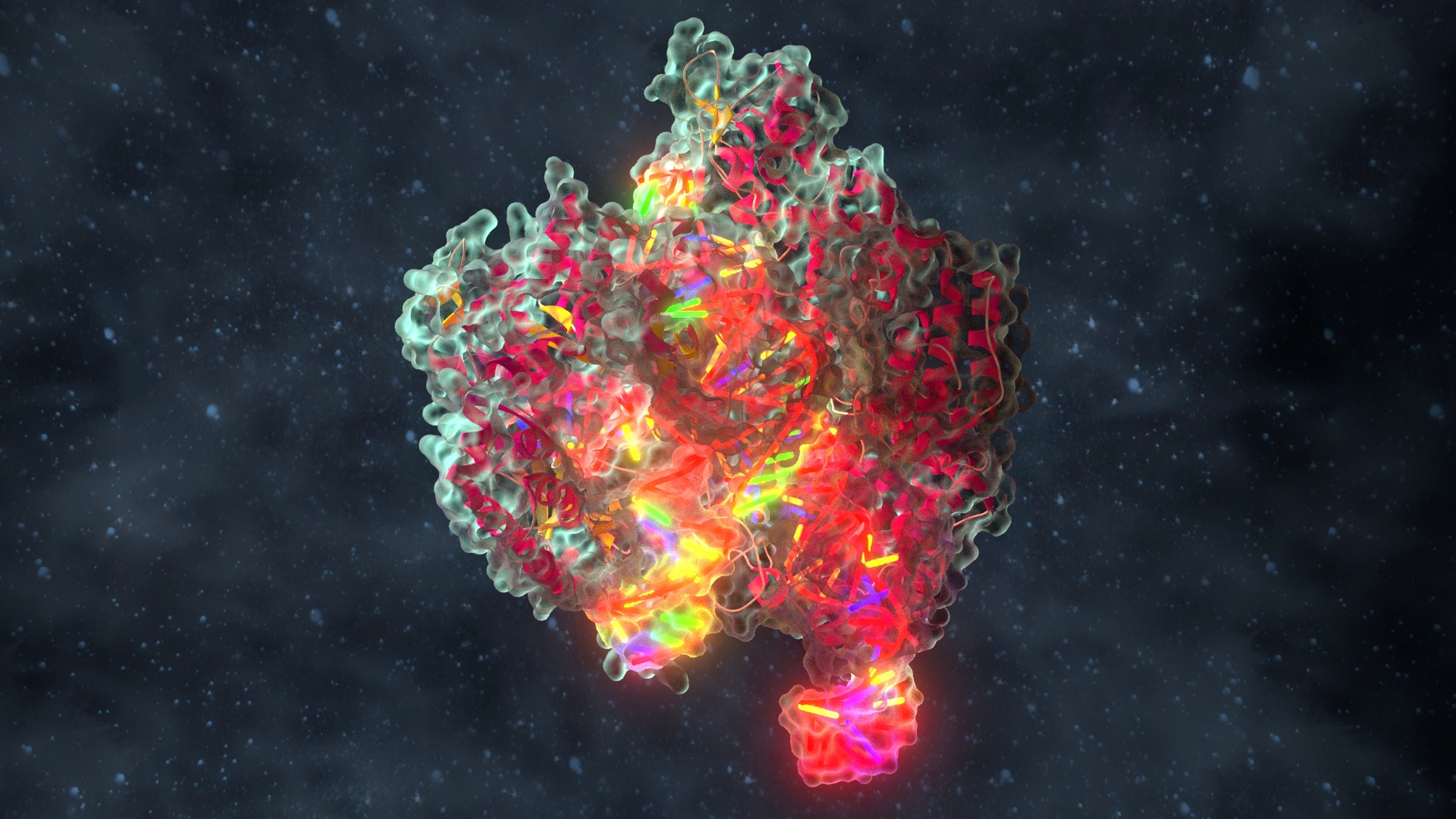
From the Inverse: Krishanu Saha, a bioengineer at the University of Wisconsin–Madison whose lab is working on gene therapies for treating blindness, says the precision allowed by CRISPR-Cas9’s programmability is its singular selling point.
Meet our Gold Sponsor at the Symposium Expo
Annual Wisconsin Science Festival returns Oct. 16-22 with new theme
The Wisconsin Institute for Discovery hosted the “Celebrating Latinx voices in STEM” symposium in collaboration with the University of Wisconsin Inclusion in Science & Engineering Leadership Institute and the College of Agriculture and Life Sciences Oct. 5.
He has earned the 2023 INFORMS Computing Society Prize for a series of papers at the intersection of operations research and computer science.
Katherine P. Meuller, PhD and Nicole J. Piscopo win with “Production and characterization of virus-free, CRISPR-CAR T cells capable of inducing solid tumor regression”
Activities include hands-on science experiments, live Q&A sessions and interviews with scientists, demonstrations, performances, behind-the-scenes tours and more.
The award goes to a researcher “for a body of contributions in the area of optimization.”
Support cutting-edge research that addresses pressing global challenges in health, environment, technology, and more.
WID Discovery Fellow, Josh Arnold is working with Alliant Energy to design a 2.25-megawatt solar farm on its Kegonsa Research Campus near Stoughton as a laboratory for a multi-disciplinary study of agrivoltaics — the co-location of solar energy and agriculture.
Discovery Fellow, Federico Rey and colleagues identified bacteria able to break down uric acid in the low-oxygen environment of the intestines and the specific genes that enable the process.
Phi Kappa Phi is the nation’s oldest and most prestigious honor society that is open to students across disciplines, recognizes the achievements of the most outstanding students in every school and college at UW–Madison.
"I aim to create an environment where students can ask questions, make mistakes, and learn to move past them."
She will host a hands-on workshop to improve academic, creative, or professional writing practices, leaving participants more productive and less stressed.
With the goal of highlighting Latinx scientists for other scientists as well as Latinx children, Solís-Lemus co-created El Zoominario, an online seminar series aimed at the general public.
Shaoqin "Sarah" Gong and her lab have developed a way to move therapies across the brain’s protective membrane to deliver brain-wide therapy with a range of biological medications and treatments.
Discovery Building
330 N. Orchard Street
Madison, WI 53715
1.608.316.4339
Space and events rental:
DiscoveryEvents@discovery.wisc.edu
608.316.4534
Feedback, questions or accessibility issues: media@wid.wisc.edu Privacy Notice | © 2026 | Board of Regents of the University of Wisconsin System