
Talk about ideas, experiments, procedures, human interest. Much longer “shelf-life”
Tiny Earth Abroad: Citizen Science in Spain and Portugal

2025-08-19T14:47:54-05:00

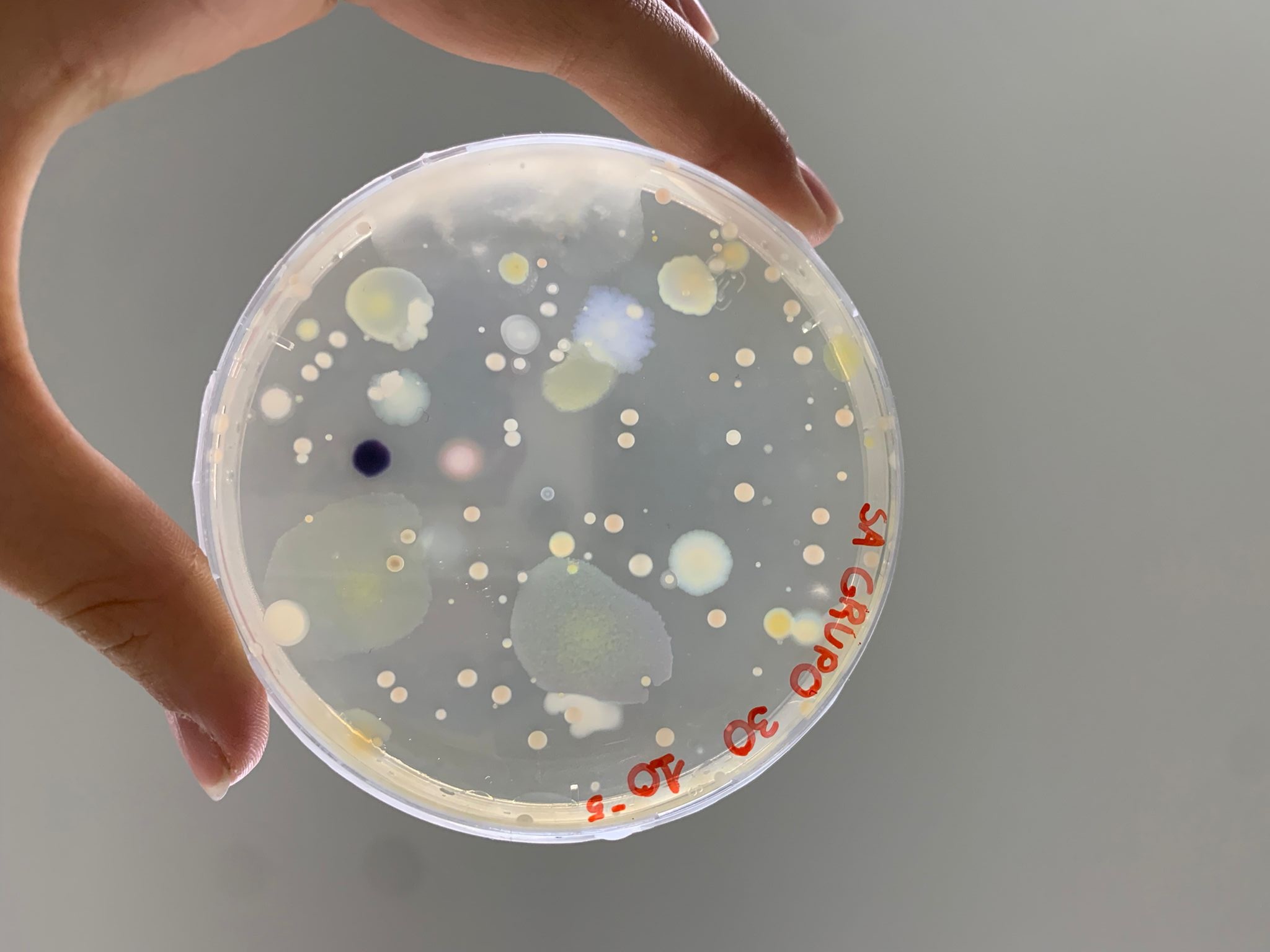
The MicroMundo Project in Spain and Portugal is taking an innovative approach to addressing the global antimicrobial resistance (AMR) crisis through education and hands-on discovery. Adapted from Tiny Earth, the global antibiotic discovery initiative launched at the Wisconsin Institute for Discovery (WID), MicroMundo has become one of the most extensive international branches of the network. What makes this program unique is its community-centered model. University students partner with local secondary schools, serving as peer mentors who guide younger students through real scientific inquiry: collecting soil samples, culturing bacteria, and testing for antibiotic activity. Along the way, participants gain confidence in research while contributing to the worldwide fight against AMR. As Jo Handelsman’s vision for Tiny Earth continues to grow across hundreds of institutions worldwide, MicroMundo stands out as a vibrant example of how science education and discovery can work hand in hand to inspire the next generation.
Tiny Earth Abroad: Citizen Science in Spain and Portugal2025-08-19T14:47:54-05:00

Student Profile: Meet Nan Jiang

2026-04-14T16:21:05-05:00

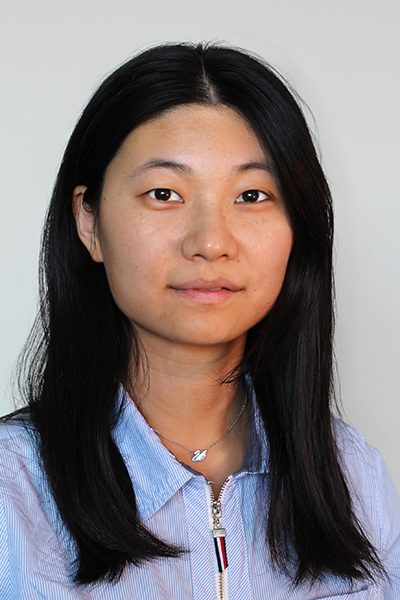
This summer, graduate student Nan Jiang of the Yin Lab will complete her PhD from UW–Madison’s Biophysics program. In her time at the Wisconsin Institute for Discovery she has built a strong foundation of innovation and interdisciplinary excellence for her future research. "This collaborative environment inspired me to integrate computational and experimental methods in my own work and strengthened my belief in the power of interdisciplinary science to drive discovery,” says Nan.

Student Profile: Meet Nan Jiang2026-04-14T16:21:05-05:00

Tiny Earth In Action

2025-06-19T14:30:12-05:00

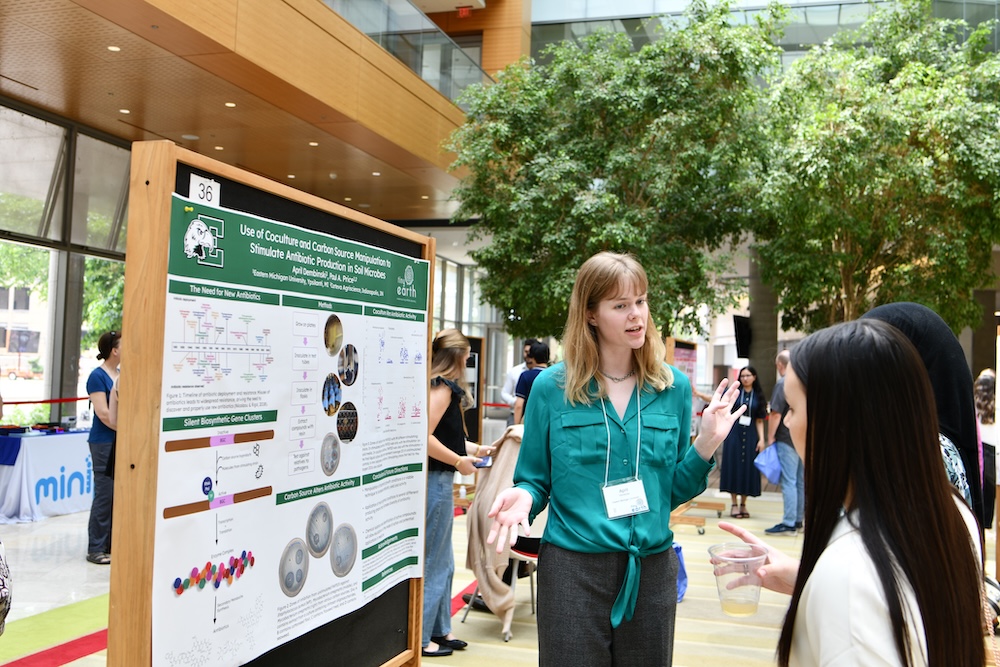
The Tiny Earth Summer Symposium 2025, held June 11 and 12, brought together a record-breaking group of student researchers and instructors for two days of science, storytelling, and community. This year’s symposium featured 96 students and 26 instructors from 27 institutions across 11 U.S. states and 2 countries, reflecting the growing reach of the Tiny Earth network.

Tiny Earth In Action2025-06-19T14:30:12-05:00

Sustainability Study in Italy Makes Impact on Rising Senior

2025-06-19T13:21:13-05:00

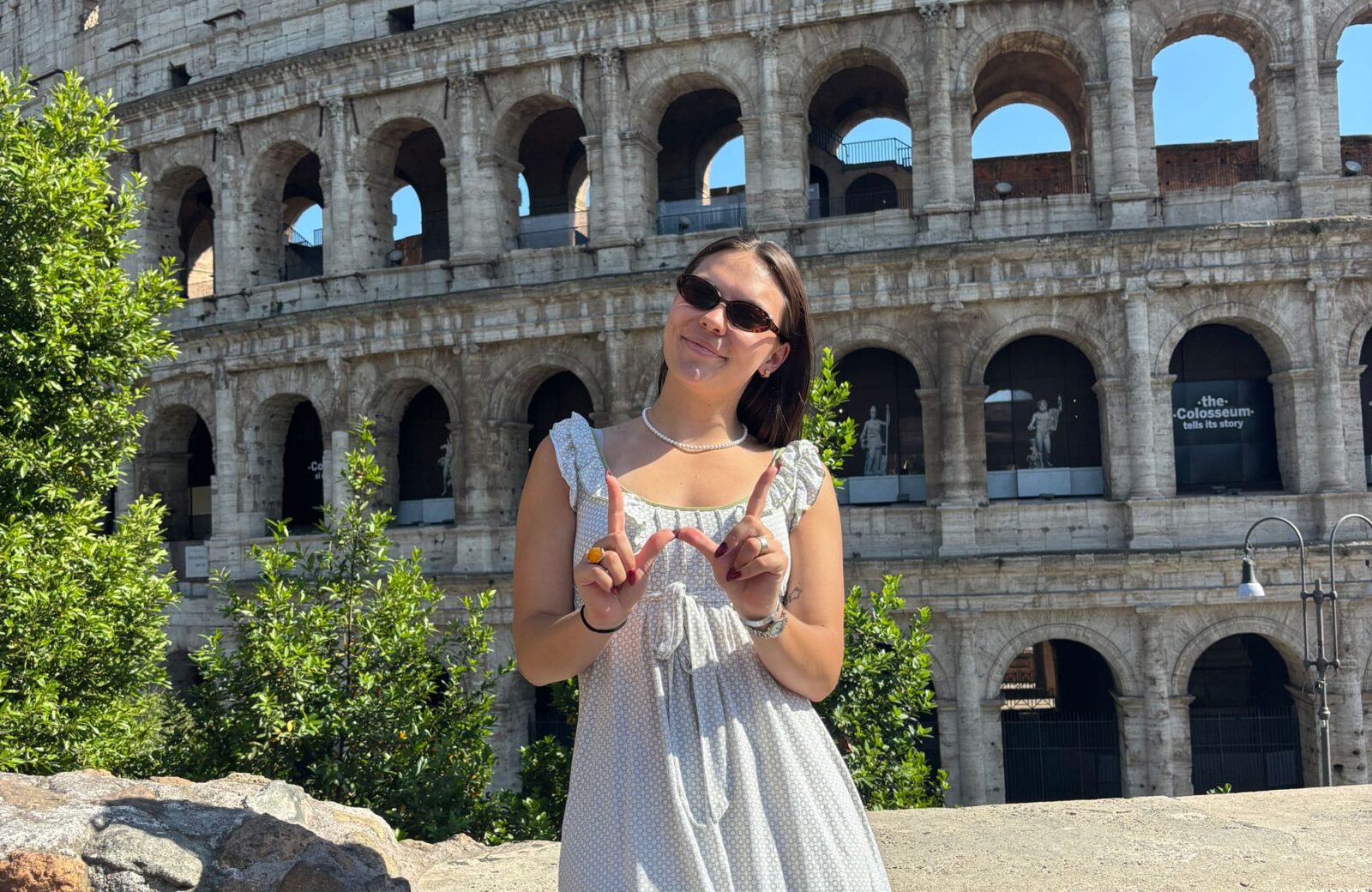
Even a short trip can make a big impact. UW–Madison senior Morgan Ramsey, a communications intern at the Wisconsin Institute for Discovery, spent two weeks studying abroad in Italy and calls it one of her most immersive experiences. The jam-packed program, UW Sustainable Food Systems in Italy and the World, is a 2-credit field experience through CALS and IAP. Open to all students who complete a 1-credit prep course, it draws majors from global health to psychology.

Sustainability Study in Italy Makes Impact on Rising Senior2025-06-19T13:21:13-05:00

UW Tech Exploration Lab Student Projects Highlight Innovation, Emerging Technologies

2025-07-02T15:36:03-05:00

At a recent open house for the University of Wisconsin–Madison’s Tech Exploration Lab at the Wisconsin Institute for Discovery (WID) a partnership between the Wisconsin School of Business  bold ideas and community impact come to life through the Tech Exploration Lab. Kevin Ponto and Jon Eckhardt, brought deep expertise in design thinking and entrepreneurship to support students in turning innovative ideas into real-world solutions.

UW Tech Exploration Lab Student Projects Highlight Innovation, Emerging Technologies2025-07-02T15:36:03-05:00

UW Researchers Developing App to Easily Assess Home for Accessibility Improvements

2025-05-15T10:43:11-05:00

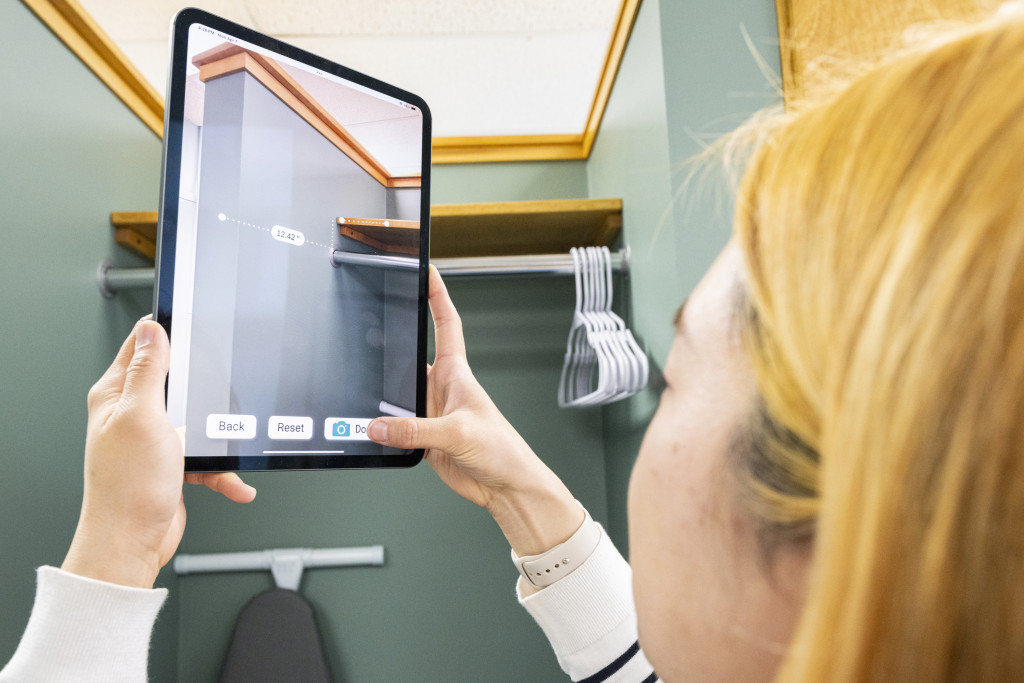
Wisconsin Institute for Discovery researcher Kevin Ponto was featured on Channel3000 to discuss the development of an app designed to easily assess homes for accessibility improvements. Along with Professor Jung-Hye Shin, chair of UW’s Design Studies Department, they developed the Augmented Reality Home Assessment Tool, or ARHAT. The app aims to make it easier to identify accessibility enhancements using mobile devices.

UW Researchers Developing App to Easily Assess Home for Accessibility Improvements2025-05-15T10:43:11-05:00

App under development at UW could make it easier, more affordable to ‘age in place’

2025-04-30T11:19:17-05:00

Researchers are using augmented reality to help make homes safer for older adults through a tool called ARHAT—the Augmented Reality Home Assessment Tool. ARHAT guides users through a process to measure key features of a living space and suggests accessibility improvements. By streamlining what can be a clunky and expensive process, the tool supports a more affordable, community-based approach to home safety. The project is led by Jung-hye Shin and Kevin Ponto from the Department of Design Studies and the Wisconsin Institute for Discovery, alongside occupational therapist and kinesiology professor Beth Fields.

App under development at UW could make it easier, more affordable to ‘age in place’2025-04-30T11:19:17-05:00

New advanced optimization course provides industry preparation

2025-11-11T13:58:59-06:00

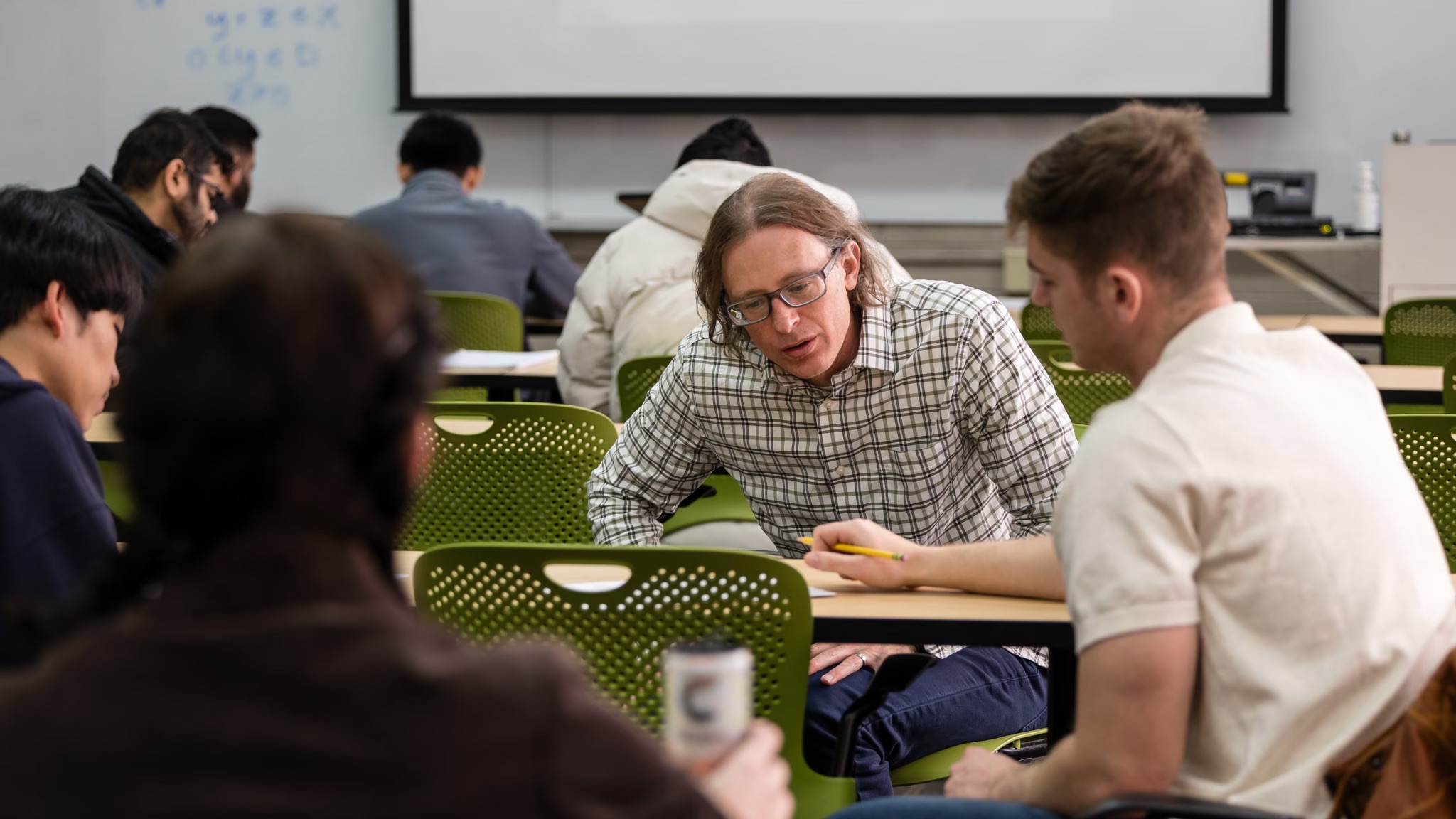
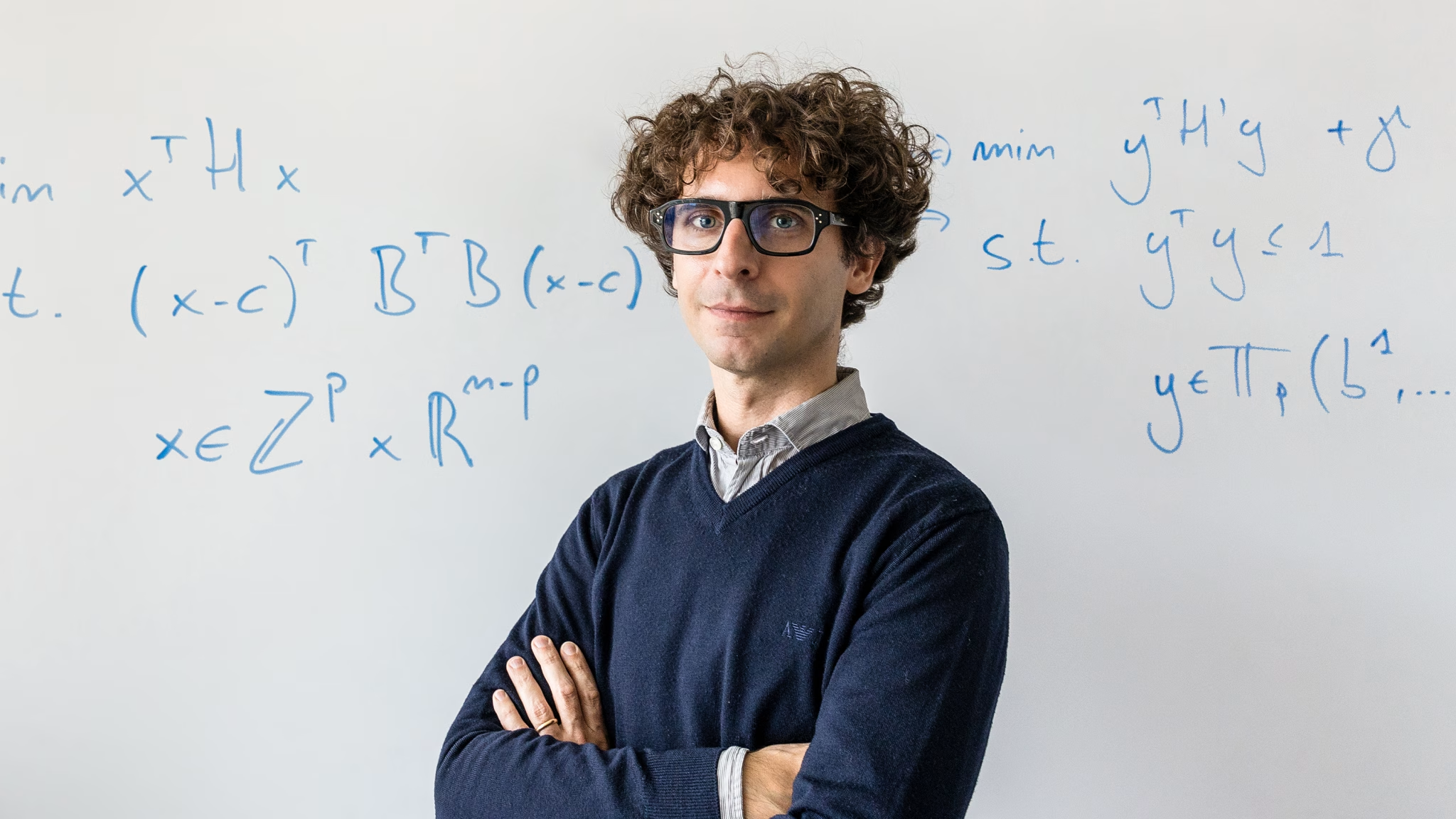
WID Discovery Fellow, Jim Luedtke created a course to build on students’ basic knowledge of optimization, teach them to apply more advanced modeling techniques and introduce them to real-world considerations like prioritizing computational efficiency. This course bridges the gap between introductory topics and real world applications.

New advanced optimization course provides industry preparation2025-11-11T13:58:59-06:00

Science is Global: Building Bridges with Dr. Kris Saha

2025-03-12T12:35:24-05:00

Speaking to the Global Health Institute at UW–Madison, Saha notes, "Both locally and abroad, my sense is there are unknown questions we’re asking, and there’s a mutual interest in being able to solve them for advancing healthcare. The role of a public university is to try to answer those questions for public benefit and, yes, to help make a company that can produce it in a sustainable and safe way – to get that impact and employ people in the process."

Science is Global: Building Bridges with Dr. Kris Saha2025-03-12T12:35:24-05:00

Co-Zorbing: The New Frontier in Bacterial Cooperation

2026-03-18T11:46:25-05:00

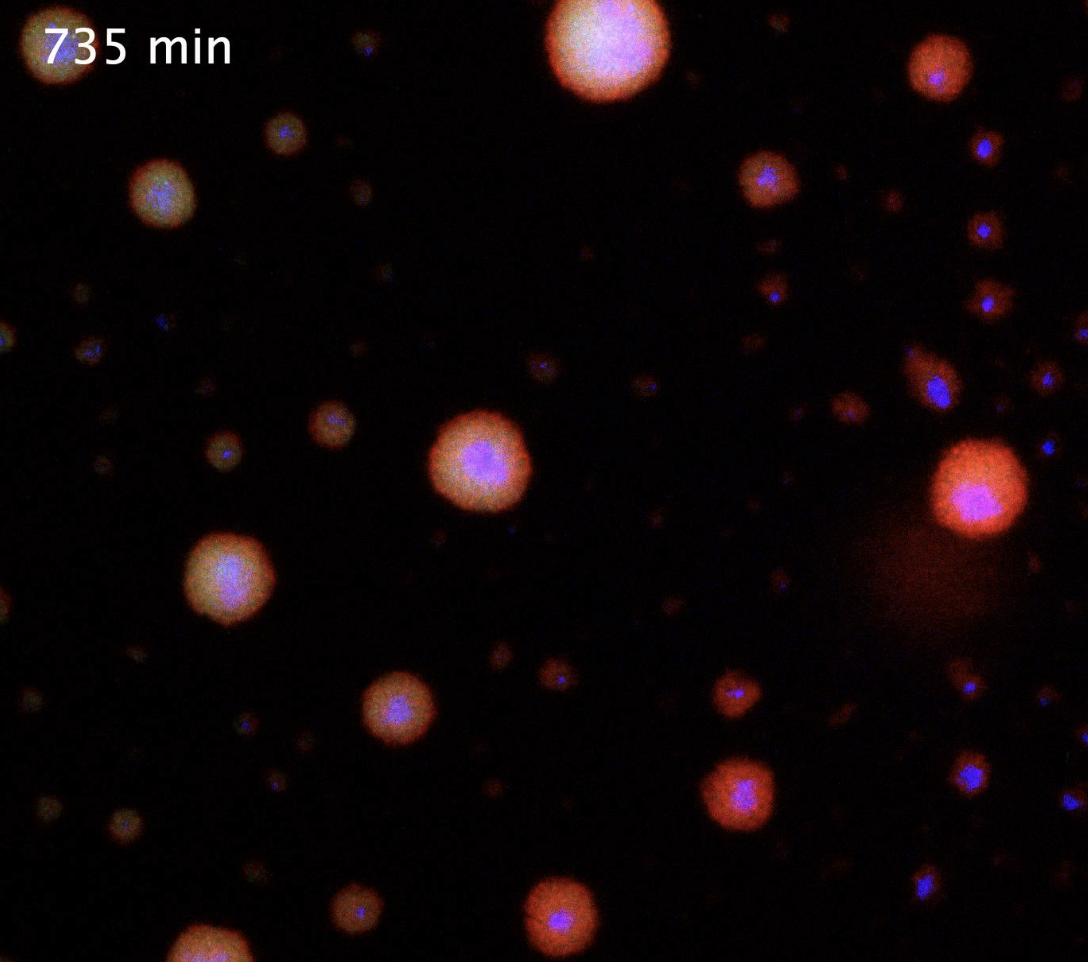
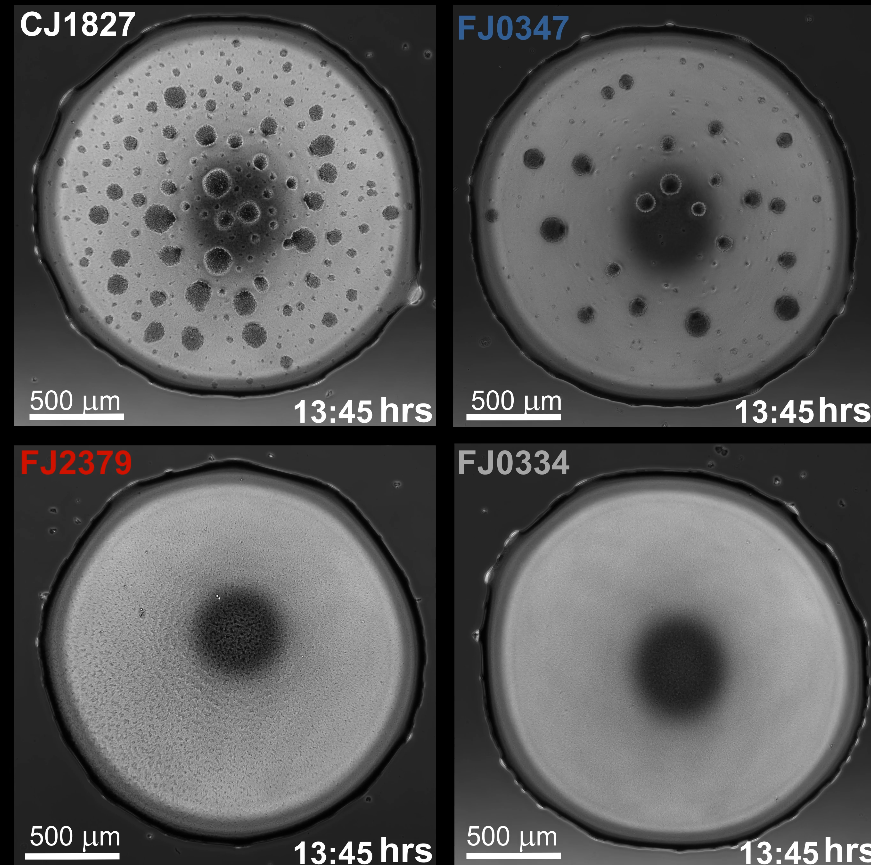
In a recent study published in Proceedings of the National Academy of Sciences (PNAS), researchers discovered that biofilms made of a specific type of bacterium, Flavobacterium johnsoniae, can form 3-D structures called Zorbs that are capable of moving. Not only do these structures move, but researcher, Shruthi Magesh, from the Wisconsin Institute for Discovery have also found that they can transport other species of bacteria by forming tri-zorbs.

Co-Zorbing: The New Frontier in Bacterial Cooperation2026-03-18T11:46:25-05:00

Exploring the Wonders of Science with Leah Elson at the Wisconsin Science Festival

2025-03-11T14:50:00-05:00

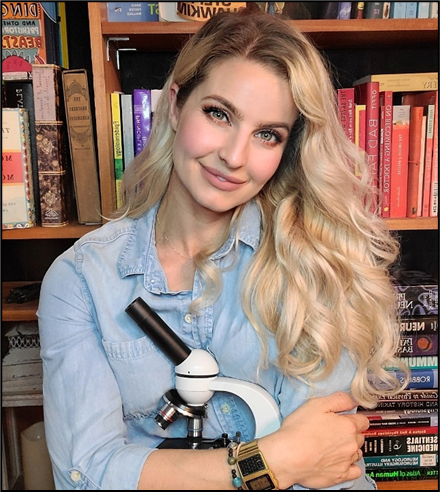
The Wisconsin Science Festival welcomes renowned science influencer and author Leah Elson to engage with audiences of all ages. “I got to take the stage with colleagues from drastically different areas of science and community outreach, joining forces to educate (and entertain) an adult audience–interdisciplinary collaboration at its finest (and most impactful!)," says Elson.

Exploring the Wonders of Science with Leah Elson at the Wisconsin Science Festival2025-03-11T14:50:00-05:00

Guest column: “The war on discovery” is antithesis of campaign pledge to make America great again

2025-02-17T15:46:52-06:00

"Make America Great Again. Make America Healthy Again. These were promises made by candidate Trump in his campaign to be president of the United States of America. What in this campaign platform should have prepared us for a war on discovery?" Read WID director, Dr. Jo Handelsman's Wisconsin Technology Council's guest column.

Guest column: “The war on discovery” is antithesis of campaign pledge to make America great again2025-02-17T15:46:52-06:00

New Insights Into Self-replicating Molecules

2025-01-27T08:59:06-06:00

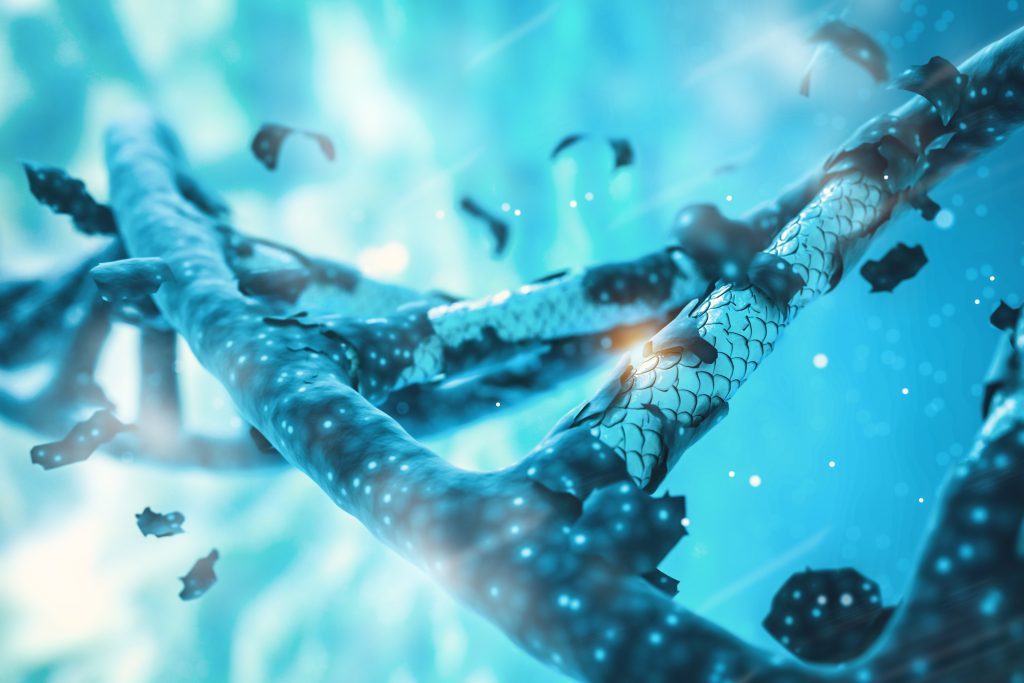
New research from the David Baum Lab at the Wisconsin Institute for Discovery sheds light on how autocatalysis, a key process, played a role in the origins and evolution of life on Earth. The study introduces a new mathematical tool that makes it easier to identify Minimal Autocatalytic Sets (MASs) in Chemical Reaction Networks (CRNs), representing a big step forward in understanding this complex process.

New Insights Into Self-replicating Molecules2025-01-27T08:59:06-06:00

Postdoc Highlight: Combining computation and gene therapy for Alzheimer’s treatments

2024-11-25T12:40:08-06:00

Postdoc Highlight: Kirstan Gimse has taken her passion for investigating neurodegenerative diseases and pushed it into a new area by working as a Genomic Sciences Training Program (GSTP) Postdoctoral trainee with Drs. Sushmita Roy and Krishanu Saha.

Postdoc Highlight: Combining computation and gene therapy for Alzheimer’s treatments2024-11-25T12:40:08-06:00

Serendipity reveals new method to fight cancer with T cells

2024-11-22T14:40:55-06:00

A promising therapy that treats blood cancers by harnessing the power of the immune system to target and destroy cancer cells could now treat solid tumors more efficiently. Thanks to a recent study from Dan Cappabianca and Krishanu Saha at the Department of Biomedical Engineering and the Wisconsin Institute for Discovery published in Molecular Therapy – Methods & Clinical Development, Chimeric Antigen Receptor (CAR) T-cell therapy can be improved by altering the conditions the T cells are grown in. And it was all discovered by chance.

Serendipity reveals new method to fight cancer with T cells2024-11-22T14:40:55-06:00

Researchers Develop Advanced Gene Editing Techniques to Boost T Cells in Cancer Treatment 

2024-11-14T20:38:46-06:00

A new study from the Krishanu Saha lab suggests using CRISPR technology to optimize natural immune responses by bioengineering and remodeling T cells. Using a multiplexing technique, the team addresses key challenges in current cancer therapies that could significantly improve treatment outcomes. "We have developed a new way to engineer immune cells to fight cancer more safely and effectively. Think of it as reprogramming the body’s own soldiers (T cells) to recognize and attack cancer cells," says Cappabianca.

Researchers Develop Advanced Gene Editing Techniques to Boost T Cells in Cancer Treatment 2024-11-14T20:38:46-06:00

Innovator Profile: Randolph Ashton and Gavin Knight

2026-05-05T14:19:25-05:00

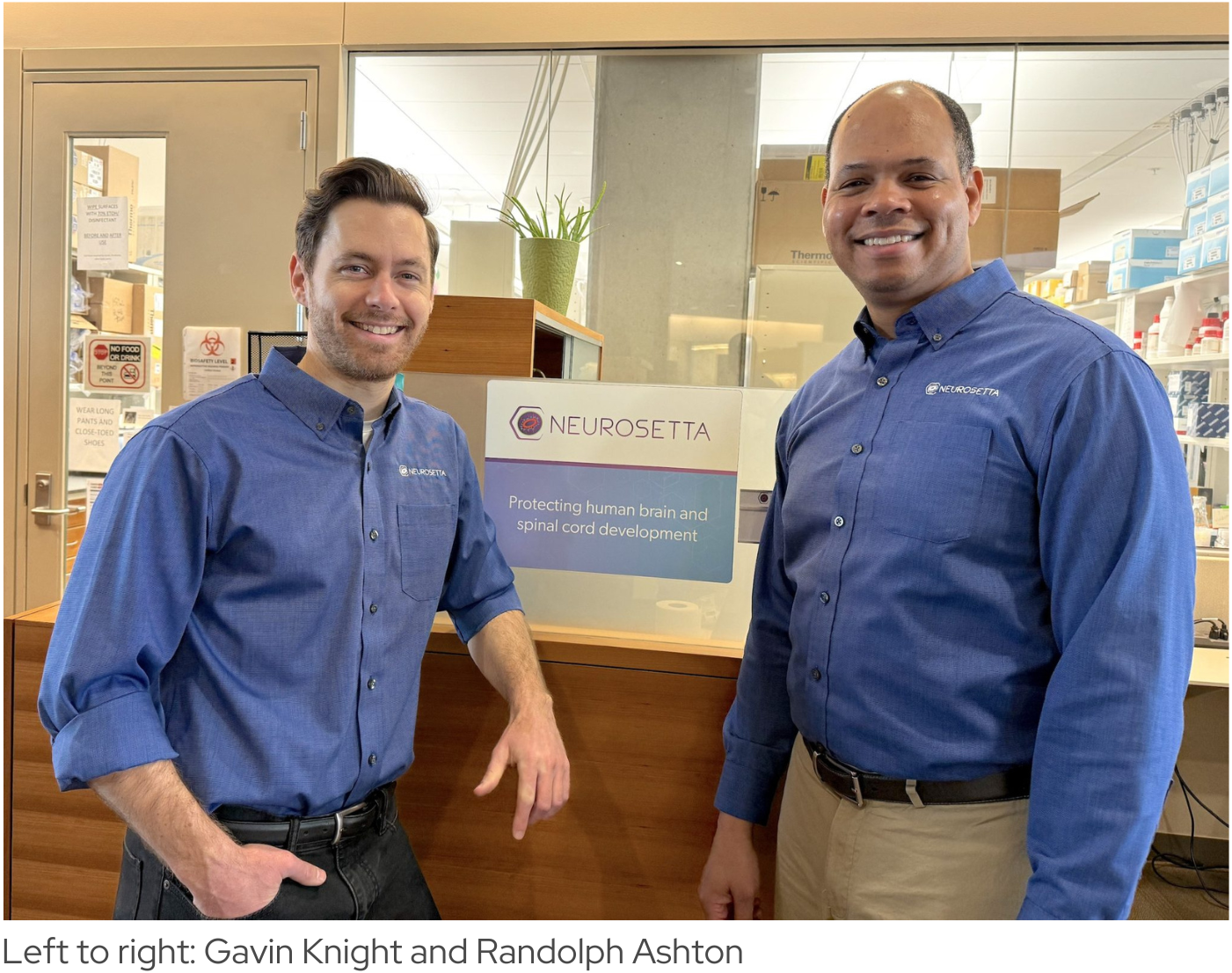
Ashton and Knight founded Neurosetta to commercialize RosetteArray™ technology, a scalable screening platform that models human brain and spinal cord development, specializing in neurodevelopmental disorders such as Spina Bifida and Autism Spectrum Disorder. This platform can be used by chemical and drug development companies to screen for the developmental neurotoxicity associated with potential compounds in their product pipelines.

Innovator Profile: Randolph Ashton and Gavin Knight2026-05-05T14:19:25-05:00

Through undergraduate research, engineer predicts the path, impact of viral mutations

2024-11-14T20:44:58-06:00

Schwab joined the lab of John Yin, a professor of chemical and biological engineering at the Wisconsin Institute for Discovery. That decision led Schwab to a three-year research career that has culminated in the publication of a new paper in the journal Virus Evolution.

Through undergraduate research, engineer predicts the path, impact of viral mutations2024-11-14T20:44:58-06:00
Go to Top