



The Latest
Inaugural Microbiome Symposium Showcased Interdisciplinary Work Enabled by Campus Germ-Free Mouse Facility
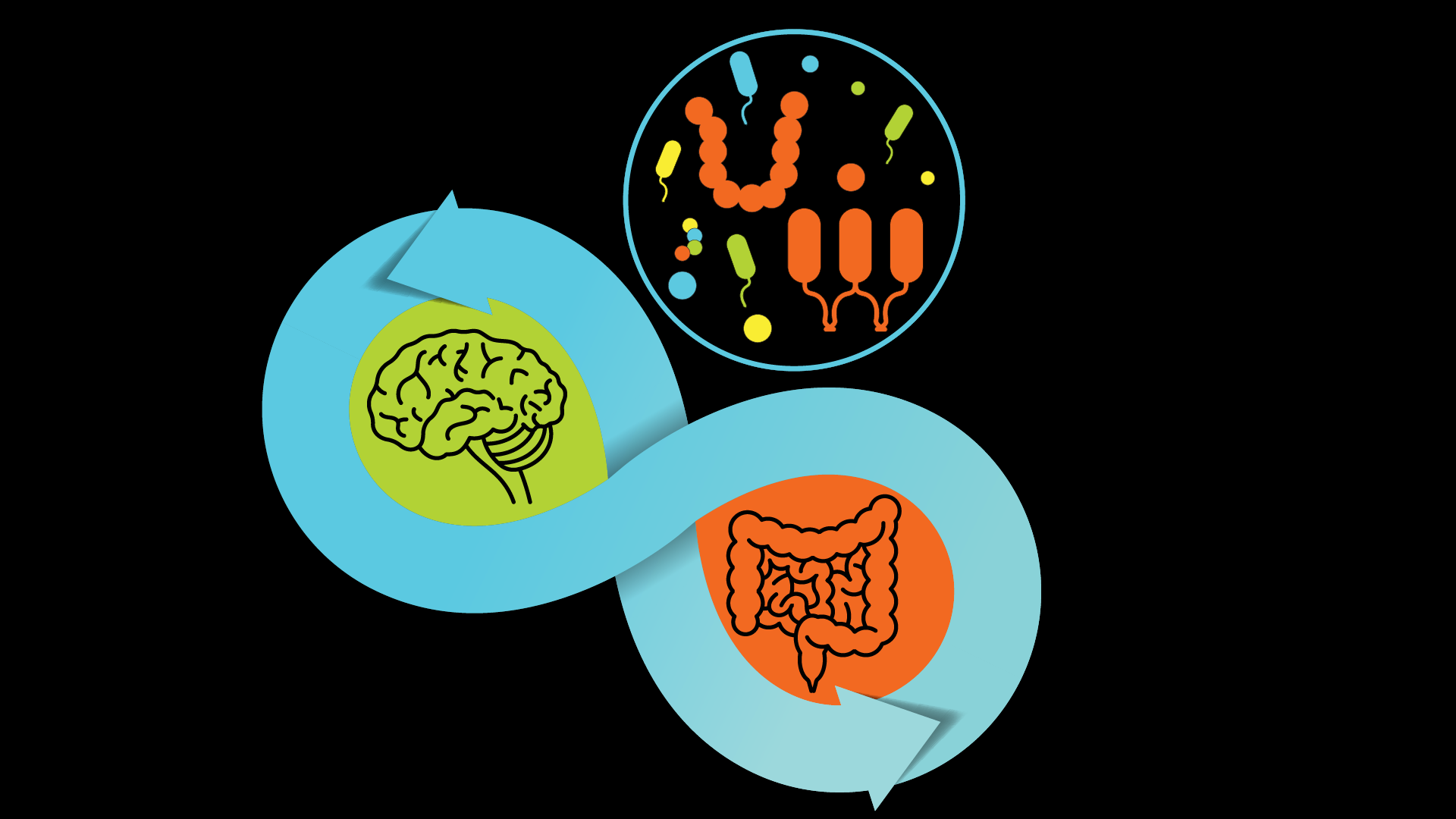
UW–Madison’s new Gnotobiotic Shared Resource (GSR) is expanding opportunities for researchers to study the microbiome in germ-free and gnotobiotic mouse models. The centralized facility was established with a $1 million gift from the Wisconsin Alumni Research Foundation (WARF) through the Office of the Vice Chancellor for Research’s Microbiome Initiative. The GSR was recently highlighted at the WID-hosted UW–Madison Microbiome Symposium, where this year’s “Gut-Brain Axis” theme reflected the work of many researchers using the facility to study how the gut microbiome may influence neurological function. “The GSR is an amazing gift to the campus,” says Wisconsin Institute for Discovery director and GSR user Jo Handelsman. “Relatively few campuses have gnotobiotic facilities for general use. Usually they are located in one research group which must coordinate their own training, personnel, and maintenance of colonies. The UW–Madison GSR makes possible new avenues of microbiome investigation for our researchers.”

Researchers Identify New Target in the Gut for Reducing Alzheimer’s risk
Nearly 10 years ago, Federico Rey, a Wisconsin Institute for Discovery Fellow and UW–Madison professor, helped lead research showing that the communities of microbes living in the intestines of people with Alzheimer’s disease differ from those of healthy people. Now, new research builds on that work by examining imidazole propionate, a common compound produced by gut bacteria, and finding that higher levels may contribute to dementia-related changes in the brain.

Undergraduate Researcher Explores How Viruses and Their Parasites Evolve Together
Viruses evolve quickly, often finding ways to escape antiviral drugs. A new study led by WID undergraduate Shiv Muthupandiyan explores whether new antiviral therapies could evolve alongside them. The research focuses on defective interfering particles, or DIPs, mutant viral particles that act as parasites of viruses. DIPs cannot reproduce on their own, so they use a virus’s replication machinery and consume resources inside infected cells, slowing viral growth. By modeling how viruses and DIPs adapt to one another over time, the study offers a new way to think about antiviral therapies that may be better able to resist viral escape.

Mel Hammond Uses Science to Shape Her Stories
WID’s new Writer in Residence, Mel Hammond, is passionate about capturing accurate scientific information and weaving it into YA books using language that feels credible and meaningful to young audiences. Her work shows how science can shape a story, deepen curiosity, and help young readers see the world in new ways.