
Stories
El Zoominario: giving a voice to Latinx scientists and inspiring the next generation
With the goal of highlighting Latinx scientists for other scientists as well as Latinx children, Solís-Lemus co-created El Zoominario, an online seminar series aimed at the general public.
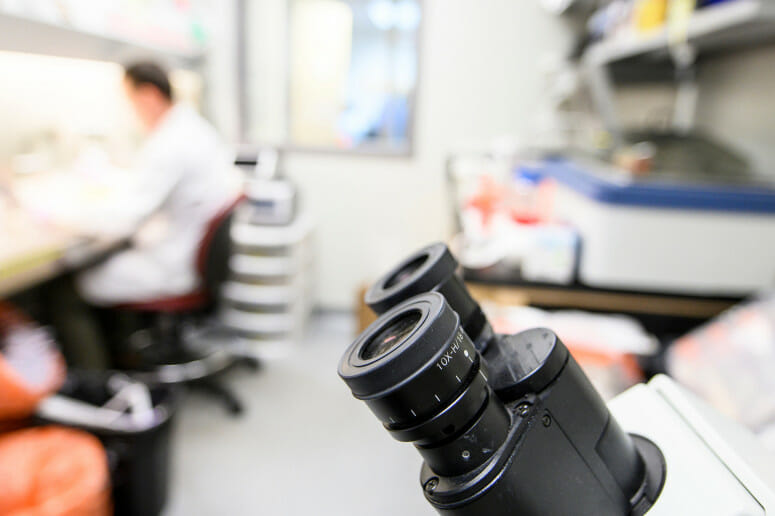
New nanoparticles deliver therapy brain-wide, edit Alzheimer’s gene in mice
Shaoqin "Sarah" Gong and her lab have developed a way to move therapies across the brain’s protective membrane to deliver brain-wide therapy with a range of biological medications and treatments.
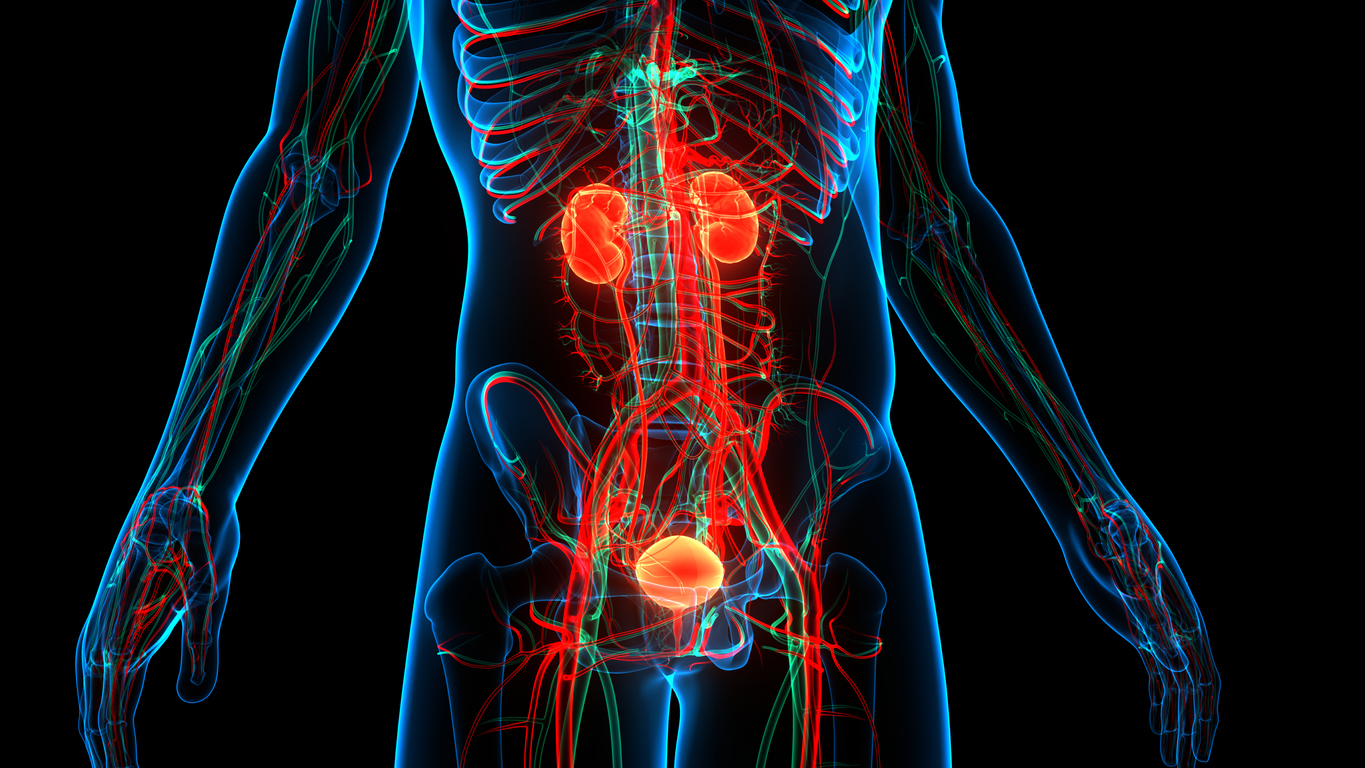
Yin is part of a grant to create and study a “digital twin” of the urinary tract
Yin and collaborating researchers are building the model to investigate how the nervous system and urinary tract are connected.
Drying process could be key step in the development of life
PhD student Hayley Boigenzahn and professor John Yin can explain how one of the potentially crucial early steps on the path of life could have happened. They published their findings in the Dec. 2022 issue of the journal Origins of Life and Evolution of Biospheres.
Announcements
24 Hours with WID
 The Wisconsin Institute for Discovery is abuzz 24 hours per day. From “eureka” moments in the middle of the night to methodical pipetting in the middle of the day, to gathering diverse ideas from across the globe in the early evening, something is always happening in our interdisciplinary sphere. Enjoy a sampling of the important work we do in each of these 24 hours and please come back periodically as we refresh with new profiles.
Follow Us
Learn more about the Wisconsin Institute for Discovery through quarterly newsletters and receive our annual report.