
Stories
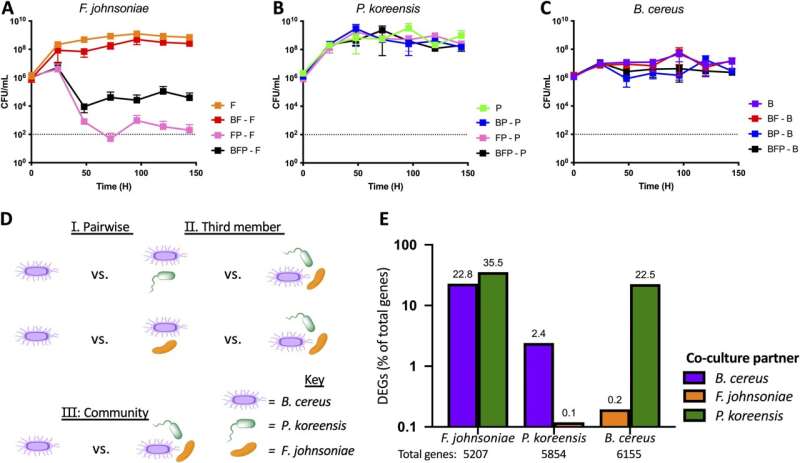
Decoding how bacteria talk with each other
UW–Madison researchers from Handelsman Lab have learned that a drastically scaled-down model of a microbial community makes it possible to observe some of the complex interactions.
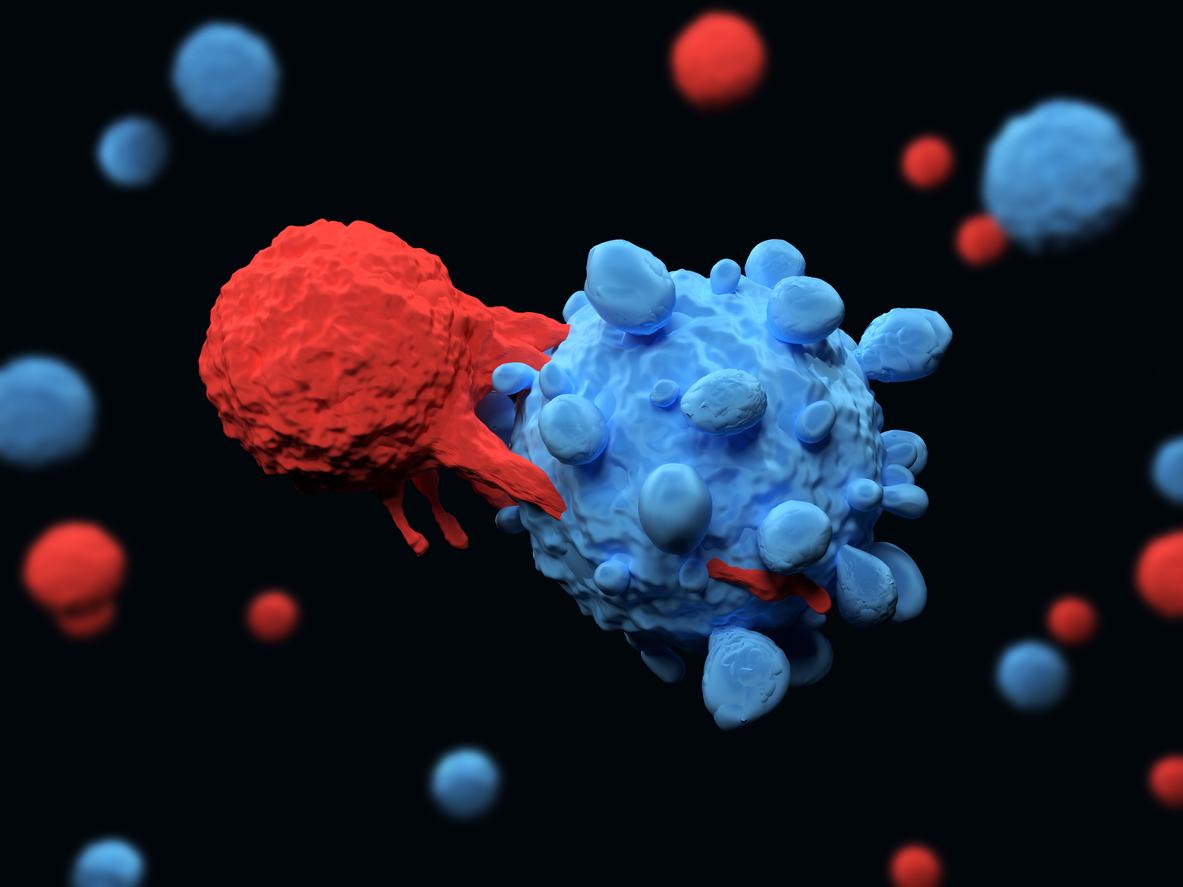
CRISPR-produced CAR T cells could better treat solid tumors
Dr. Krishanu Saha along with Dr. Christian Capitini, is working to produce CAR T cells that could deliver results in solid tumors, using gene editing rather than a viral method to manufacture them.
Ashton lab spinoff safeguards developing brain, spinal cord from toxic threats
Randolph Ashton, an associate professor of biomedical engineering, is co-founder of Neurosetta, a startup company built around technology for modeling human brain and spinal cord development that emerged from his research lab.
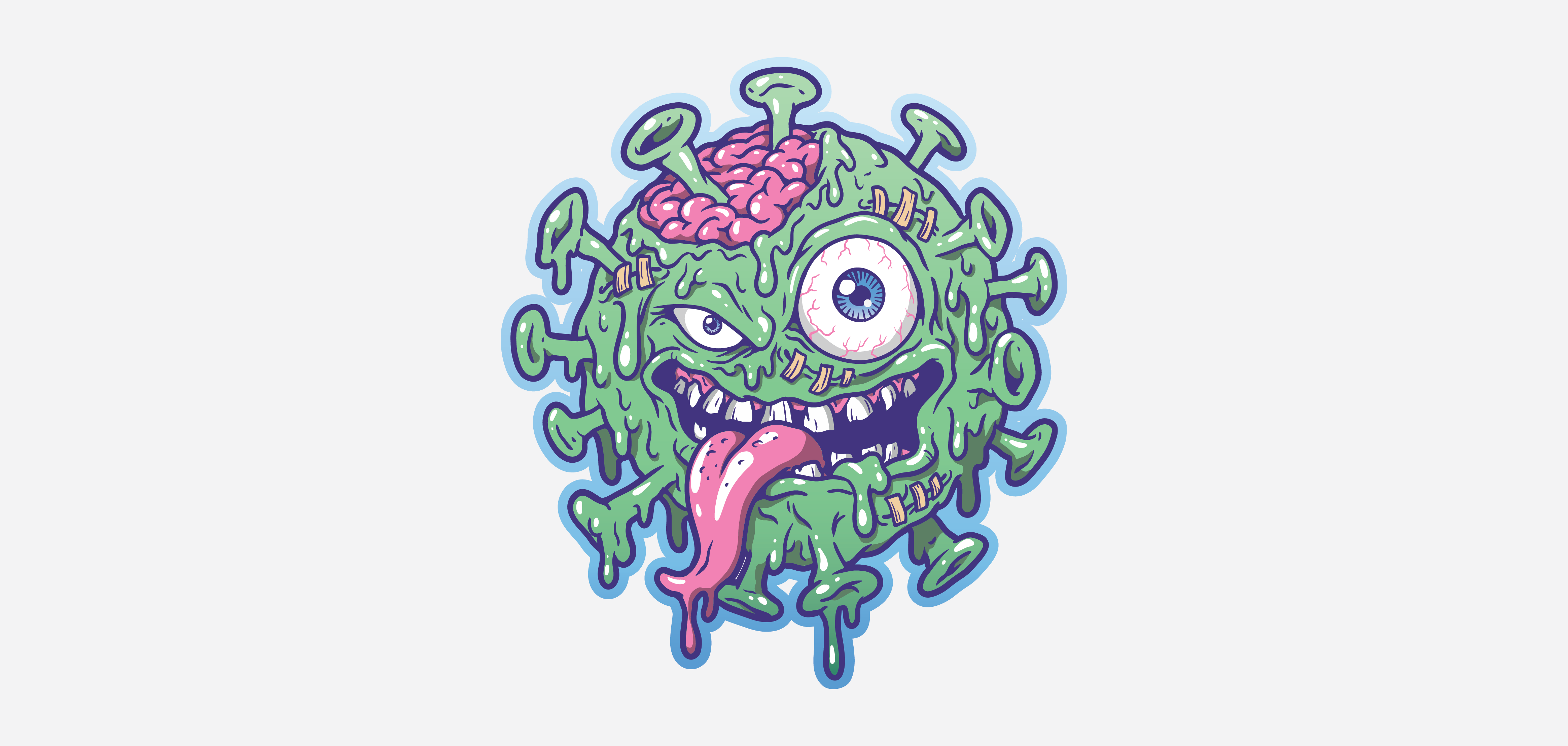
How Zombies Can Help Prevent the Next Pandemic
Incomplete viral genomes can quell disease and, with further research, could be turned into treatments. An opinion by John Yin for Scientific American.
Announcements
24 Hours with WID
 The Wisconsin Institute for Discovery is abuzz 24 hours per day. From “eureka” moments in the middle of the night to methodical pipetting in the middle of the day, to gathering diverse ideas from across the globe in the early evening, something is always happening in our interdisciplinary sphere. Enjoy a sampling of the important work we do in each of these 24 hours and please come back periodically as we refresh with new profiles.
Follow Us
Learn more about the Wisconsin Institute for Discovery through quarterly newsletters and receive our annual report.