
Talk about ideas, experiments, procedures, human interest. Much longer “shelf-life”
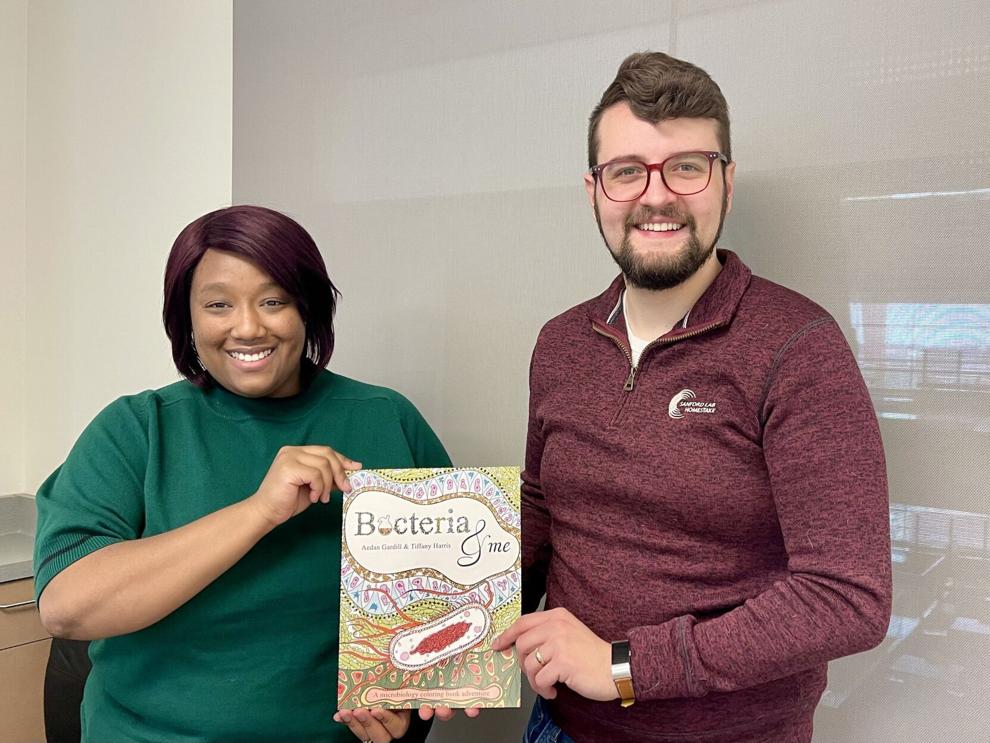
Learn about bacteria through UW-Madison Ph.D. students’ adult coloring book

2024-11-14T21:40:20-06:00

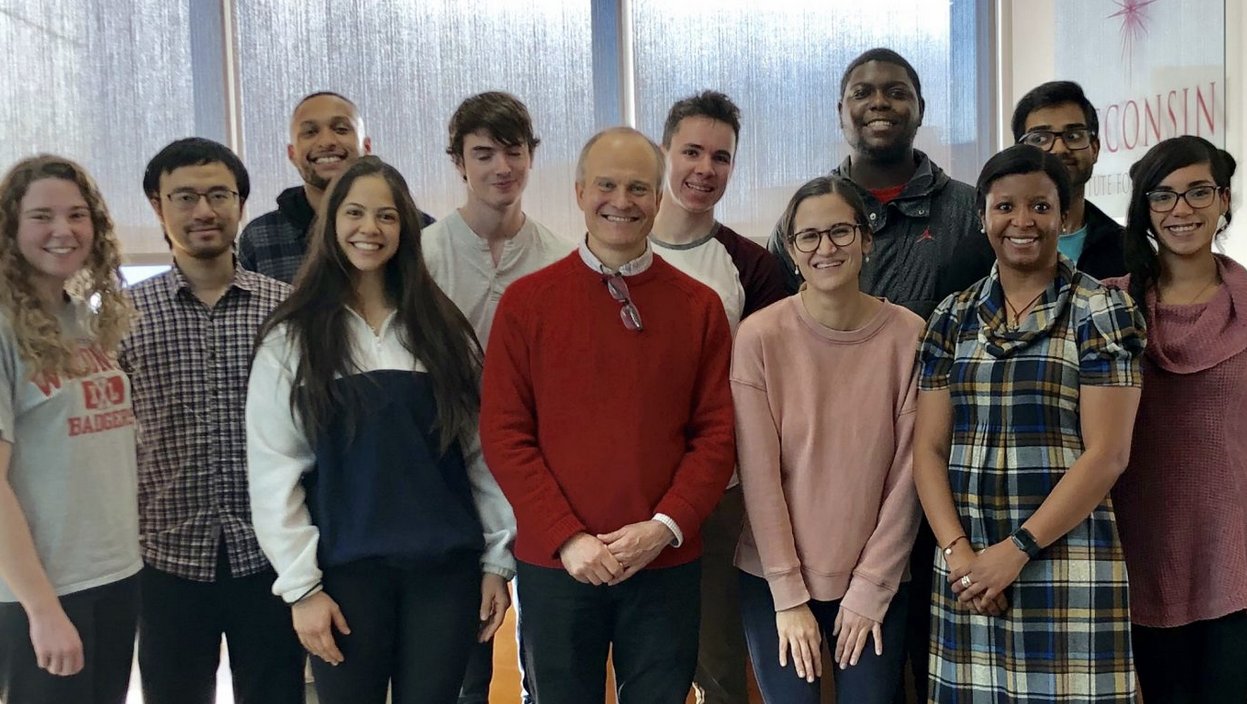
Tiffany Harris and Aedan Gardill want people to know that science doesn’t have to be boring.  The two students started working on the project in January as part of the Wisconsin Institute for Discovery’s Kohler fellowship. The program joins together graduate students in arts and science fields to create multidisciplinary projects. The two University of Wisconsin-Madison doctoral students completed their coloring book titled “Bacteria & Me” this month, hoping to pique audiences’ interest in learning about microbiology. 

Learn about bacteria through UW-Madison Ph.D. students’ adult coloring book2024-11-14T21:40:20-06:00

Label-free Imaging, Plus Data Science, Means Better Quality Control for Biomanufacturing Stem Cells

2024-11-14T21:41:41-06:00

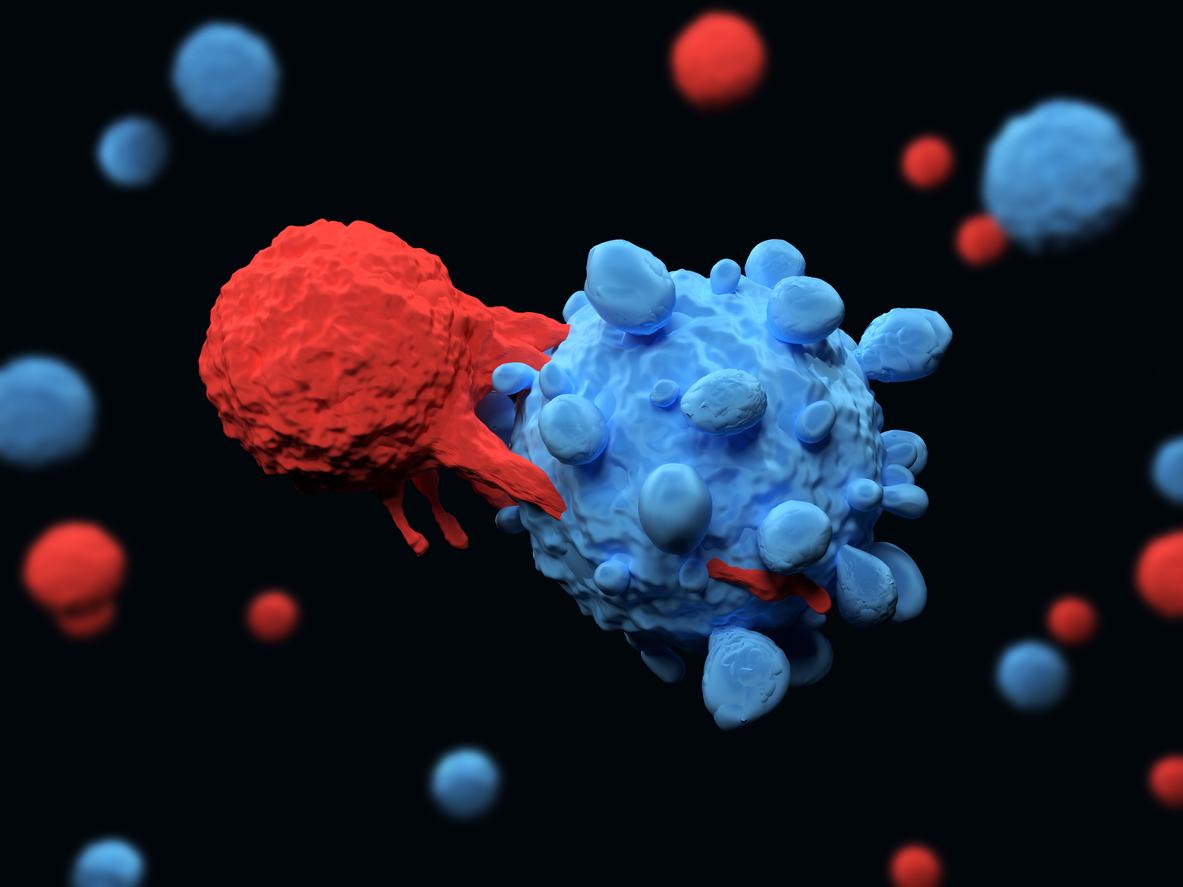
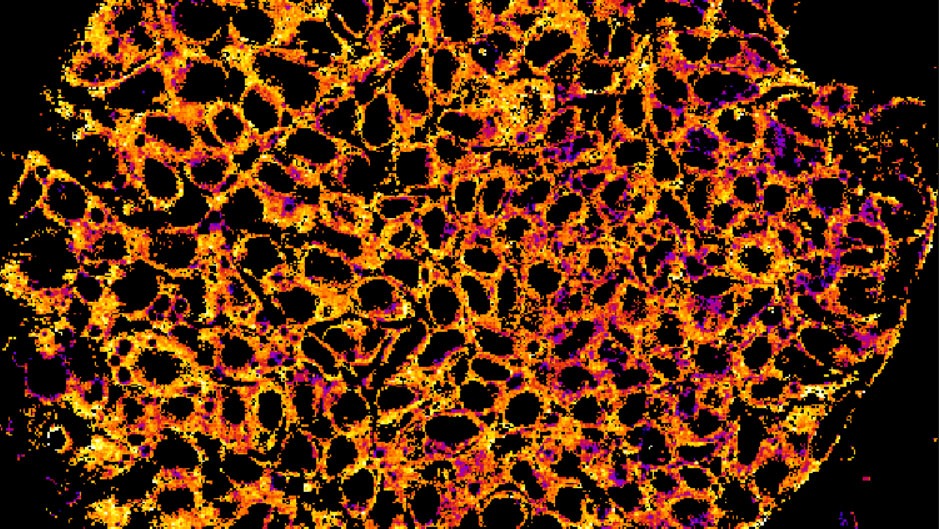
Krishanu Saha and Melissa Skala have devised an innovative method for reprogramming cells that leverages micropatterning, label-free imaging and machine learning to enable real-time, noninvasive monitoring of reprogramming. This method can be used to develop cutting-edge personalized therapies and disease models.

Label-free Imaging, Plus Data Science, Means Better Quality Control for Biomanufacturing Stem Cells2024-11-14T21:41:41-06:00

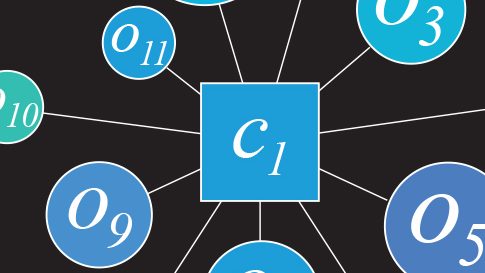
Finding Associations Between Colors and Concepts

2026-02-05T13:37:25-06:00

While looking at a graph about fruit, it may seem intuitive to associate a bar of blue to blueberries and yellow to bananas, but are there connections between color and abstract concepts such as driving, comfort, efficiency, or reliability?   Understanding how people absorb meaning from visual features, and predicting the meaning they attribute to color in any context is filled with possibility.

Finding Associations Between Colors and Concepts2026-02-05T13:37:25-06:00

Faces of Data Science

2024-11-14T21:44:15-06:00

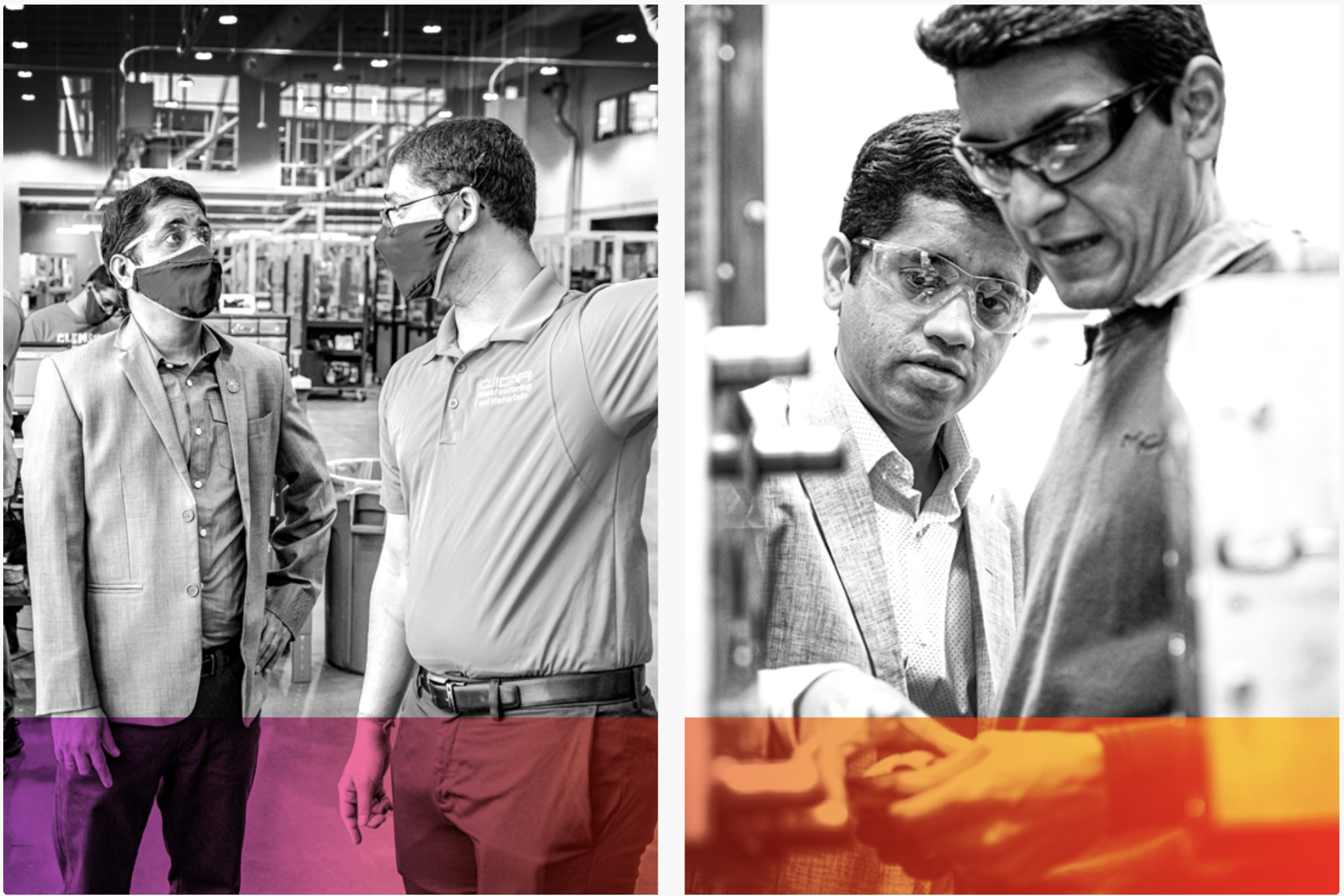
In Faces of Data Science, we meet members of the data science community in fields from business, engineering and medicine to limnology, geography and biology, including WID faculty,Stephen Wright and Michael Ferris.

Faces of Data Science2024-11-14T21:44:15-06:00

Science Explains Why We Have Favorite Colors

2024-11-14T21:44:28-06:00

Through a series of lab studies between 2010 and 2017, Karen Schloss, PhD and her collaborator, Stephen Palmer PhD, a researcher at UC Berkeley, set out to find out why we like certain colors more than others. They hypothesized the Ecological Valence Theory (EVT), which they describe in their 2017 paper as the theory that "...people like/dislike a given color to the degree that they like/dislike all of the objects and entities that they associate with that color."

Science Explains Why We Have Favorite Colors2024-11-14T21:44:28-06:00

New way to alter DNA, affect health circumvents gut bacteria

2024-11-14T21:44:41-06:00

In a new study, the John Denu lab has learned that the fatty acids butyrate and propionate also activate p300, a crucial human enzyme that promotes the unspooling of DNA. This unwound DNA allows more genes to become active and expressed, which ultimately affects human health.

New way to alter DNA, affect health circumvents gut bacteria2024-11-14T21:44:41-06:00

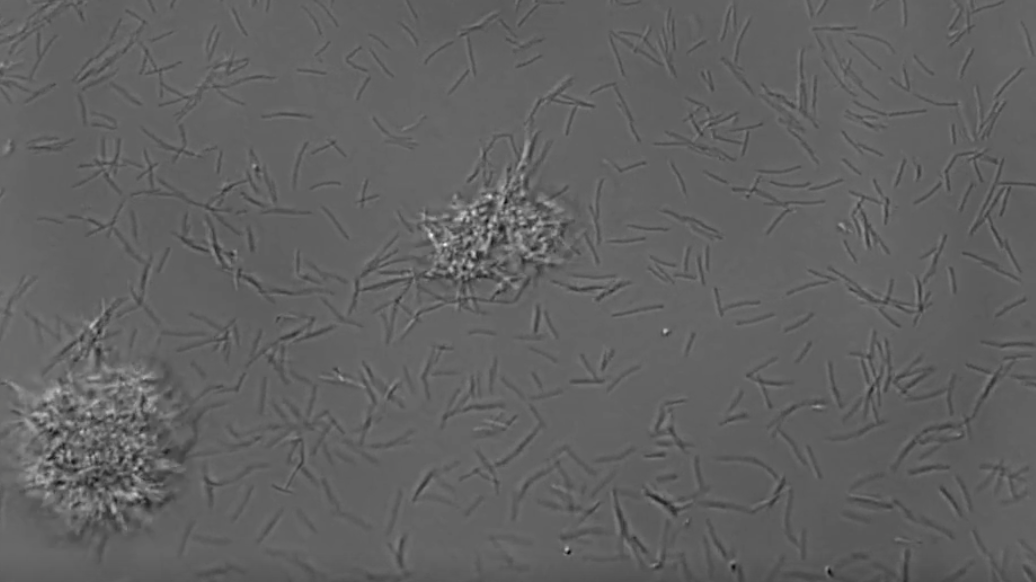
Bacterial “zorbing” reveals a new type of social movement

2024-11-15T12:04:59-06:00

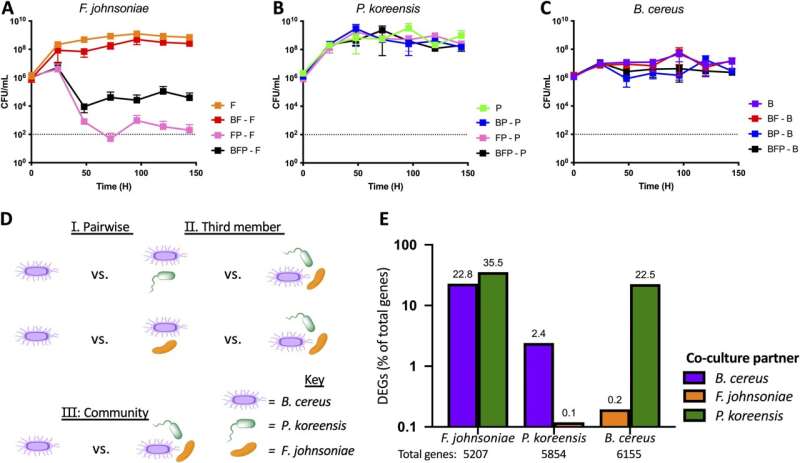
While studying the three-member model microbial community, nicknamed The Hitchhikers of the Rhizosphere (THOR), researchers from professor of plant pathology and director of the Wisconsin Institute for Discovery Jo Handelsman and professor of biomedical engineering and Discovery Fellow David Beebe’s labs noticed cells moving in unexpected, unique ways under the microscope.

Bacterial “zorbing” reveals a new type of social movement2024-11-15T12:04:59-06:00

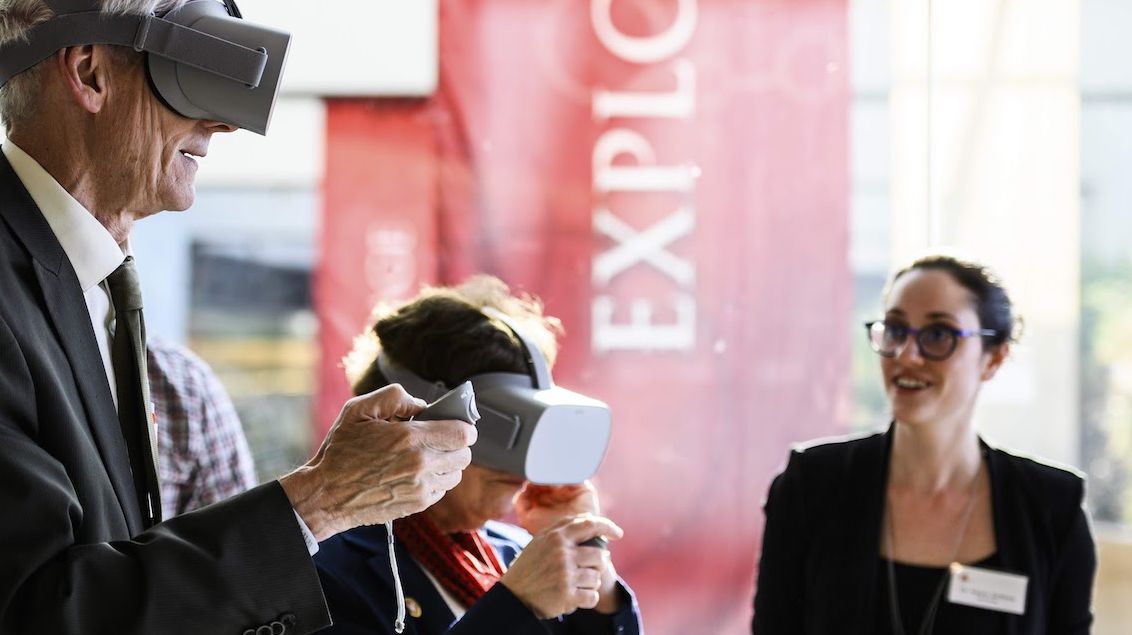
Researchers use virtual reality to demonstrate effectiveness of 3D visualization as a learning tool

2025-02-17T15:49:34-06:00

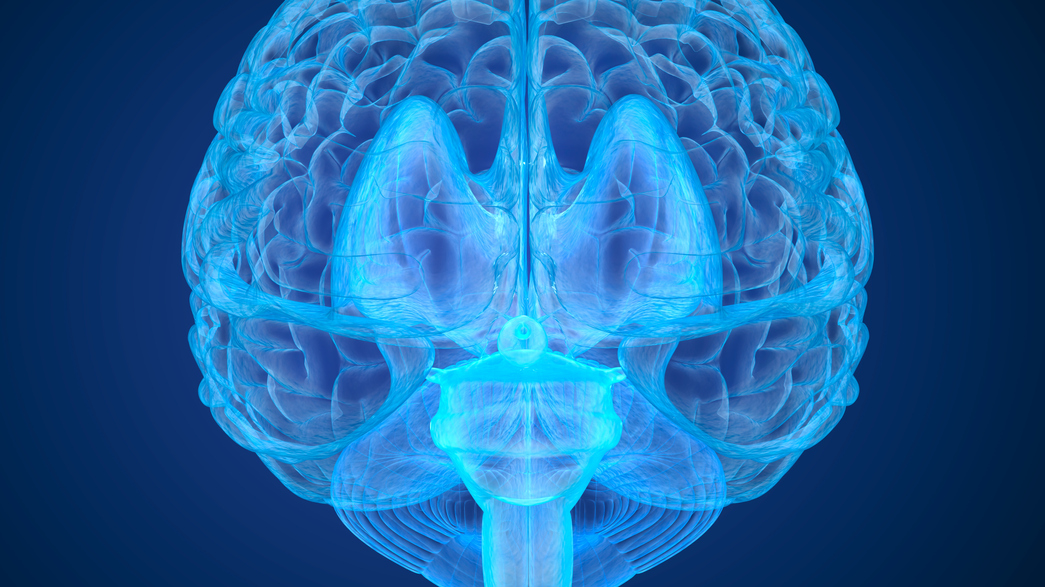
Researchers from the Neuroimaging Center at NYU Abu Dhabi (NYUAD) and Dr. Karen Schloss from Wisconsin Institute for the Discovery at University Wisconsin-Madison have developed the UW Virtual Brain Project, producing unique, interactive, 3D narrated diagrams to help students learn about the structure and function of perceptual systems in the human brain.

Researchers use virtual reality to demonstrate effectiveness of 3D visualization as a learning tool2025-02-17T15:49:34-06:00

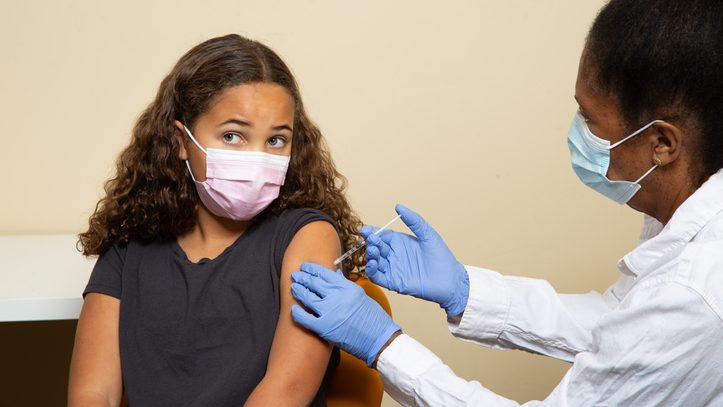
Research aims to give everyone a fair shot at accessing COVID-19 vaccines

2024-11-14T21:48:21-06:00

WID researcher, Michael Ferris, John P. Morgridge Professor of Computer Sciences and Corey Jackson, assistant professor at the UW–Madison Information School in CDIS, are developing a vaccine fairness recommendation engine that will support equitable decision making about vaccination.

Research aims to give everyone a fair shot at accessing COVID-19 vaccines2024-11-14T21:48:21-06:00

Molecular Puzzles in 3D: Understanding a Mechanism for Methylation

2025-01-27T14:53:02-06:00

A new publication from the Xuehua Zhong’s group at the Wisconsin Institute for Discovery and the genetics department at the University of Wisconsin–Madison clarifies an important epigenetic mechanism in plants that will help researchers better understand the epigenomes of both plants and animals.

Molecular Puzzles in 3D: Understanding a Mechanism for Methylation2025-01-27T14:53:02-06:00

Micro-Molded ‘Ice Cube Tray’ Scaffold is Next Step in Returning Sight to Injured Retinas

2024-11-14T21:49:43-06:00

WID's Sarah Gong is part of a team that developed a micro-molded scaffolding photoreceptor "patch" to be implanted under damaged or diseased retinas, the next step in restoring sight.

Micro-Molded ‘Ice Cube Tray’ Scaffold is Next Step in Returning Sight to Injured Retinas2024-11-14T21:49:43-06:00

UW Engineers and Vision Researchers Develop Stem-cell Therapy for Combat-related Eye Injuries

2024-11-14T21:53:40-06:00

Using a microscopic retinal patch, researchers at the University of Wisconsin‒Madison will develop and test a new way to treat United States military personnel blinded in combat with help from engineers including WID's Sarah Gong.

UW Engineers and Vision Researchers Develop Stem-cell Therapy for Combat-related Eye Injuries2024-11-14T21:53:40-06:00
Go to Top