
Talk about ideas, experiments, procedures, human interest. Much longer “shelf-life”

Mastodons, Brains, and a View of Mars: How the Wisconsin Science Festival Helps Bring Kids and Science Together

2024-11-14T22:14:59-06:00

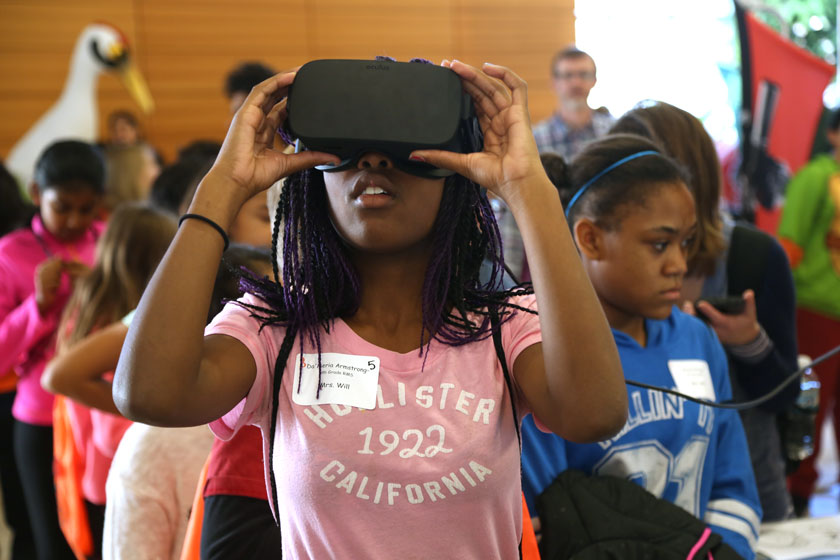
The Wisconsin Science Festival was a roaring success, with every corner of the Discovery Building containing something for people to see, hear, touch or manipulate.

Mastodons, Brains, and a View of Mars: How the Wisconsin Science Festival Helps Bring Kids and Science Together2024-11-14T22:14:59-06:00

Scientists Struggle with Sexism and Racism: ‘We Think These Bias Studies Don’t Apply to Us’

2024-11-14T22:15:12-06:00

The Washington Post writes about the harsh realities faced by women and minorities in science presented by WID Director Jo Handelsman at the Society for Neuroscience conference in Washington, D.C.

Scientists Struggle with Sexism and Racism: ‘We Think These Bias Studies Don’t Apply to Us’2024-11-14T22:15:12-06:00

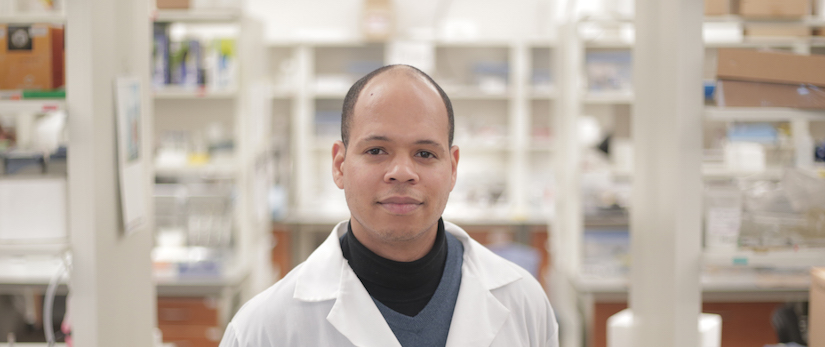
Randolph Ashton Continues Research into Causes of Lou Gehrig’s Disease

2024-11-14T22:15:22-06:00

In August 2017, Randolph Ashton received almost $800,000 from the National Institute of Neurological Disorders and Stroke, part of NIH, to continue a five-year research study of Lou Gehrig’s disease (amyotrophic lateral sclerosis, or ALS), after successfully completing its first phase.

Randolph Ashton Continues Research into Causes of Lou Gehrig’s Disease2024-11-14T22:15:22-06:00

Communication and Policy the Focus of Two Science Festival Events

2024-11-14T22:15:35-06:00

WID Director Jo Handelsman and the Catalysts for Science Policy were instrumental in assembling fantastic panels for mini-symposia about science policy and science communication geared toward graduate students, postdocs, and faculty but open to anyone interested in science.

Communication and Policy the Focus of Two Science Festival Events2024-11-14T22:15:35-06:00

Weaning Crops from Nitrogen Fertilizers: Examining Evolution’s Innovations

2024-11-14T22:15:51-06:00

WID researcher Sushmita Roy and collaborators at UW­–Madison and the University of Florida will use a $7 million grant from the U.S. Department of Energy to study how some plants partner with bacteria to create usable nitrogen and to transfer this ability to the bioenergy crop poplar.

Weaning Crops from Nitrogen Fertilizers: Examining Evolution’s Innovations2024-11-14T22:15:51-06:00

The “Icing” on the DNA

2024-11-14T22:16:54-06:00

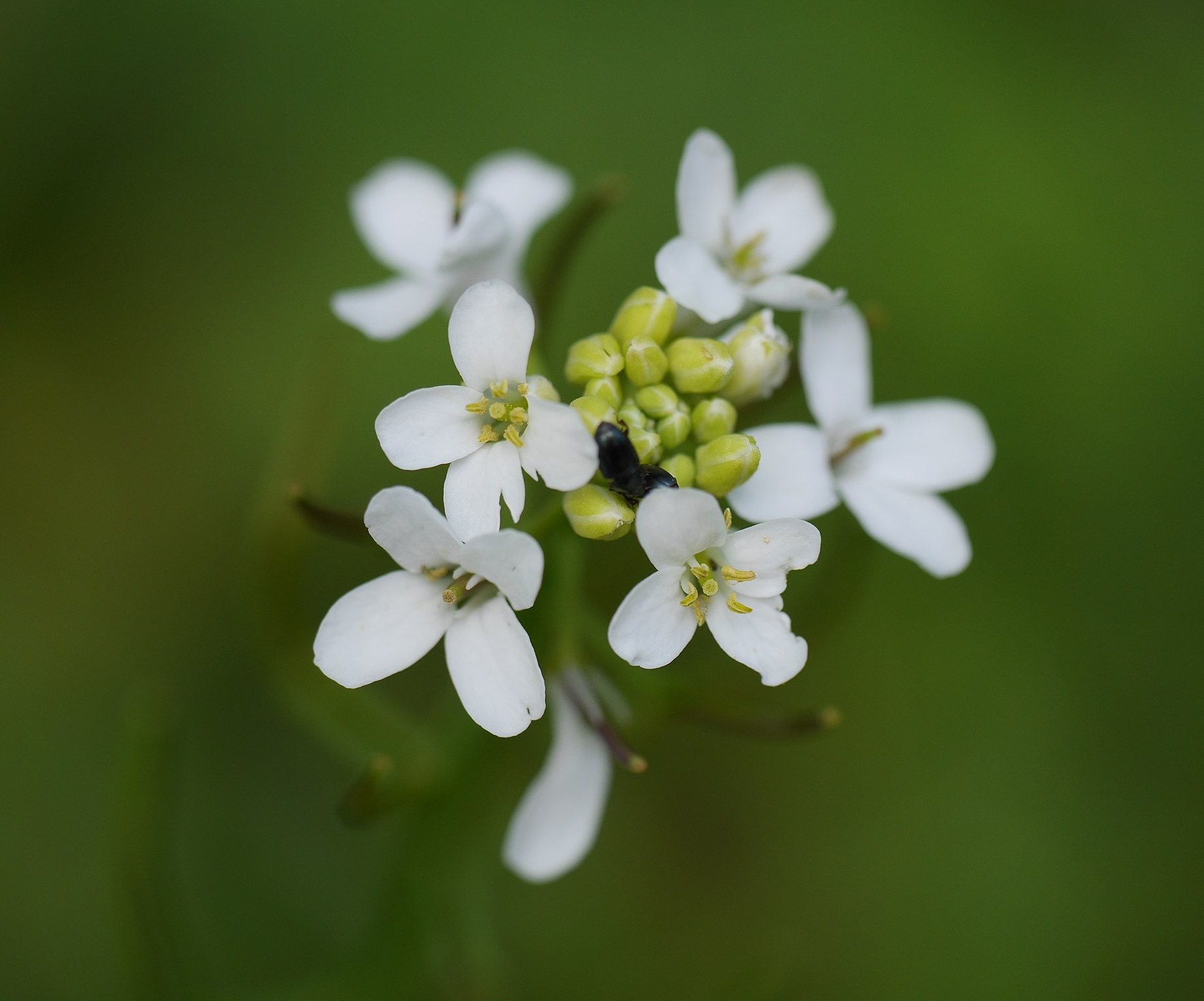
Xuehua Zhong recently received an outstanding investigator award from NIH via the Maximizing Investigators' Research Award (MIRA) mechanism to support her research. She talked about how she uses plants to study epigenetics in an interview with Grow magazine.

The “Icing” on the DNA2024-11-14T22:16:54-06:00

Connecting the Dots: a New Method to Understand Cell Type Transitions

2025-01-27T14:49:18-06:00

Wisconsin Institute for Discovery (WID) researchers Rupa Sridharan and Sushmita Roy are combining their expertise in regenerative biology and computational biology to better understand how cells transition from one type to another through gene regulation.

Connecting the Dots: a New Method to Understand Cell Type Transitions2025-01-27T14:49:18-06:00

Machine Learning Can Detect a Genetic Disorder from Speech Recordings

2024-11-14T22:17:35-06:00

Machine learning is a form of artificial intelligence by which algorithms are "trained" to analyze new information using existing data. Researchers are using it to identify individuals with a genetic condition known as fragile X premutation.

Machine Learning Can Detect a Genetic Disorder from Speech Recordings2024-11-14T22:17:35-06:00

Researchers Wield New Technology to Preserve Old Places and Cultural Heritage

2025-01-27T14:27:02-06:00

Systems programmer Ross Tredinnick led an effort to create a 3D virtual replica of the Norway Building near Mount Horeb, WI before its disassembly in 2015. Visitors to the new Driftless Historium can experience it starting June 3.

Researchers Wield New Technology to Preserve Old Places and Cultural Heritage2025-01-27T14:27:02-06:00

You may also like … Algorithms that improve drug discovery

2024-11-14T22:18:24-06:00

WID researchers Stephen Wright and Robert Nowak are part of a UW2020: WARF Discovery Initiative project to create machine learning tools that dramatically reduce the time and cost associated with screening compounds for therapeutic relevance.

You may also like … Algorithms that improve drug discovery2024-11-14T22:18:24-06:00

Phenotypic variability and community interactions of germinating Streptomyces spores

2025-01-27T14:21:01-06:00

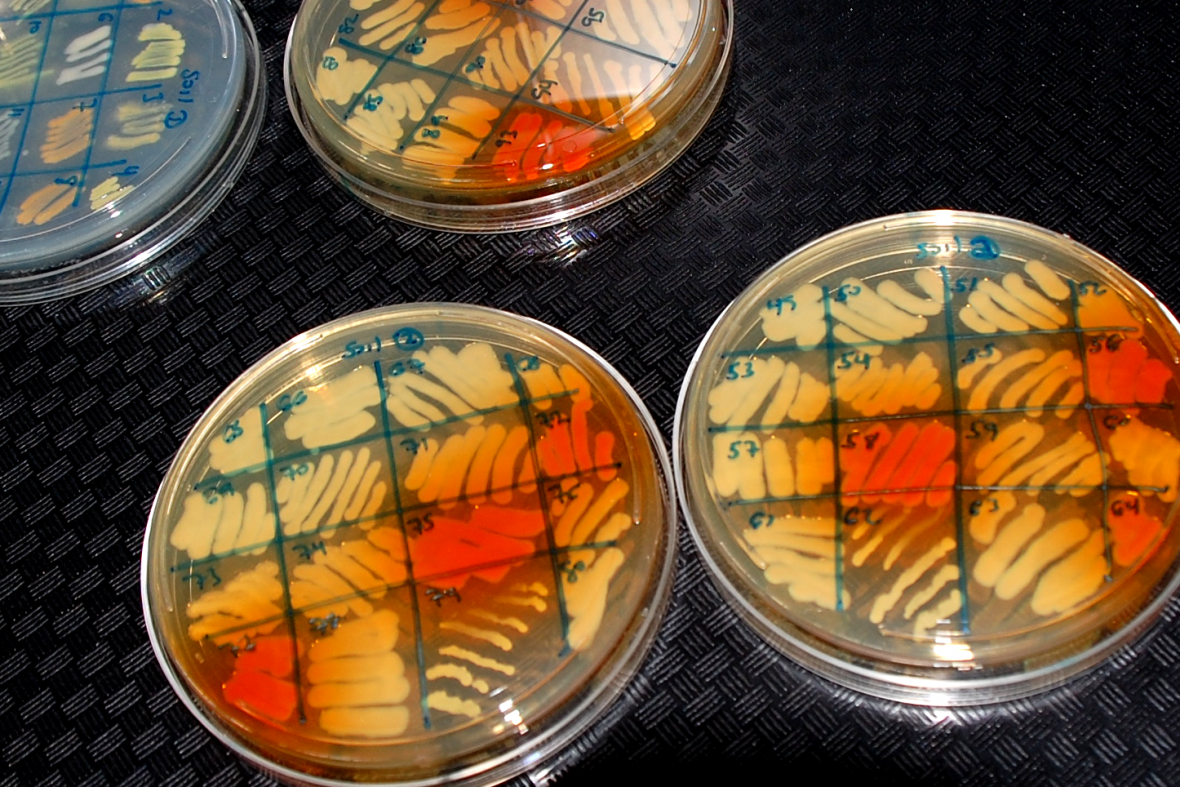
Systems Biology researcher Kalin Vetsigian and graduate student Ye Xu recently published findings in Nature's Scientific Reports about the stochasticity of growth within Streptomycetes spore communities.

Phenotypic variability and community interactions of germinating Streptomyces spores2025-01-27T14:21:01-06:00

Superior Plastic Parts

2024-11-14T22:20:48-06:00

Lih-Sheng (Tom) Turng and Xiaofei Sun have developed a new method to create foamed, injection-molded plastic blends with significantly increased toughness and ductility compared to conventional foamed parts.

Superior Plastic Parts2024-11-14T22:20:48-06:00

Gut bugs affect DNA expression

2024-11-14T22:22:02-06:00

The podcast "Is DNA the Basis for all Life in the Universe?" produced by The Naked Scientists, an affiliate of the BBC at Cambridge University features John Denu speaking of his recent findings on how the gut microbiome affects DNA expression.

Gut bugs affect DNA expression2024-11-14T22:22:02-06:00
Go to Top