
Talk about ideas, experiments, procedures, human interest. Much longer “shelf-life”
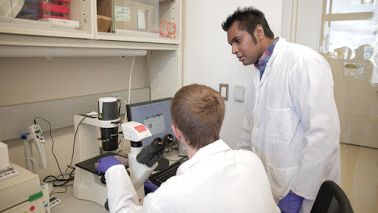
Serendipity reveals new method to fight cancer with T cells

2024-11-22T14:40:55-06:00

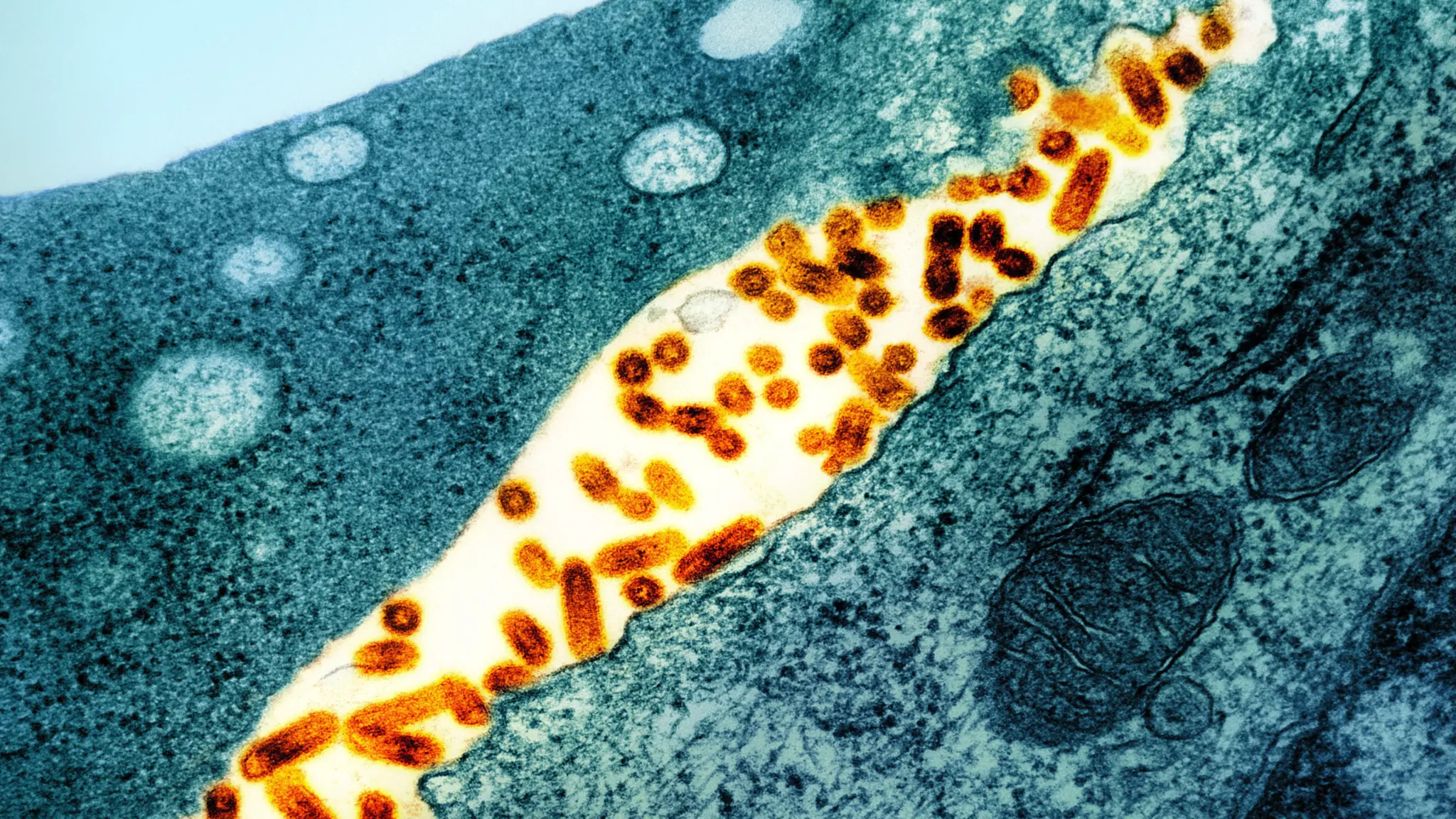
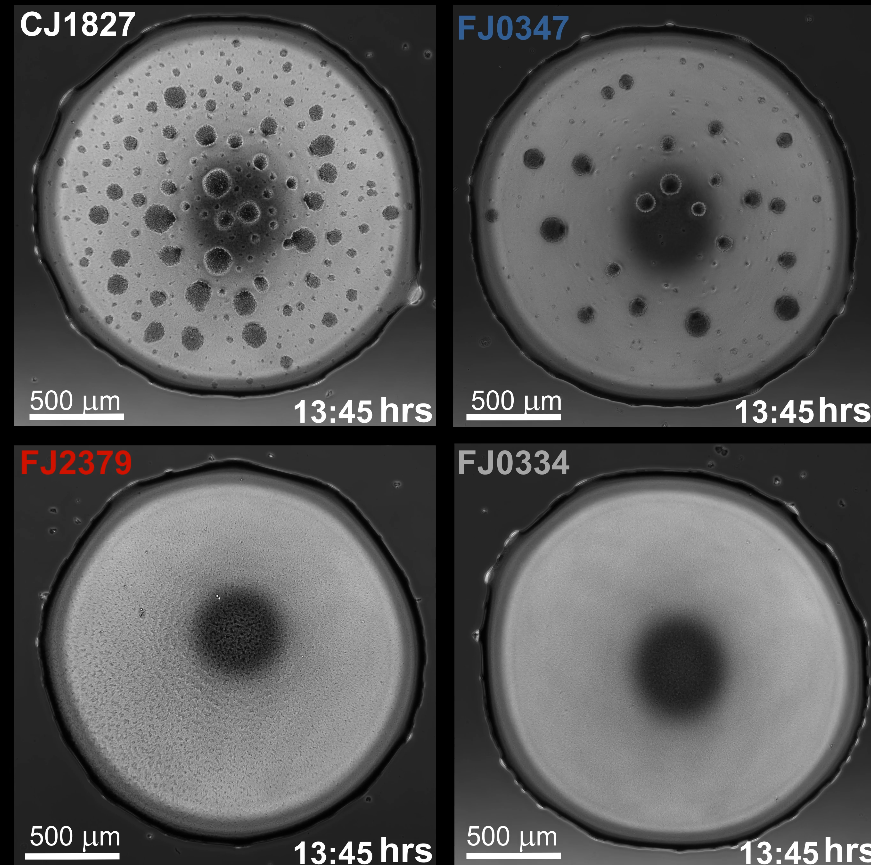
A promising therapy that treats blood cancers by harnessing the power of the immune system to target and destroy cancer cells could now treat solid tumors more efficiently. Thanks to a recent study from Dan Cappabianca and Krishanu Saha at the Department of Biomedical Engineering and the Wisconsin Institute for Discovery published in Molecular Therapy – Methods & Clinical Development, Chimeric Antigen Receptor (CAR) T-cell therapy can be improved by altering the conditions the T cells are grown in. And it was all discovered by chance.
Serendipity reveals new method to fight cancer with T cells2024-11-22T14:40:55-06:00

Researchers Develop Advanced Gene Editing Techniques to Boost T Cells in Cancer Treatment 

2024-11-14T20:38:46-06:00

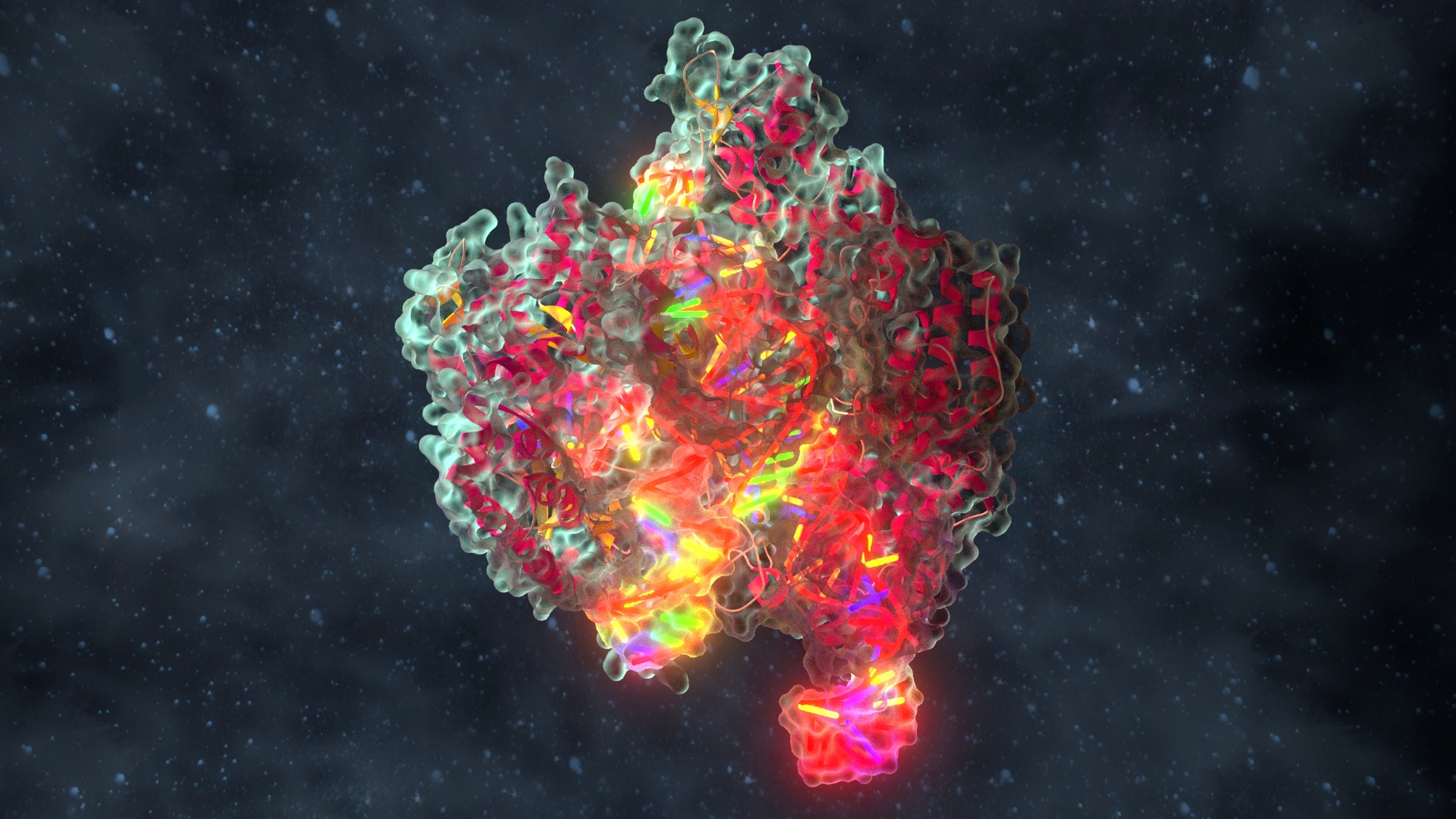
A new study from the Krishanu Saha lab suggests using CRISPR technology to optimize natural immune responses by bioengineering and remodeling T cells. Using a multiplexing technique, the team addresses key challenges in current cancer therapies that could significantly improve treatment outcomes. "We have developed a new way to engineer immune cells to fight cancer more safely and effectively. Think of it as reprogramming the body’s own soldiers (T cells) to recognize and attack cancer cells," says Cappabianca.

Researchers Develop Advanced Gene Editing Techniques to Boost T Cells in Cancer Treatment 2024-11-14T20:38:46-06:00

Through undergraduate research, engineer predicts the path, impact of viral mutations

2024-11-14T20:44:58-06:00

Schwab joined the lab of John Yin, a professor of chemical and biological engineering at the Wisconsin Institute for Discovery. That decision led Schwab to a three-year research career that has culminated in the publication of a new paper in the journal Virus Evolution.

Through undergraduate research, engineer predicts the path, impact of viral mutations2024-11-14T20:44:58-06:00

Stem cell technology developed at UW–Madison leads to new understanding of Autism risks

2024-11-14T20:45:31-06:00

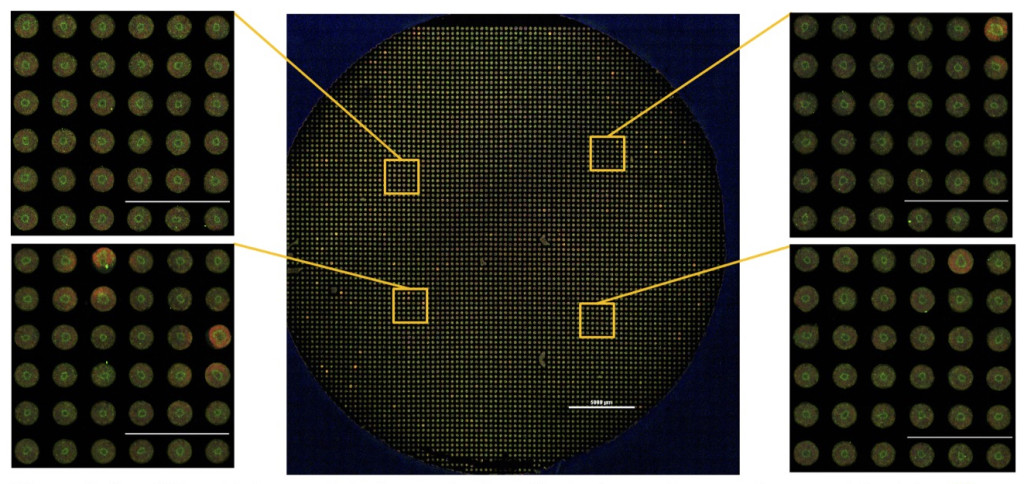
Technology developed at the University of Wisconsin–Madison to grow “rosettes” of brain and spinal tissue gives scientists new ways to study the growing human brain, including a recent study of how genetic mutations linked to autism affect early stages of human brain development. “This technology gives us access to an embryonic model of human central nervous system development that we would otherwise not have access to,” says Randolph Ashton, WID researcher.

Stem cell technology developed at UW–Madison leads to new understanding of Autism risks2024-11-14T20:45:31-06:00

Tiny Earth Winter Symposium at Lambeau Field offers giant perspective on antibiotic discovery

2024-11-14T20:45:48-06:00

Students from areas across the state and nation will present their findings at the Tiny Earth in Titletown research symposium in the Lambeau Field Atrium on Monday, December 11, 2023. The event will showcase the collaborative and innovative efforts of students across the state, working together to mitigate the global public health crisis of antibiotic resistance. "“It’s a great opportunity to showcase the value of partnerships to mitigate large problems to a wide audience," says UW-Green Bay Biology Prof. Brian Merkel, teacher of the course at UW-Green Bay and chair of the event.

Tiny Earth Winter Symposium at Lambeau Field offers giant perspective on antibiotic discovery2024-11-14T20:45:48-06:00

Artificial Imagination: Exploring the Convergence of Arts and AI

2024-11-22T13:45:59-06:00

Division of the Arts Director Chris Walker helms this year’s installment of the popular “Big Ideas for Busy People” event “Am AI Art Too? – How AI is Transforming the Creative Process.” Walker will explore how rapid technological advancements have propelled art and creative expression into new territory on Tuesday night, October 17.

Artificial Imagination: Exploring the Convergence of Arts and AI2024-11-22T13:45:59-06:00

L. lactis: The Unsung Hero of Wisconsin’s World-Famous Cheese

2024-11-15T11:01:38-06:00

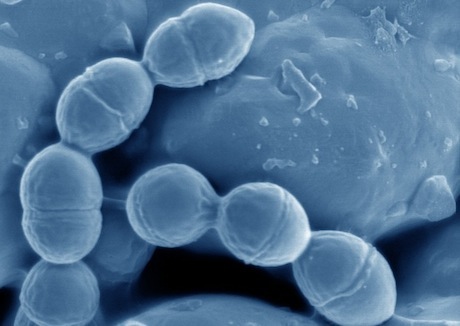
CaSP is bringing awareness a hardworking microbe Lactococcus lactis, which is the bacterium used to make cheese. Join policymakers, scientists, dairy, and industry leaders for a night showcasing Wisconsin's overlooked hero and hear why Wisconsin should designate L. lactis as its official state microbe on October 24, at 5:00 PM at the Discovery Building. This event is free and open to the public.

L. lactis: The Unsung Hero of Wisconsin’s World-Famous Cheese2024-11-15T11:01:38-06:00

Genetic Symphonies: The Building Hox of Life

2024-11-14T21:23:43-06:00

The Marie Christine Kohler Fellows are proud to announce the opening of the “Genetic Symphonies: The Building Hox of Life” exhibit, currently located at the UW–Madison Genetics Department. Graduate students Katharine Hubert and Sharon Tang created the interactive Art+Science Fusion exhibit at UW Makerspace during their participation in the Marie Christine Kohler Fellowship at the Wisconsin Institute of Discovery (WID).

Genetic Symphonies: The Building Hox of Life2024-11-14T21:23:43-06:00

Connecting Climate Change and the Soil-Loss Crisis

2024-11-14T21:24:47-06:00

Climate Change Coalition of Door County is focusing on soil during its 10th-anniversary celebration, The World We Make and is excited to have Dr. Handelsman as the event’s guest and speaker on September 20th n Bailey's Harbor, WI. She will talk about soil's role as a powerful carbon reducer, sustainable farming policies and practices to reduce soil erosion.

Connecting Climate Change and the Soil-Loss Crisis2024-11-14T21:24:47-06:00

Computational tool helps uncover gene networks of cell fate

2024-11-14T21:25:03-06:00

New computation tools described in a recent study published in Nature Communications, may provide key insights that will aid researchers to construct a more precise view of what drives cellular identity. “We are trying to understand the causal mechanisms of how cells transition from one state, e.g., a pluripotent state to a more differentiated state, e.g. a skin or nerve cell and vice versa. We want to know how different normal cell types emerge and what might lead to cells becoming aberrant.” says Sushmita Roy. To gain such an understanding “we are developing computational tools that can integrate large-scale molecular profiles measured for each individual cell in a population of thousands of cells to define these GRNs” says Roy.

Computational tool helps uncover gene networks of cell fate2024-11-14T21:25:03-06:00

New Downtown Mural Celebrates World Beneath Our Feet

2025-01-27T10:44:48-06:00

WID's Science to Street Art proudly announces the completion of a vibrant new mural in downtown Madison. Wisconsin artist Kiba Freeman, designed and painted the science art fusion mural entitled "Carbon Cycle." The mural is available for all to see on 318 West Gorham Street, Madison WI.

New Downtown Mural Celebrates World Beneath Our Feet2025-01-27T10:44:48-06:00

Can solar power and farming coexist? This partnership between UW, Alliant aims to find a way

2024-11-14T21:26:06-06:00

WID Discovery Fellow, Josh Arnold is working with Alliant Energy to design a 2.25-megawatt solar farm on its Kegonsa Research Campus near Stoughton as a laboratory for a multi-disciplinary study of agrivoltaics — the co-location of solar energy and agriculture.

Can solar power and farming coexist? This partnership between UW, Alliant aims to find a way2024-11-14T21:26:06-06:00

Bacteria with a taste for an inflammatory compound could help protect against heart disease

2024-11-14T21:26:36-06:00

Discovery Fellow, Federico Rey and colleagues identified bacteria able to break down uric acid in the low-oxygen environment of the intestines and the specific genes that enable the process.

Bacteria with a taste for an inflammatory compound could help protect against heart disease2024-11-14T21:26:36-06:00

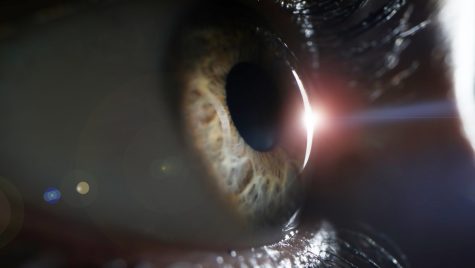
UW researchers will trial gene editing therapy to treat blindness

2024-11-14T21:27:11-06:00

Research led by researchers at UW–Madison will leverage new ways of delivering drug therapies through nanotechnology with advanced genome CRISPR technology to innovate new treatments for two hereditary diseases that cause blindness.

UW researchers will trial gene editing therapy to treat blindness2024-11-14T21:27:11-06:00

Federal Earmark Expands Student-led Search for New Antibiotics

2024-11-14T21:29:25-06:00

Scientists worldwide are using authentic research experiences to engage college students in discovering new antibiotics. The Tiny Earth initiative, based at the Wisconsin Institute of Discovery, has already trained thousands of students in 30 countries. Congressionally Directed Community Project Funds will now provide $1 million to expand the program and reach even more students. This was part of the $1.7 trillion federal spending package that was signed into law by President Biden in December 2022.

Federal Earmark Expands Student-led Search for New Antibiotics2024-11-14T21:29:25-06:00

El Zoominario: giving a voice to Latinx scientists and inspiring the next generation

2024-11-14T21:31:12-06:00

With the goal of highlighting Latinx scientists for other scientists as well as Latinx children, Solís-Lemus co-created El Zoominario, an online seminar series aimed at the general public.

El Zoominario: giving a voice to Latinx scientists and inspiring the next generation2024-11-14T21:31:12-06:00

New nanoparticles deliver therapy brain-wide, edit Alzheimer’s gene in mice

2024-11-14T21:31:27-06:00

Shaoqin "Sarah" Gong and her lab have developed a way to move therapies across the brain’s protective membrane to deliver brain-wide therapy with a range of biological medications and treatments.

New nanoparticles deliver therapy brain-wide, edit Alzheimer’s gene in mice2024-11-14T21:31:27-06:00
Go to Top