
John Denu Appointed the Steenbock Professorship in Nutrition
lredeagle2024-11-14T21:26:49-06:00John Denu, is named recipient of the Katherine Berns Van Donk Steenbock Professorship in Nutrition.
John Denu, is named recipient of the Katherine Berns Van Donk Steenbock Professorship in Nutrition.
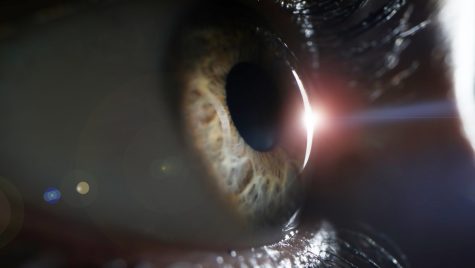
Research led by researchers at UW–Madison will leverage new ways of delivering drug therapies through nanotechnology with advanced genome CRISPR technology to innovate new treatments for two hereditary diseases that cause blindness.
The Wisconsin Institute for Discovery proudly announces the selection of Krishanu Saha, associate professor of biomedical engineering, as a recipient of the prestigious 2023 H.I. Romnes Faculty Fellowship.
Congratulations Jo Handelsman! The National Academy of Sciences was founded in 1863 as a result of an Act of Congress that was approved by Abraham Lincoln, the NAS is charged with "providing independent, objective advice to the nation on matters related to science and technology and provide scientific advice to the government 'whenever called upon' by any government department."
The Wisconsin Institute for Discovery (WID) is excited to announce the 2023 Cultivating Connections expo, to be held on April 12, 2023, from 2:00 - 5:30 pm at the Discovery Building. The expo will feature a panel discussion on the importance of diverse mentorship in STEM, a dance performance from the Kohler fellows program, and tours of the virtual reality space called the CAVE. The annual expo highlights the interdisciplinary research and collaborations at WID, spanning biotechnology, virtual reality environments, entrepreneurship, new antibiotics, data science, complex systems, precision medicine, emerging technologies, science policy, and art-science fusion. "We are thrilled to open [...]
Scientists worldwide are using authentic research experiences to engage college students in discovering new antibiotics. The Tiny Earth initiative, based at the Wisconsin Institute of Discovery, has already trained thousands of students in 30 countries. Congressionally Directed Community Project Funds will now provide $1 million to expand the program and reach even more students. This was part of the $1.7 trillion federal spending package that was signed into law by President Biden in December 2022.
Network of students, professors, researchers intertwine anti-racism curriculum, research to solve antibiotic resistance crisis
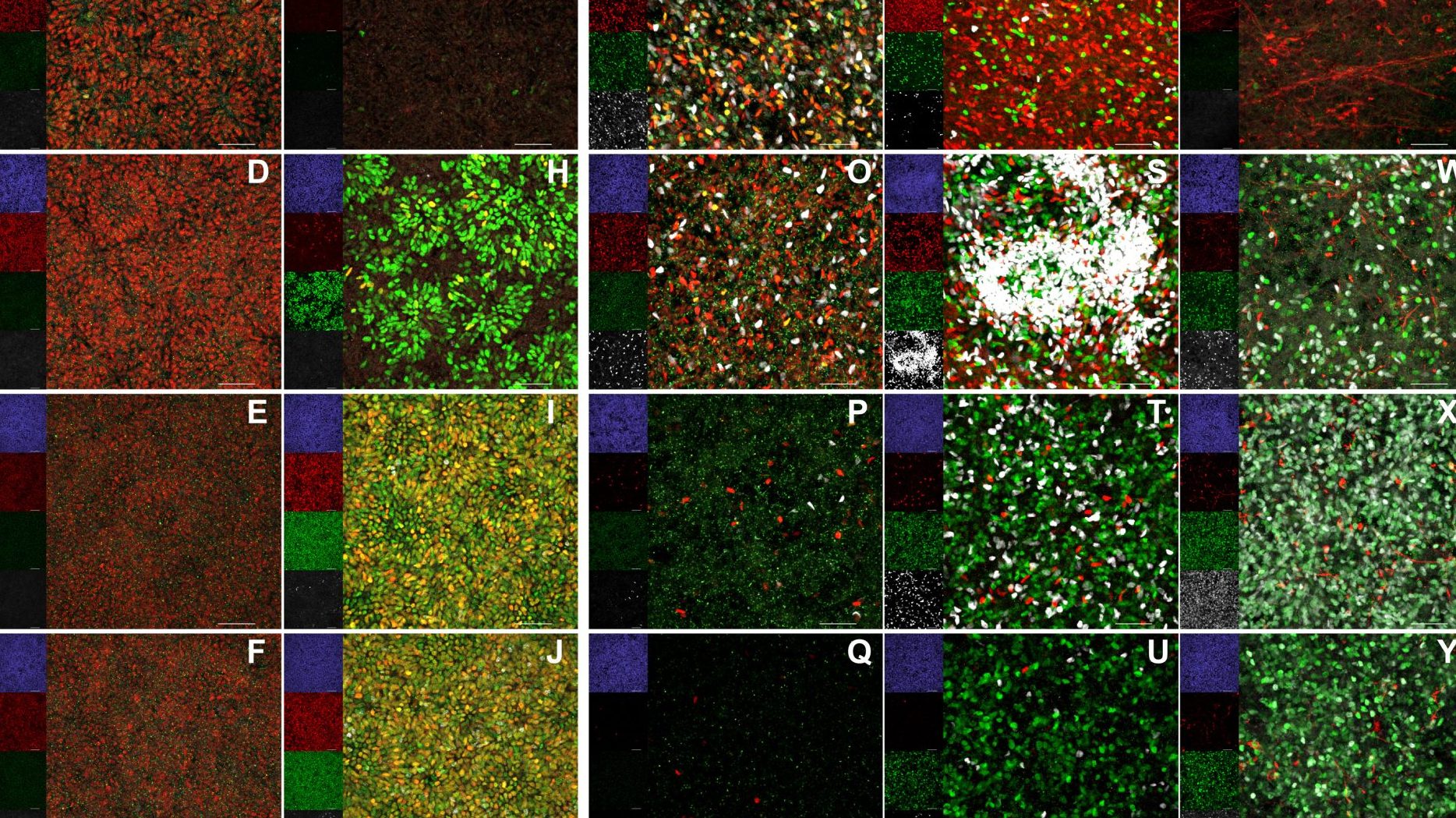
Researchers at the University of Wisconsin–Madison are developing the means to turn stem cells into a wide range of specific types of spinal cord neurons and cells in the hindbrain — the critical nexus between the spinal cord and the brain — paving the way for improved prevention and treatment of spinal cord disease.
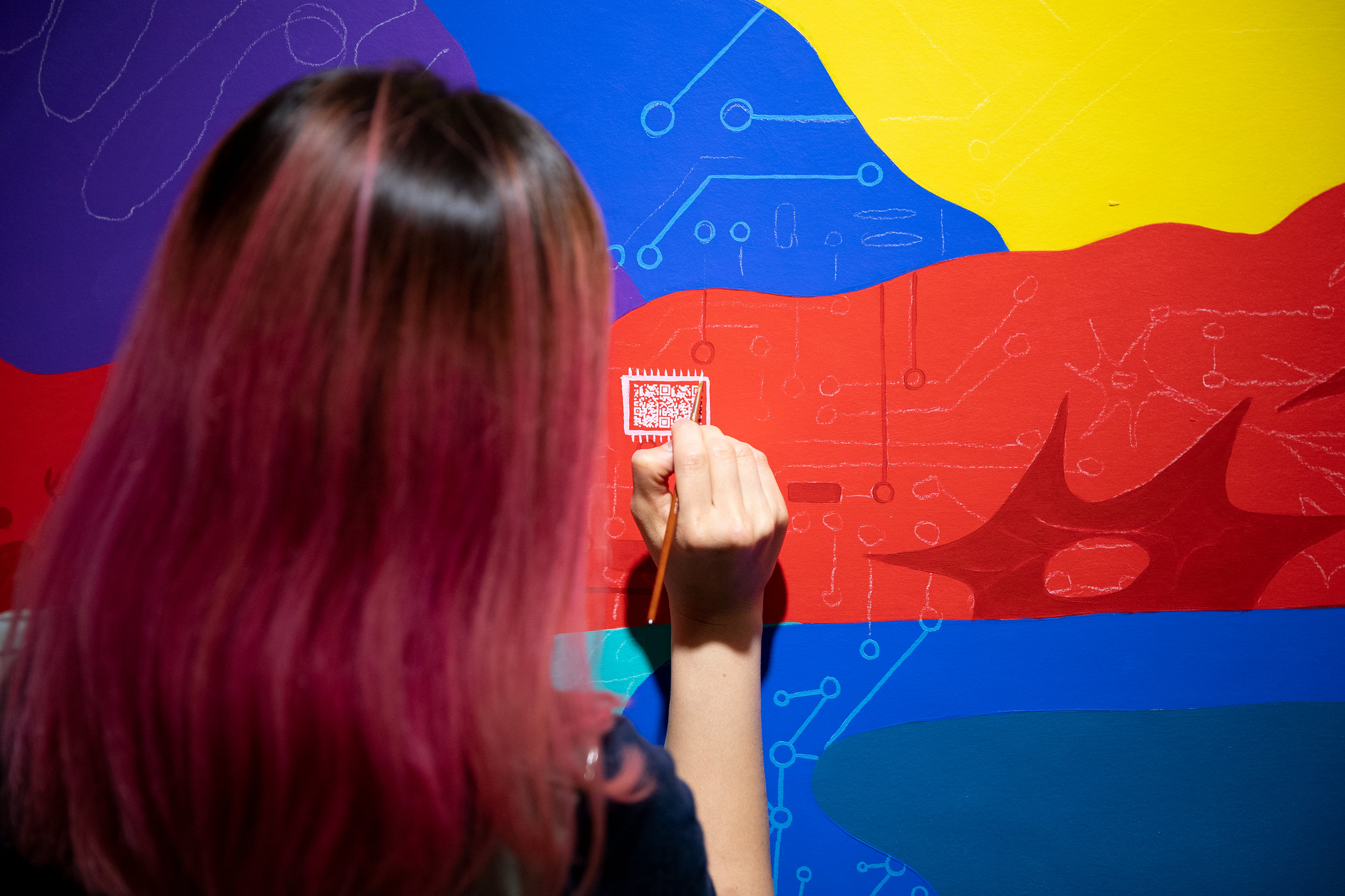
A multilayered mural painted in bold colors now hangs in the atrium of the Discovery Building, depicting the many facets of STEM research and inspiring new generations to engage in science. Painted QR codes make the mural interactive, drawing the viewer into the stories of renowned and lesser known Wisconsin scientists whose contributions have shaped society.New interactive mural invites exploration and engagement with science
Tiny Earth will collaborate with Codon Learning and the National Institute on Scientific Teaching (NIST) to develop, evaluate, and disseminate a Scientific Teaching Course (STC) that integrates AJEDI (antiracist, just, equitable, diverse, inclusive) principles. The Course is designed as four modules and will be available via Codon Learning’s interactive digital platform beginning summer 2023. Modules will also be incorporated into Tiny Earth Partner Instructor (TEPI) training in summer 2023 and 2024.
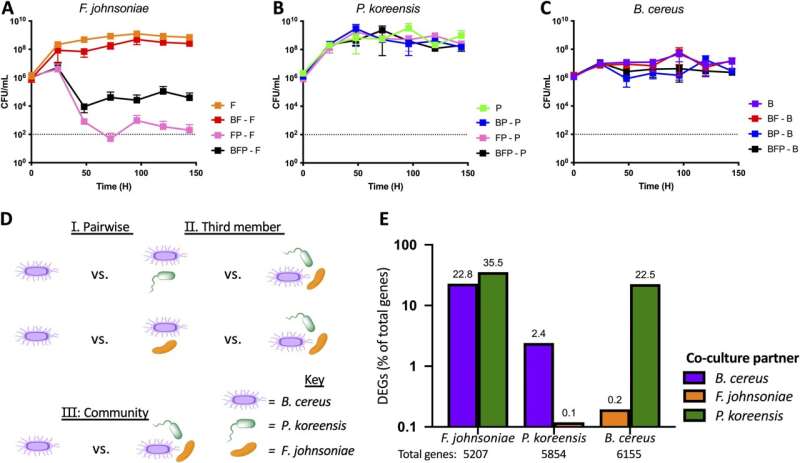
UW–Madison researchers from Handelsman Lab have learned that a drastically scaled-down model of a microbial community makes it possible to observe some of the complex interactions.
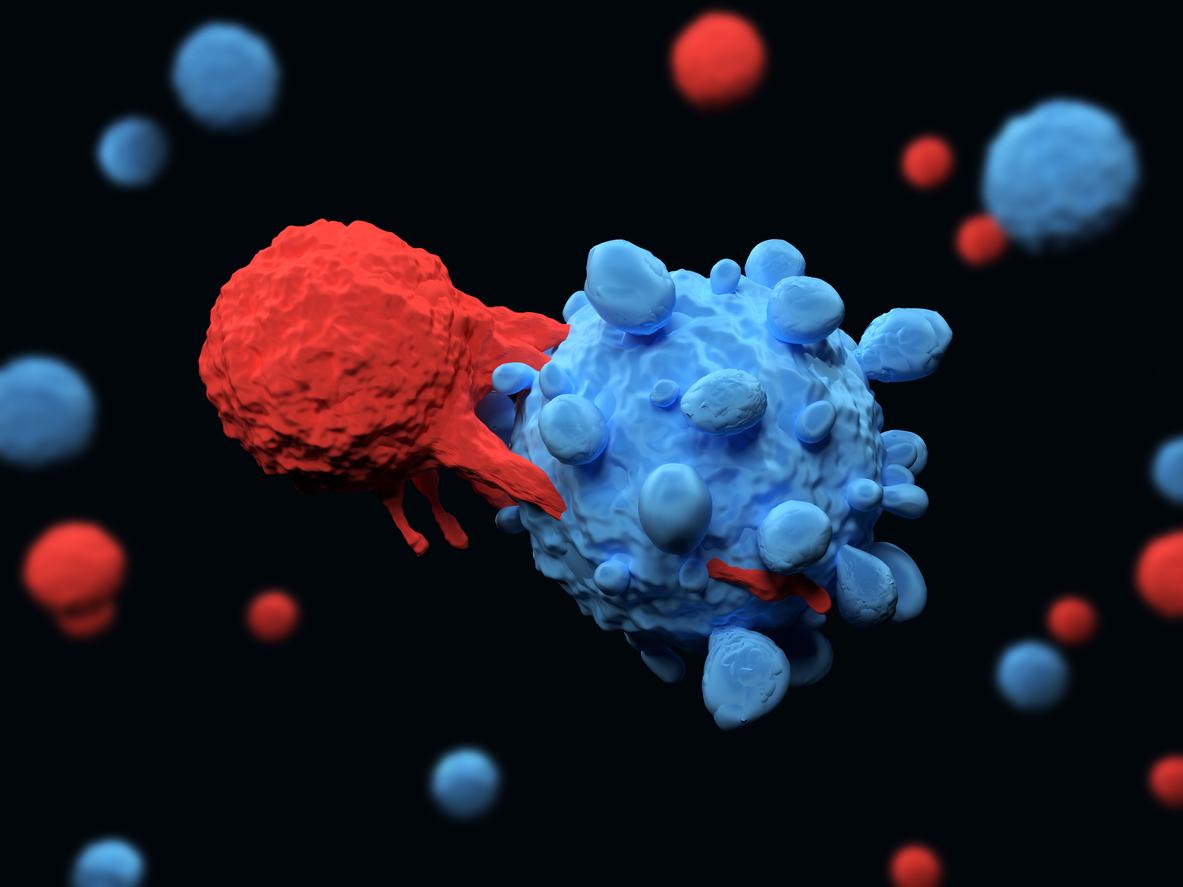
Dr. Krishanu Saha along with Dr. Christian Capitini, is working to produce CAR T cells that could deliver results in solid tumors, using gene editing rather than a viral method to manufacture them.
WID Announces WID100 Research Advancement and Student Conference Travel Grant Recipients. The Research Advancement Grant for $5,000 was awarded to the John Yin Lab for their innovative research. The WID100 Student Conference Travel Grant is funding $1000 each to four outstanding graduate students to travel to scientific meetings for the academic year 2022-23.
A perspective piece published on June 2 in Science from the Wisconsin Institute for Discovery (WID) suggests that outdated classroom teaching methods discourage members of historically excluded communities (HECs) from graduating with a degree in science. Lead author, Jo Handelsman states "Outdated classroom teaching models are discriminatory, ultimately, we need to stop trying to fix the students and instead focus on our classrooms."
In new research published today, UW–Madison WID researcher Shaoqin "Sarah" Gong, reported a new nanoparticle-based treatment for sepsis that delivers anti-inflammatory molecules and antibiotics.
The How Are You Feeling? is an exhibit created by Kohler Fellows Hong Huo and Kushin Mukherjee that examines the limits of verbal communication through animated imagery. It will be on display at Communication Madison from May 28-June 3, with the opening reception on May 28th from 3-8PM (masks required).
What do mystery, mayhem, and the Wisconsin Institute for Discovery have in common? The Writer-in-Residence Program, recently welcomed Kayla Cohen as a part of the Illuminating Discovery Hub at the Wisconsin Institute of Discovery. The residency is an opportunity for an up-and-coming writer to work among scientists while crafting a manuscript with scientific themes.
Erasing the Lines Between Science and Art: Kohler Fellows Cooperate to Bring Life As We Don’t Know It Exhibition to the Overture Galleries from May 3-August 28, with the opening reception on May 6th from 5-7PM.
Tiffany Harris and Aedan Gardill want people to know that science doesn’t have to be boring. The two students started working on the project in January as part of the Wisconsin Institute for Discovery’s Kohler fellowship. The program joins together graduate students in arts and science fields to create multidisciplinary projects. The two University of Wisconsin-Madison doctoral students completed their coloring book titled “Bacteria & Me” this month, hoping to pique audiences’ interest in learning about microbiology.
New exhibit from the Kohler Fellows at the Overture Center Galleries! Life As We Don’t Know It Opening Reception, Overture Center Playhouse Gallery, May 6 @ 5-7PM. Exhibit runs from May 3 - August 28, 2022.
Krishanu Saha and Melissa Skala have devised an innovative method for reprogramming cells that leverages micropatterning, label-free imaging and machine learning to enable real-time, noninvasive monitoring of reprogramming. This method can be used to develop cutting-edge personalized therapies and disease models.
The Wisconsin Institute for Discovery (WID) is hosting a ceramics exhibition, Equanimity: Meditation Through Ceramics from April 30 - May 19, 2022 with local artist Violet Wong.
While looking at a graph about fruit, it may seem intuitive to associate a bar of blue to blueberries and yellow to bananas, but are there connections between color and abstract concepts such as driving, comfort, efficiency, or reliability? Understanding how people absorb meaning from visual features, and predicting the meaning they attribute to color in any context is filled with possibility.
Claudia Solís-Lemus' has been awarded a coveted five-year research grant from the National Science Foundation’s Faculty Early Career Development (CAREER) Award. Solís-Lemus’ NSF grant will support her research, which combines statistical theory and biology to help understand how the biodiversity that we see on Earth evolved from single-cell organisms.
In a new study, the John Denu lab has learned that the fatty acids butyrate and propionate also activate p300, a crucial human enzyme that promotes the unspooling of DNA. This unwound DNA allows more genes to become active and expressed, which ultimately affects human health.
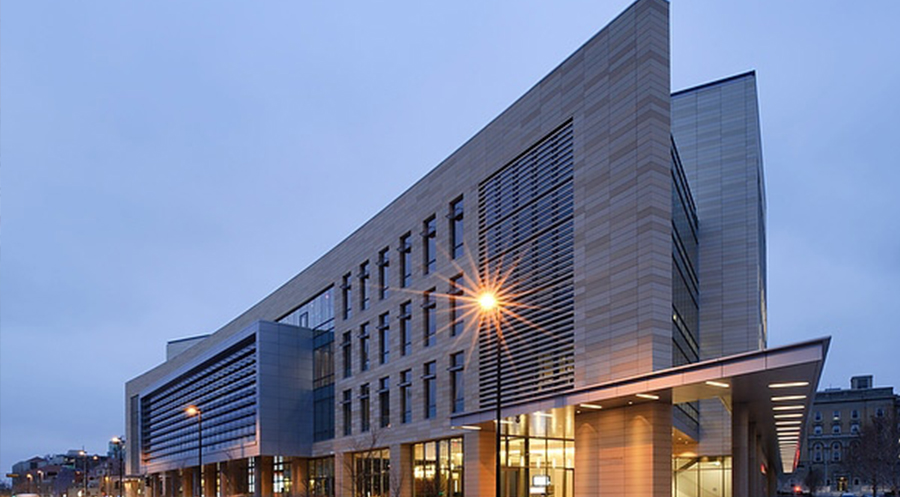
Discovery Building
330 N. Orchard Street
Madison, WI 53715
1.608.316.4339
Space and events rental:
DiscoveryEvents@discovery.wisc.edu
608.316.4534
Feedback, questions or accessibility issues: media@wid.wisc.edu Privacy Notice | © 2026 | Board of Regents of the University of Wisconsin System